ITSA BERTSY – ART MATTERS.
ITSA BERTSY
ART MATTERS.
ARTIST STATEMENT ANCHOR
ITSA BERTSY | ABOUT
ITSA BERTSY doesn’t chase trends or trick the eye.
He explores what we already know — clouds, holy figures, flowers —and turns them into images that stay with us.
You’ve seen these subjects before — in museums, on postcards. But maybe not in this scale. Not in this clarity.
Not with the quieting confidence that says:
you don’t need to shock in order to be serious.
ITSA BERTSY’S ’s work is about permission.
Permission to feel something.
Permission to hang something beautiful.
Permission to trust your taste —
Even if it’s soft, even if it’s kitschy, even if it’s not ironic.
The question is:
If museums can hang Jeff Koons’ balloon dogs and ballerinas without irony — why can’t we also hang work that feels sincere, without shame?
Why can’t “I love this” be reason enough?
WHEN ART MOVES YOU, IT MATTERS.
The Familiar, Reassembled.
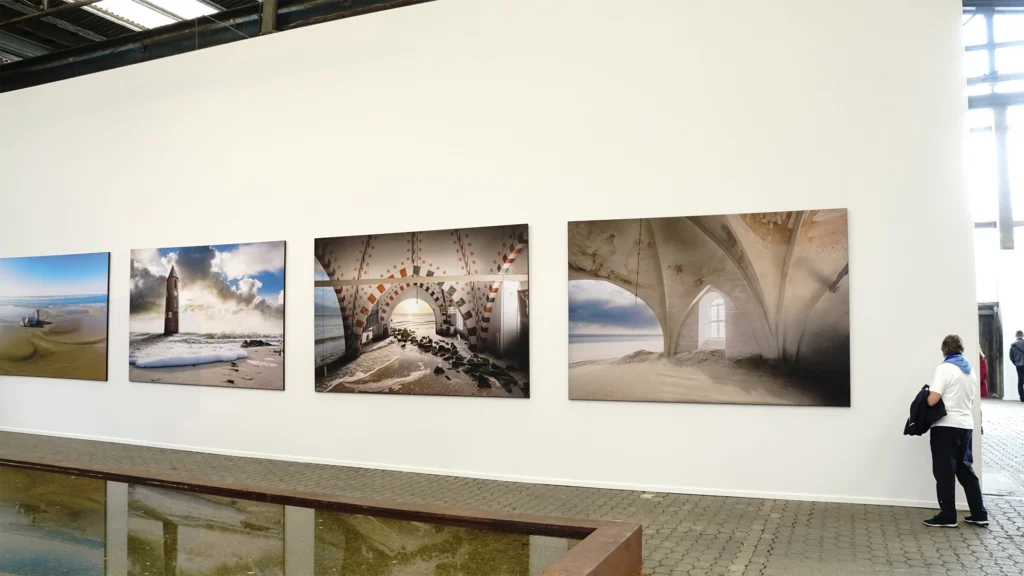
ITSA BERTSY’s works begin where memory persists: skyscapes, museum relics, and studies of nature rendered with clarity. Each image shifts a room’s atmosphere, resonates with archetypes, and opens a quiet dialogue with the present and future
They reward repeated looking, are neither nostalgic nor romantic, and are never replicas. These are reconstructions — precise, intentional, and disarmingly present.
His cinematography-trained eye shapes every frame: light, mood, composition and narration are instinctive.
Every image is precisely crafted and sharpened to atmospherically transform.
No shock tactics. No theoretical bla-blas.
In a time when irony is many artists’ default critical shield,
he does not reject beauty — he reactivates it.
In doing so, BERTSY risks something rarer: emotional clarity.
His works align with art history, and speak with a unique voice about present-day urgencies.
Even floral still lifes break cliché: no romance in a vase, but everyday reality — flowers behind storefront glass. Layers of reflection bring fresh views, creating heightened realism that feels ahead of its time.
The works resonate with present-day hopes and desires.
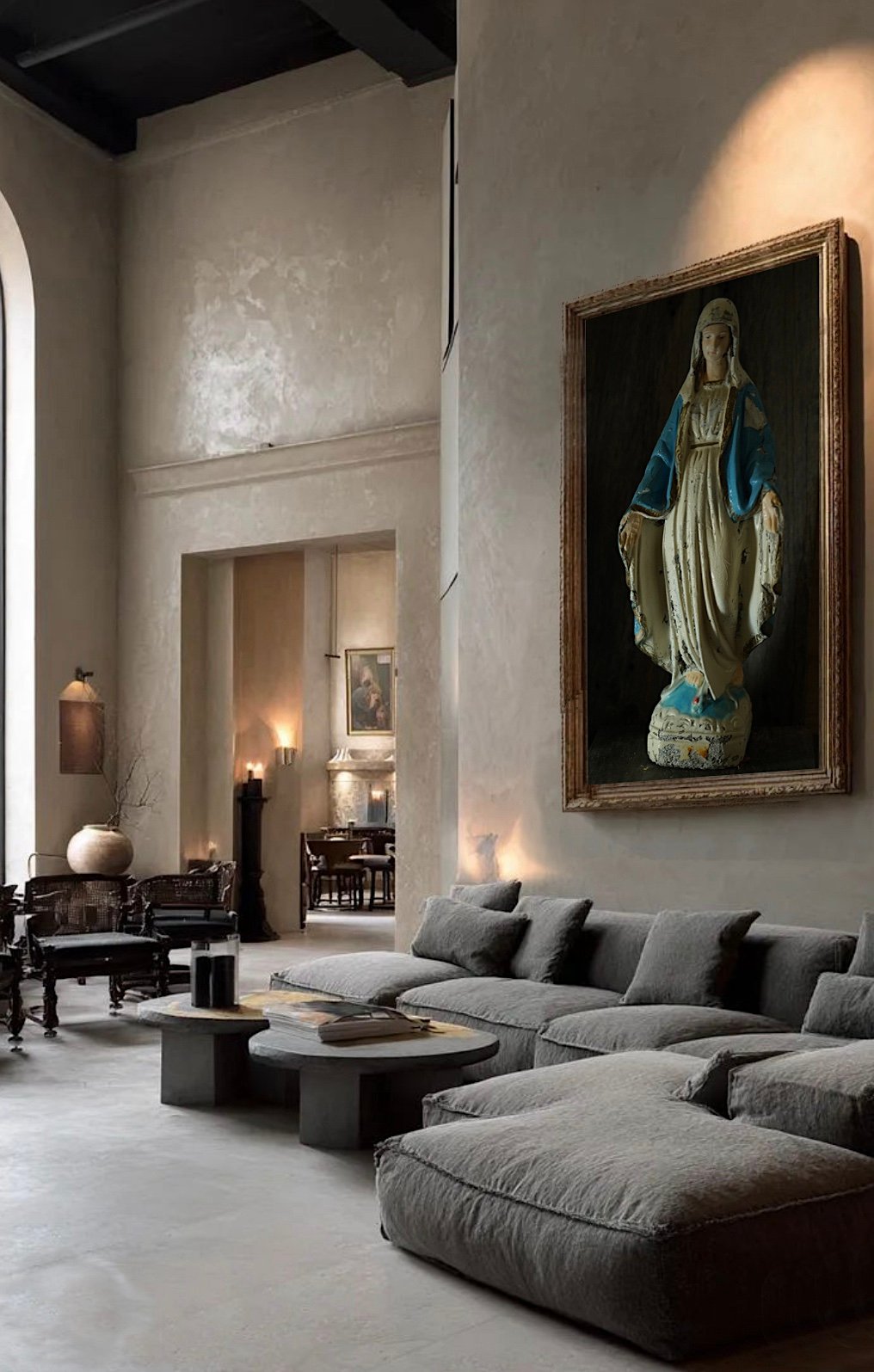
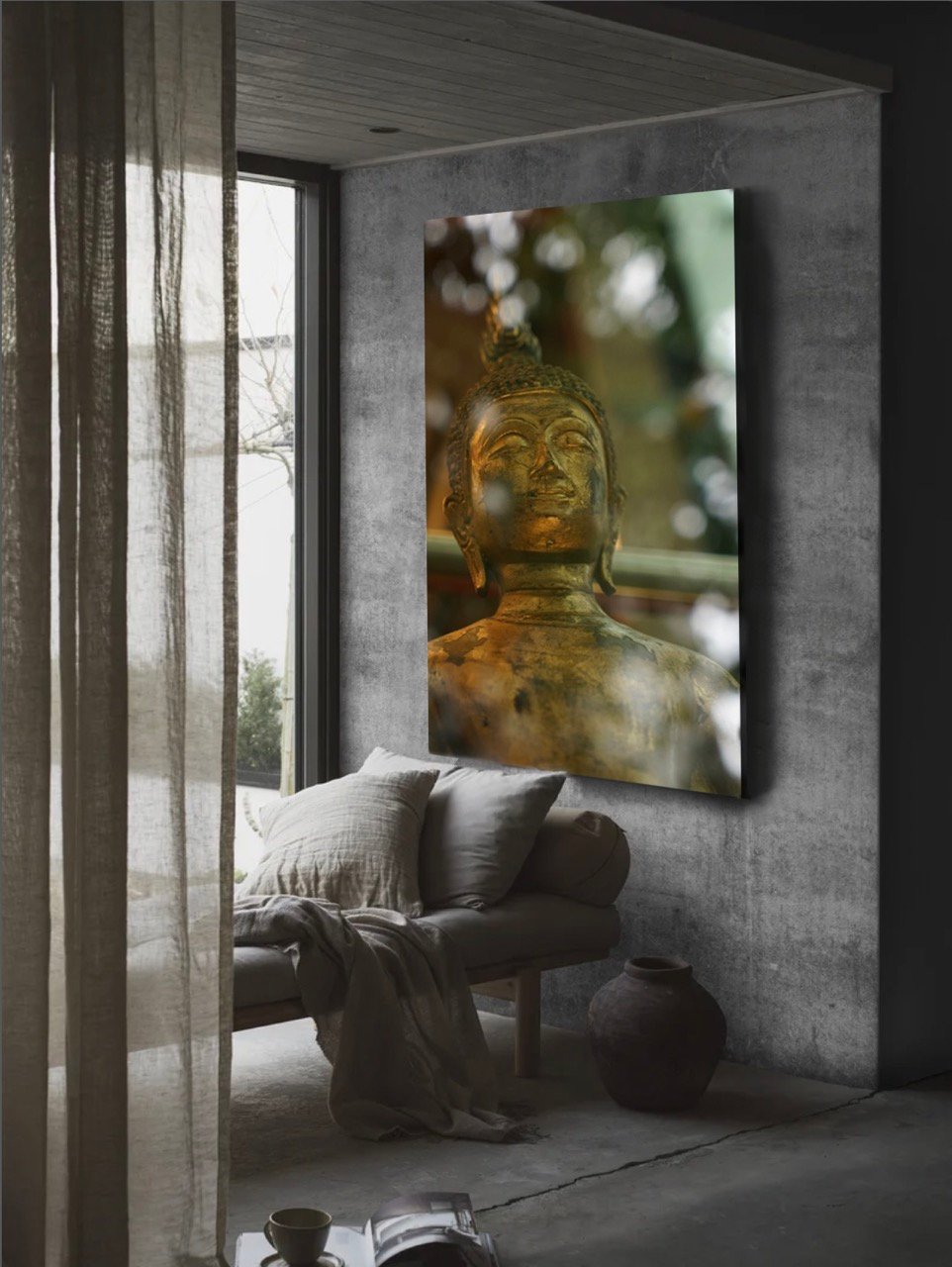
Large-format religious relics honor human spiritual significance. Bertsy’s results shift the feeling of a room—
they give it presence and purpose.
His approach to street art moves the genre forward.
No slick gallery imitations for our walls: he captures raw urban fragments before they vanish.
Cracked paint, surface tension, and textures directly from
the city walls. He frames what others overlook —
t’s not about ornaments, but about atmosphere.
An atmosphere that smells of street spirit.
BERTSY focuses on creating atmospheres — it’s not about what you see, but how you see it.
A perfect setting that brings the viewer’s story into focus.
Each image carries presence. Quiet, lasting, alive.
Over time, they begin to speak — in silence, in memory and visions, in the language of your home.
This is not decoration, but resonance that feels right.
ITSA BERTSY encourages: if museums can celebrate Koons’ ballerina without irony, why can’t we collect and celebrate monumental kitsch on our walls? Collectors don’t just hang these works — they claim them. They give themselves permission to live with art that moves them.
For curators, CCC offers what’s increasingly rare: art that doesn’t demand — but endures;
art that doesn’t explain — but deepens;
art that doesn’t perform — but transforms.
These aren’t just images — they’re propositions.
“Bertsy” — a nickname from my art student days. Now, when a collector points to one of my pieces and says, “It’s a Bertsy,” it just fits.”
CYCLE-1 ANCHOR
CYCLE 1
SPI-RITUALS
These works do not preach. They do not ask for belief.
They offer something quieter: presence.
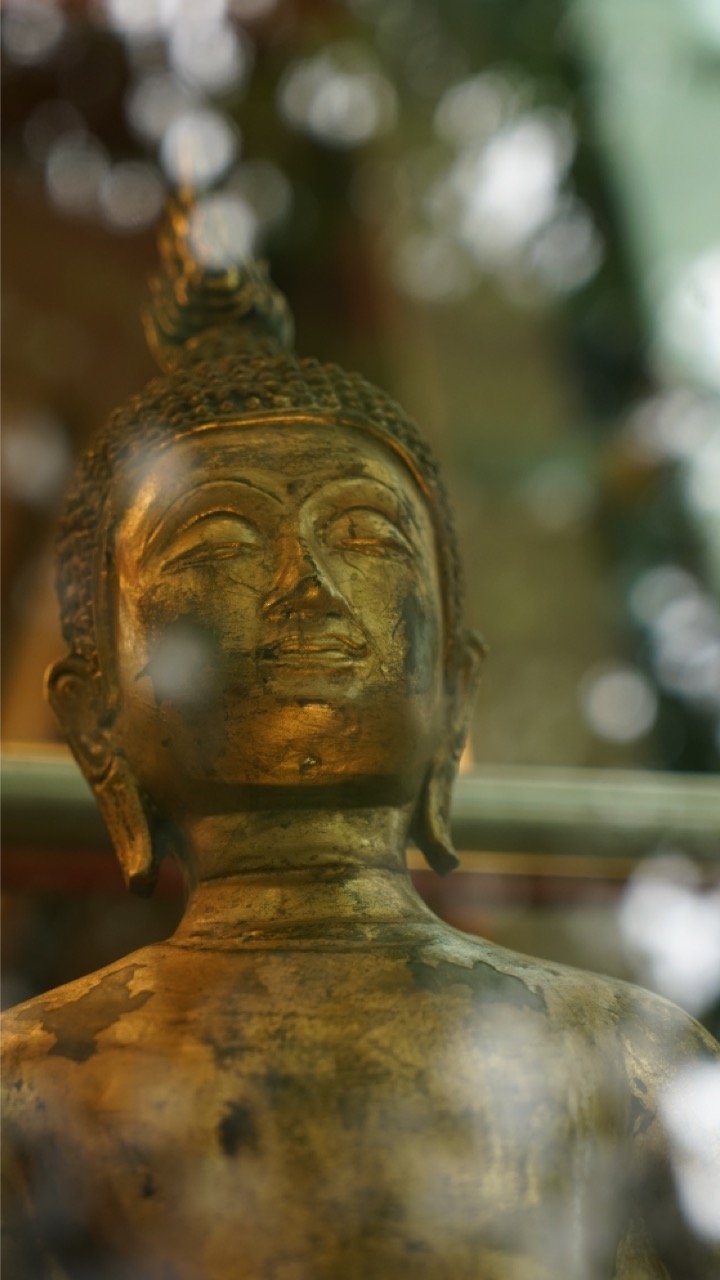
A saint in plaster, a Buddha in the mist, a fading cross.
Once, faith lived in every room. Today, many live without doctrine — and yet the impulse to address something beyond oneself remains.
Printed large, these figures take up real space. On a collector’s wall they are not decorative.
They hold the room. They anchor it.
They are not icons to be literally worshipped.
They are witnesses. They listen.
For some, they carry devotion. For others — perhaps more — they become companions in a different way: forms we can speak to when no new symbols exist. They do not respond in words. Or perhaps they do — quietly, indirectly. A murmur returning. An answer that will feel soothing and assuring.
The need for grounding never leaves us; here it just
changes shape. This is not nostalgia. It is recognition.
Each becomes a private altar of memory and meaning.
A Buddha in the garden.
A Madonna on a shelf.
A blurry saintly figure in bright light.
Not doctrine, but dignity.
Not instruction, but quiet guardianship and stewardship.
An invitation to prayer — with or without doctrine.
A way back — to something steady, and perhaps to oneself.
A still point in the swirl of days.
An anchor.
The Familiar, Reassembled.
These images don’t seek belief. They offer witness — to memory, to presence, to a kind of quiet constancy we may not have realized we missed.Many of us grew up seeing these figures in daily life — on bedside tables, in stairwells, tucked into corners of our grandparents’ homes.
They were once everywhere. Today, they’ve slipped away. Taken down. Forgotten. Replaced by noise, by glass, by empty space. But the need they served — that remains.
In moments of uncertainty, we look for grounding.
These images — sunbleached, worn, imperfect — offer it.
They don’t speak, but listen. They don’t instruct, but hold.
They create a place to meet yourself. To bring your inner life into focus, without the pressure of response.They are quiet invitations. To reflect. To open a most intimate inner dialogue — to speak to your deepest sorrows, your quiet hopes, your unvoiced questions.
These figures listen. They help carry what weighs on you. In their silent attention, they offer space, not solutions — but often, that’s how clarity comes.
Itsa Bertsy does not present these works as religious objects. They’re not meant to convert. Instead, they’re enlarged gestures of presence — intimate figures scaled to take up real, visible space again.
Their imperfections are part of their power.
They remind us that belief doesn’t need to be formal. That devotion can be quiet. That private ritual, once common, still has meaning.To collect one is not to take on a faith.
It is to make room. These works— only aquirable for collectors and institutions as large-format, unique prints — reposition the forgotten into the visible.
They let reflection live again, not behind glass, but in your line of sight.They’re not loud. They’re not urgent. But they are still here. Still watching. Still waiting.
240901012308
Holy Holy
2024
Inkjet print on fineart canvas.
UNIQUE 115cm X 200cm
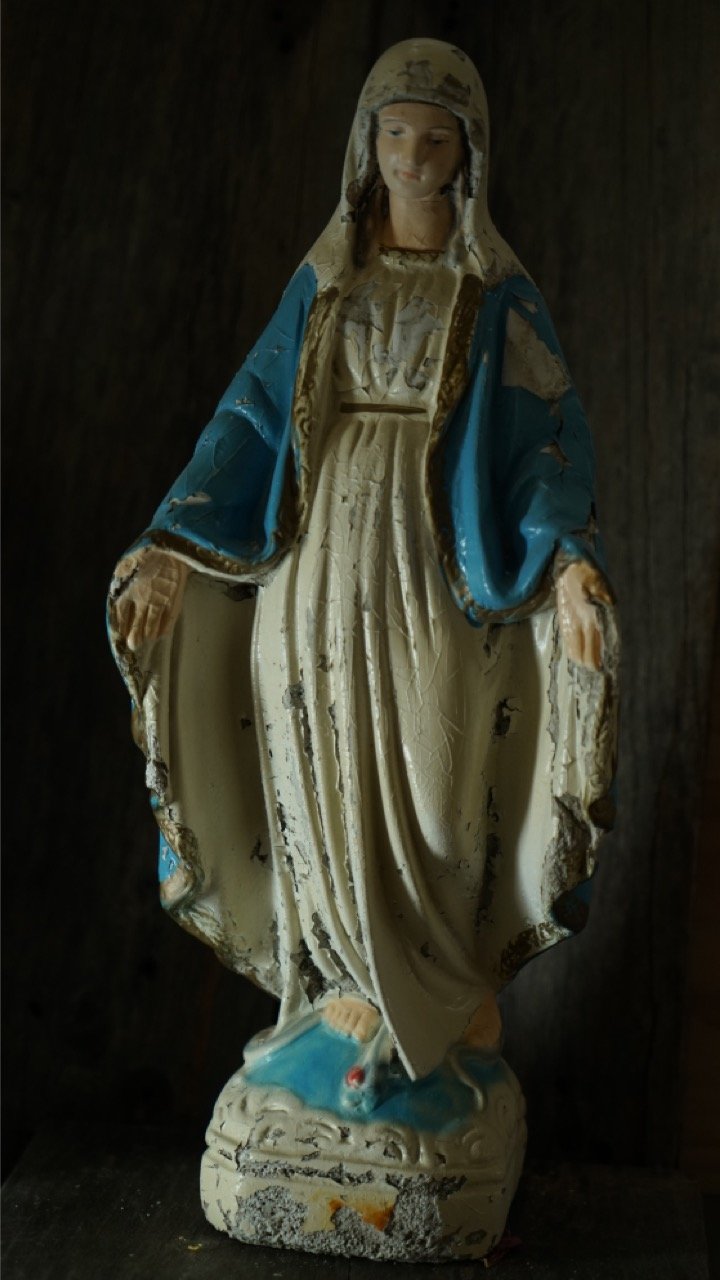
240804016366
Madonna 1
2024
Inkjet print on fineart canvas.
UNIQUE 115cm X 200cm

240806015808
Always around
2024
Inkjet print on fineart canvas.
UNIQUE 115cm X 200cm
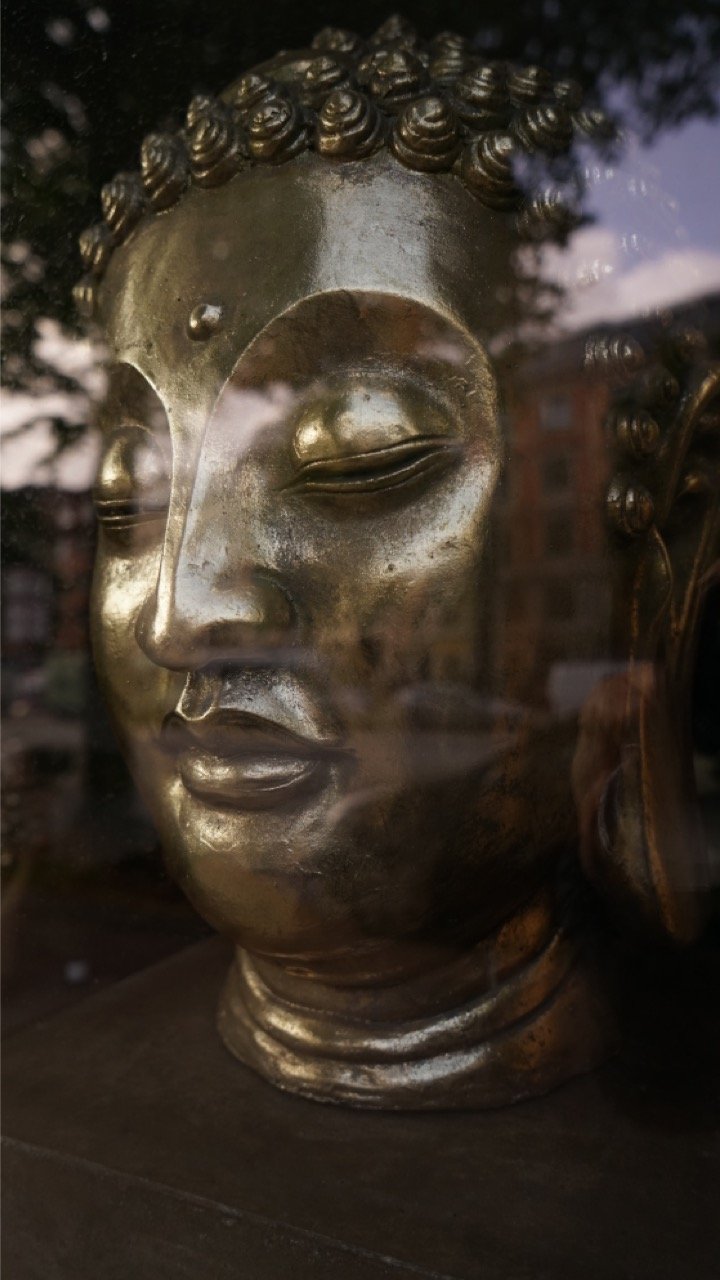
240901014054
Gautama Buddha
2024
Inkjet print on fineart canvas.
UNIQUE 115cm X 200cm
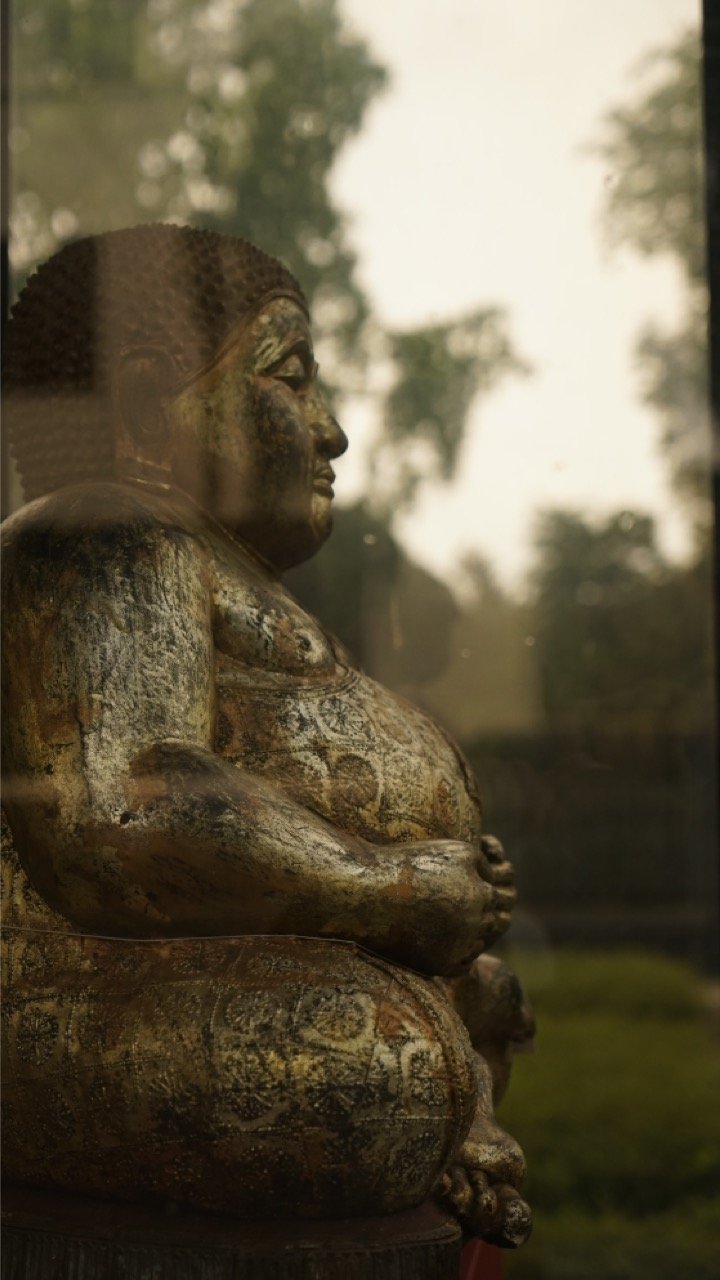
240806015961
Buddha of Wealth & Good Luck
2024
Inkjet print on fineart canvas.
UNIQUE 115cm X 200cm
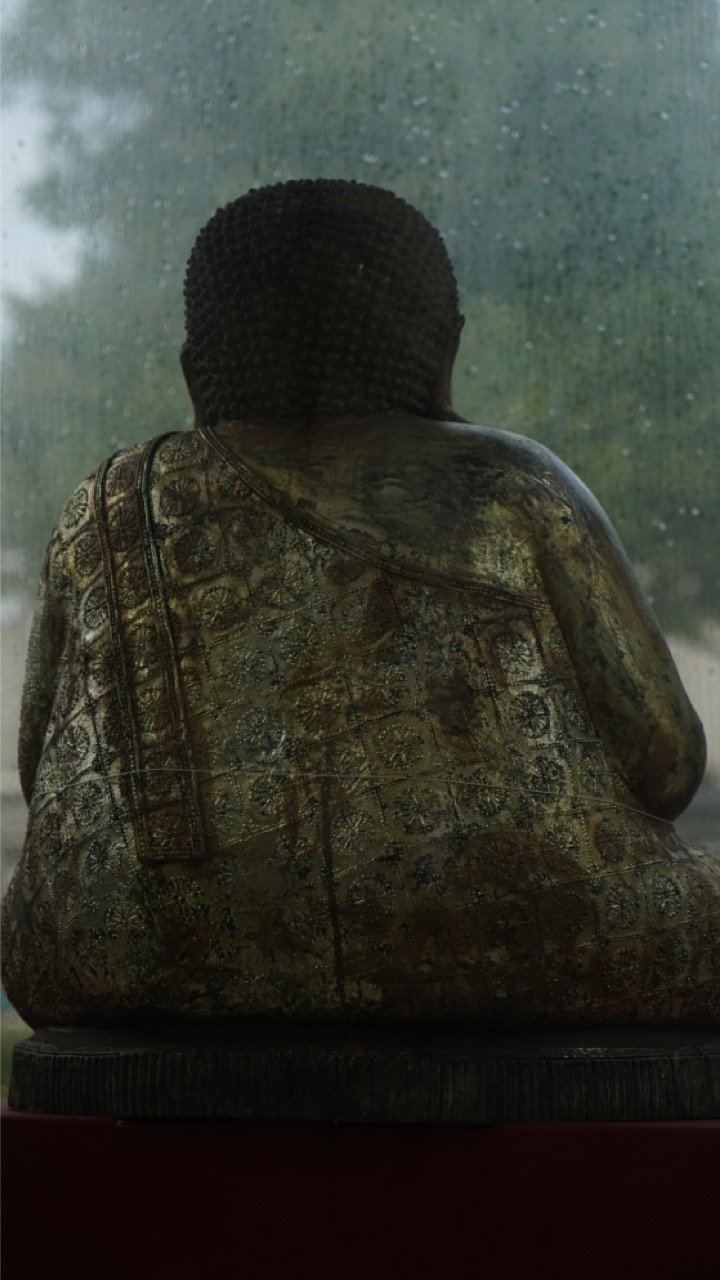
240806015936
Buddha of Wealth
2024
Inkjet print on fineart canvas.
UNIQUE 115cm X 200cm
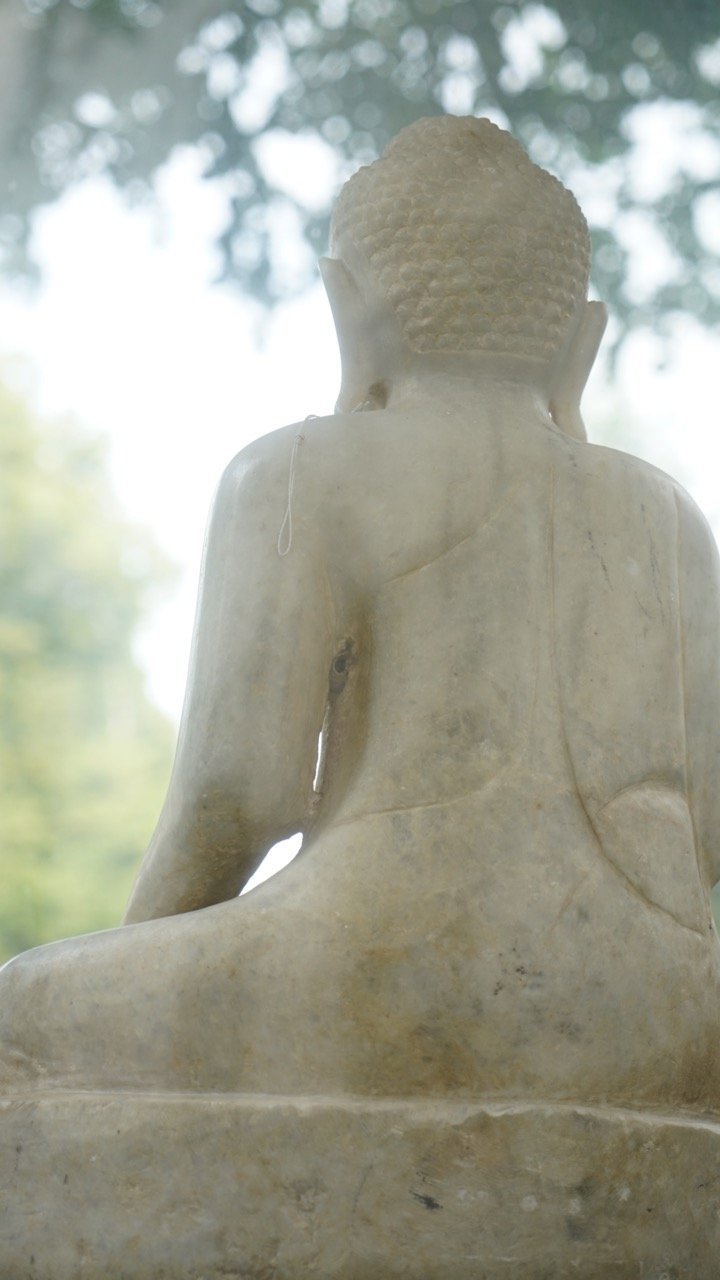
240806015912
Wisdom & Spiritual insight.
2024
Inkjet print on fineart canvas.
UNIQUE 115cm X 200cm
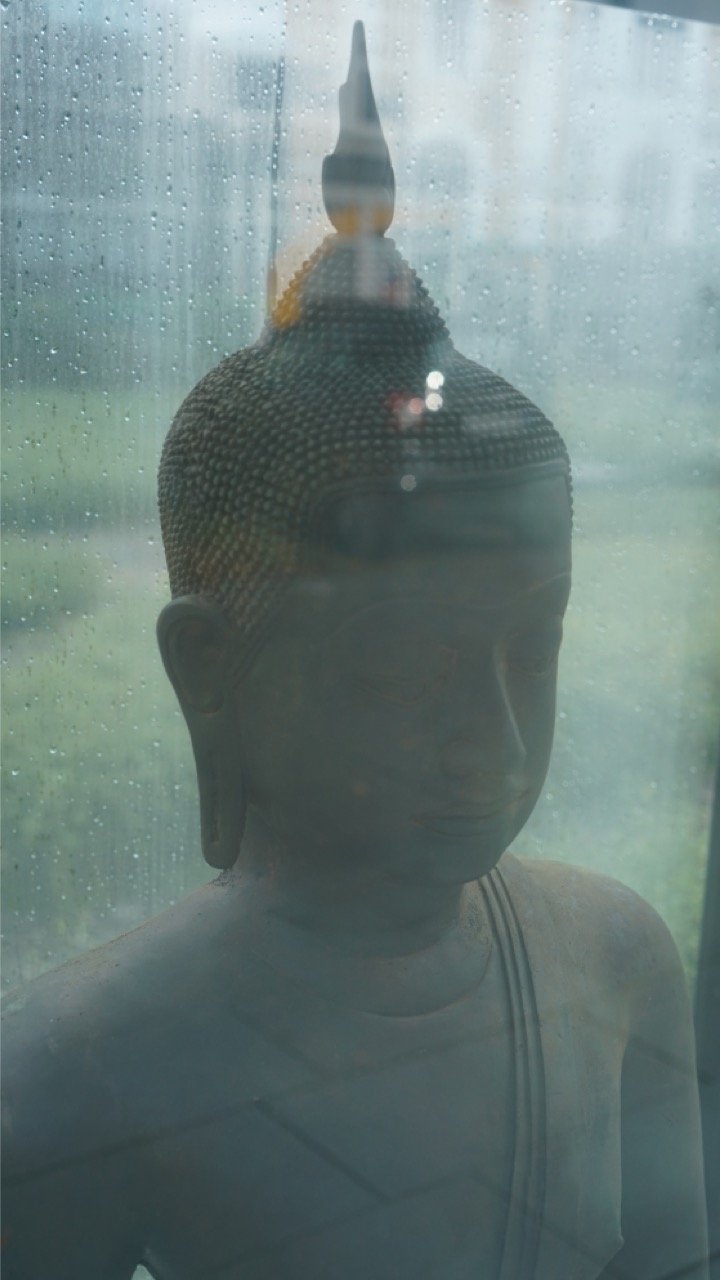
240806015809
Gautama Buddha In The Mist
2024
Inkjet print on fineart canvas.
UNIQUE 115cm X 200cm

241201010593
Shine Bright me Lord
2024
Inkjet print on fineart canvas.
UNIQUE 115cm X 200cm
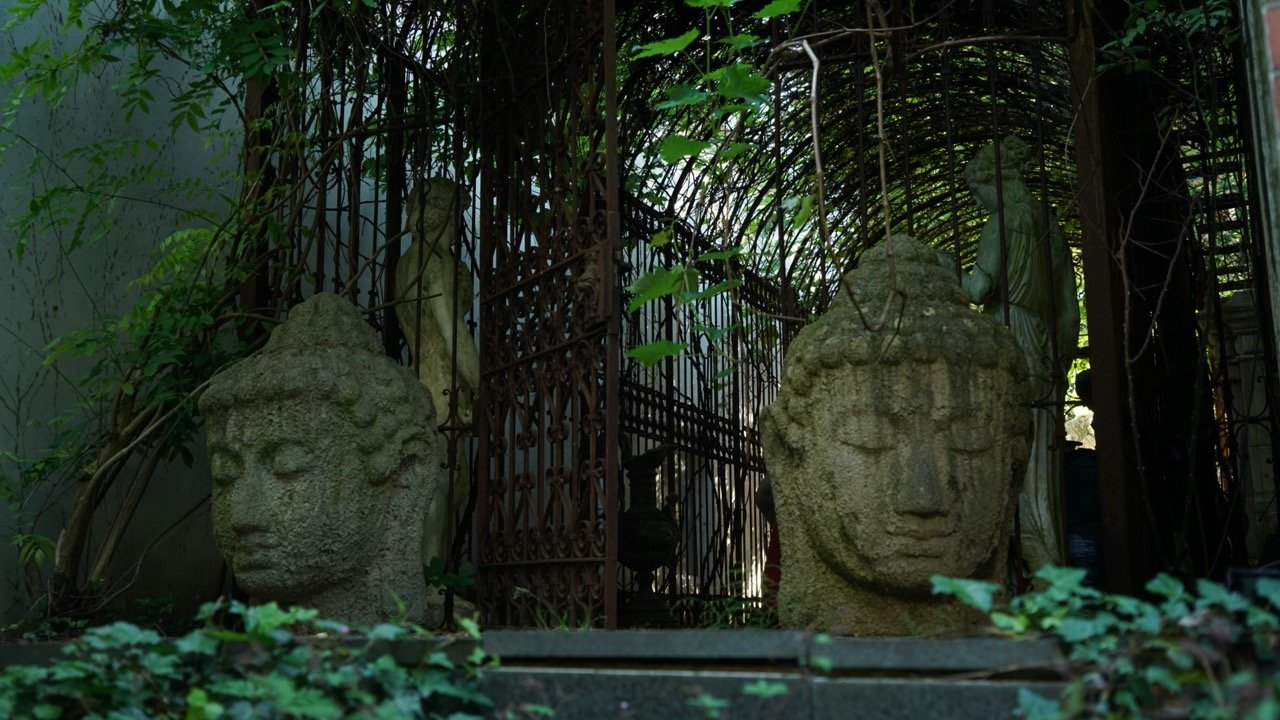
240801011575
The Monastry Of Calmness.
2024
Inkjet print on fineart canvas.
UNIQUE 115cm X 200cm
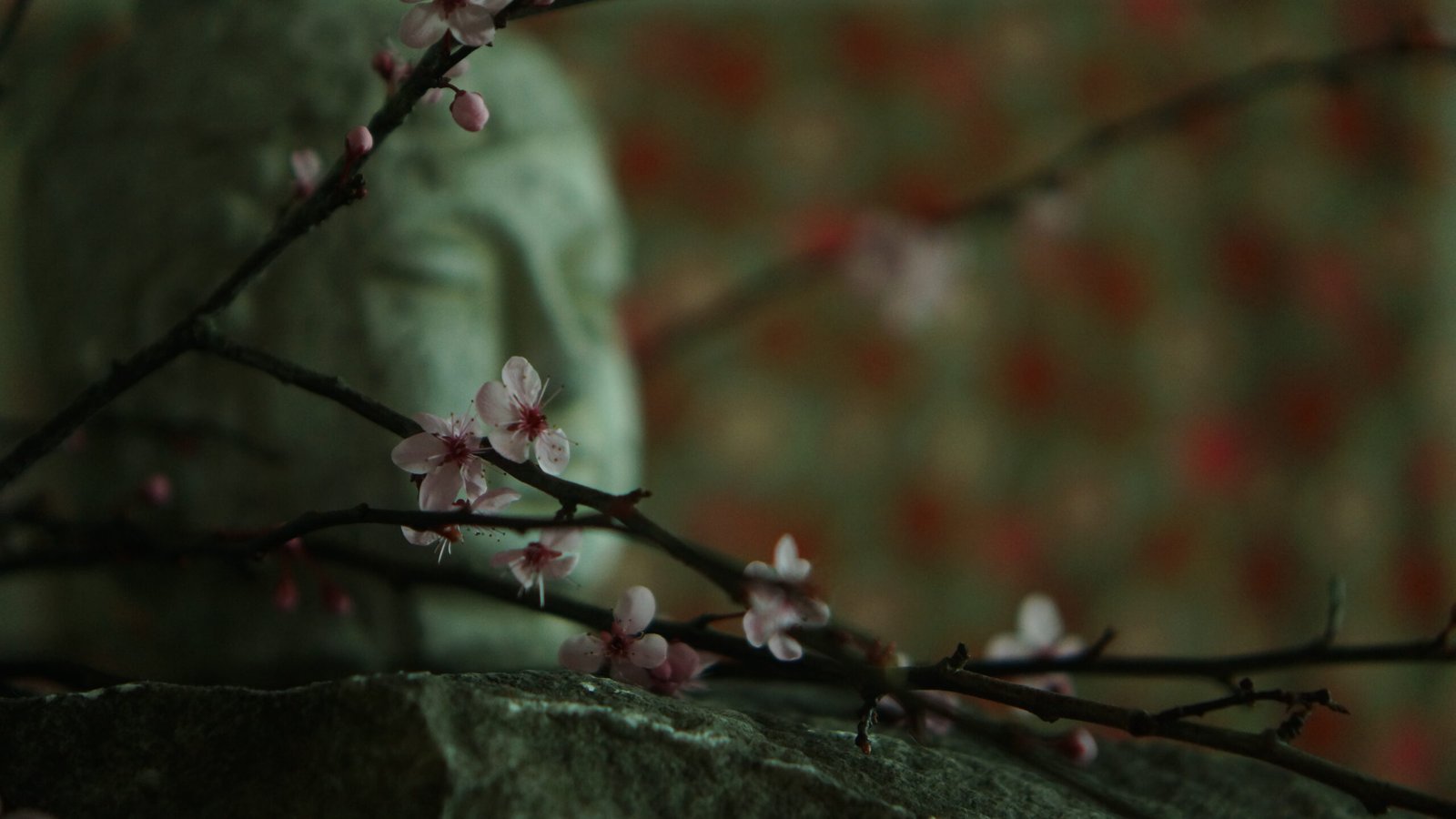
160202011213
Blossoming Spirit
2024
Inkjet print on fineart canvas.
UNIQUE 115cm X 200cm
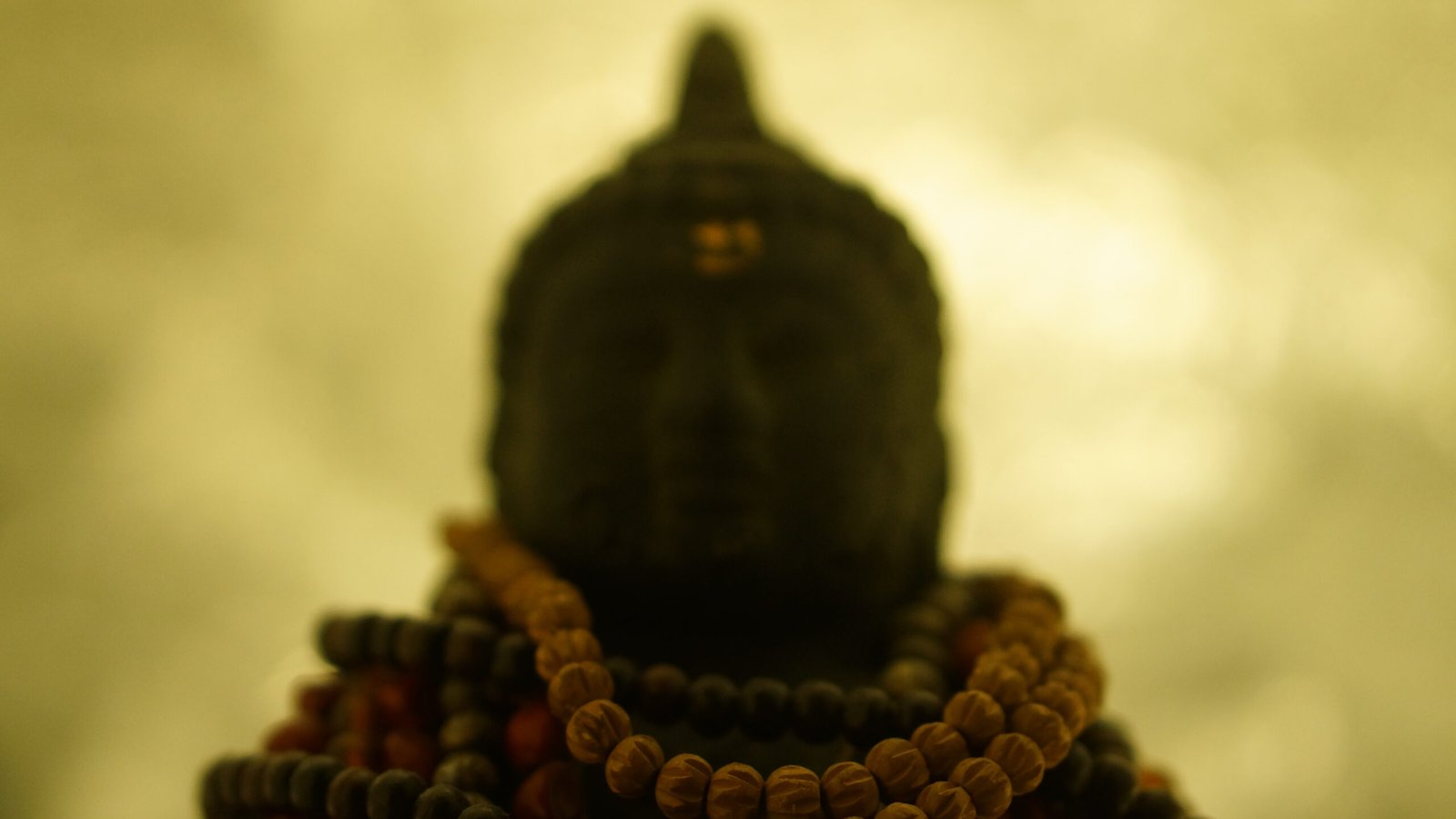
160202010969
Holy Spirit Portrait
2024
Inkjet print on fineart canvas.
UNIQUE 115cm X 200cm
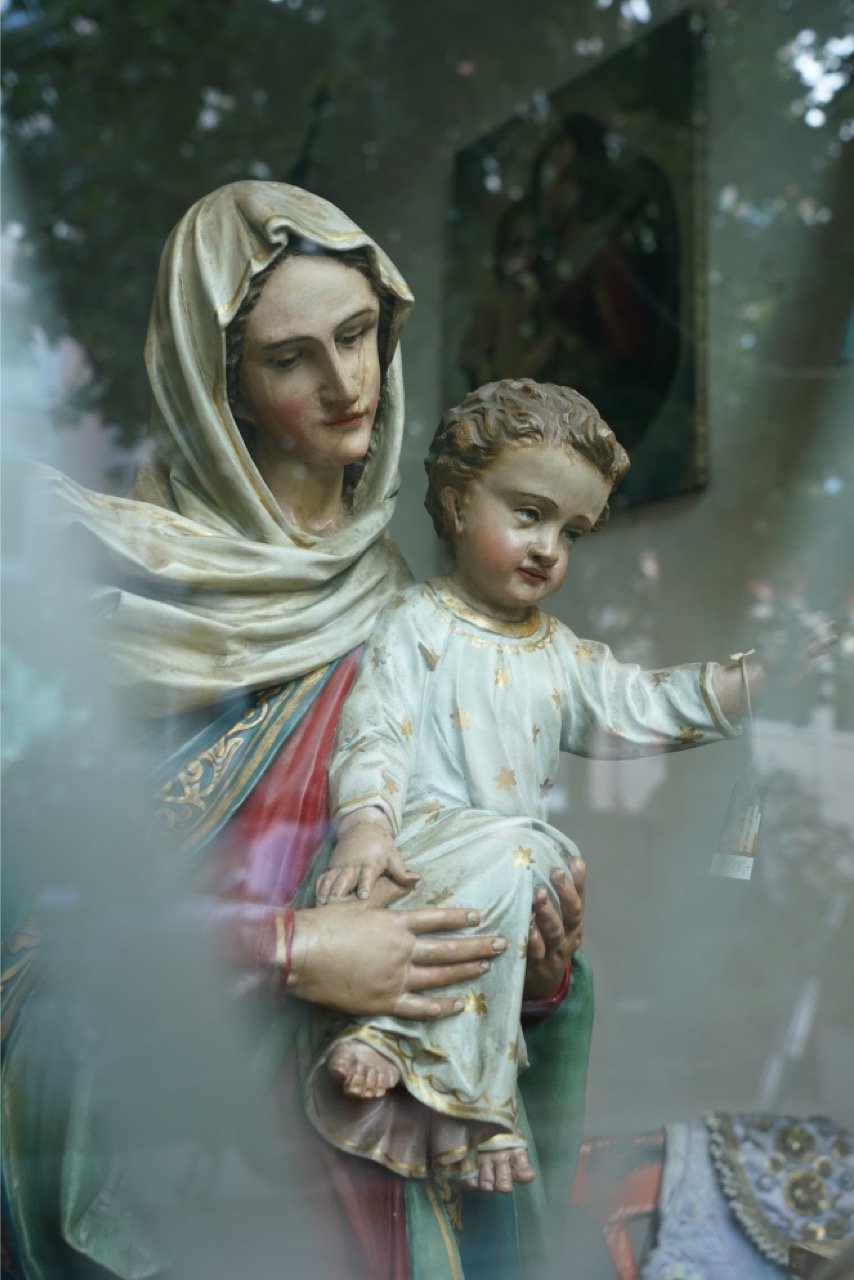
240902014530
Baby Jesus , Mother Mary
Inkjet print on fineart canvas.
UNIQUE 115cm X 200cm
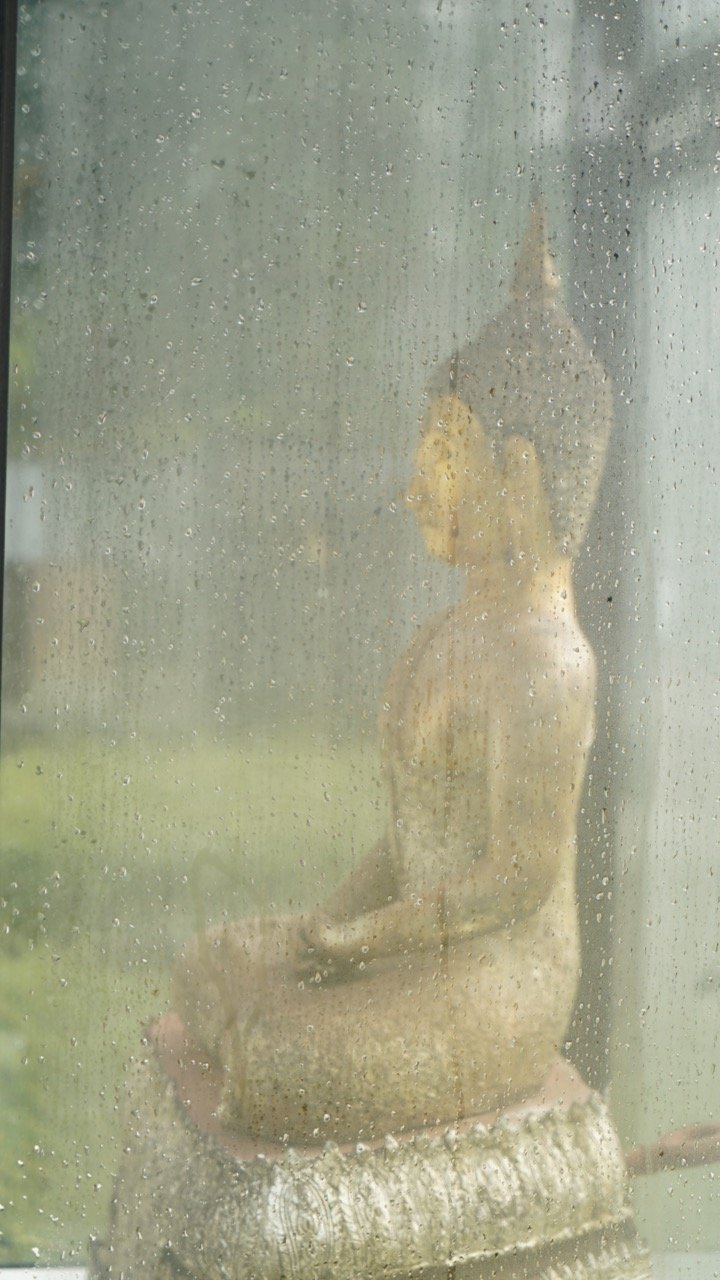
240806015827
Shakyamuni
2024
Inkjet print on fineart canvas.
UNIQUE 115cm X 200cm
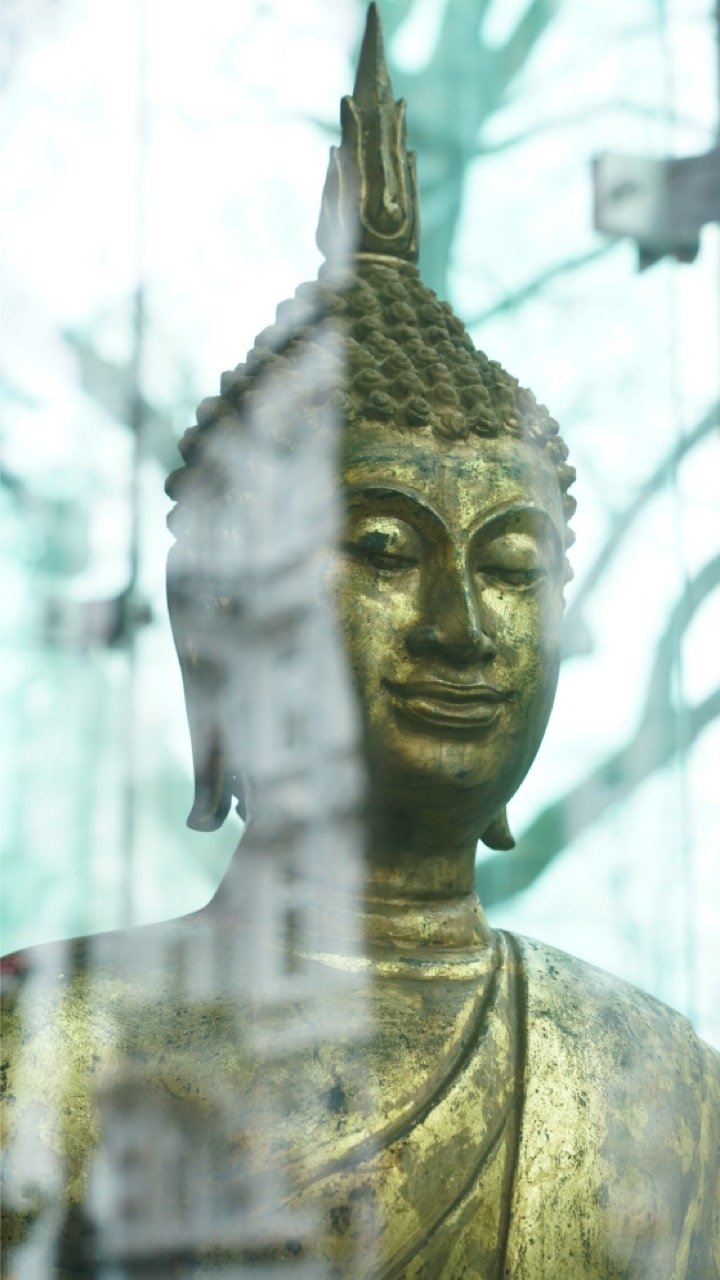
241201010257
Enlighted Buddha
2024
Inkjet print on fineart canvas.
UNIQUE 115cm X 200cm
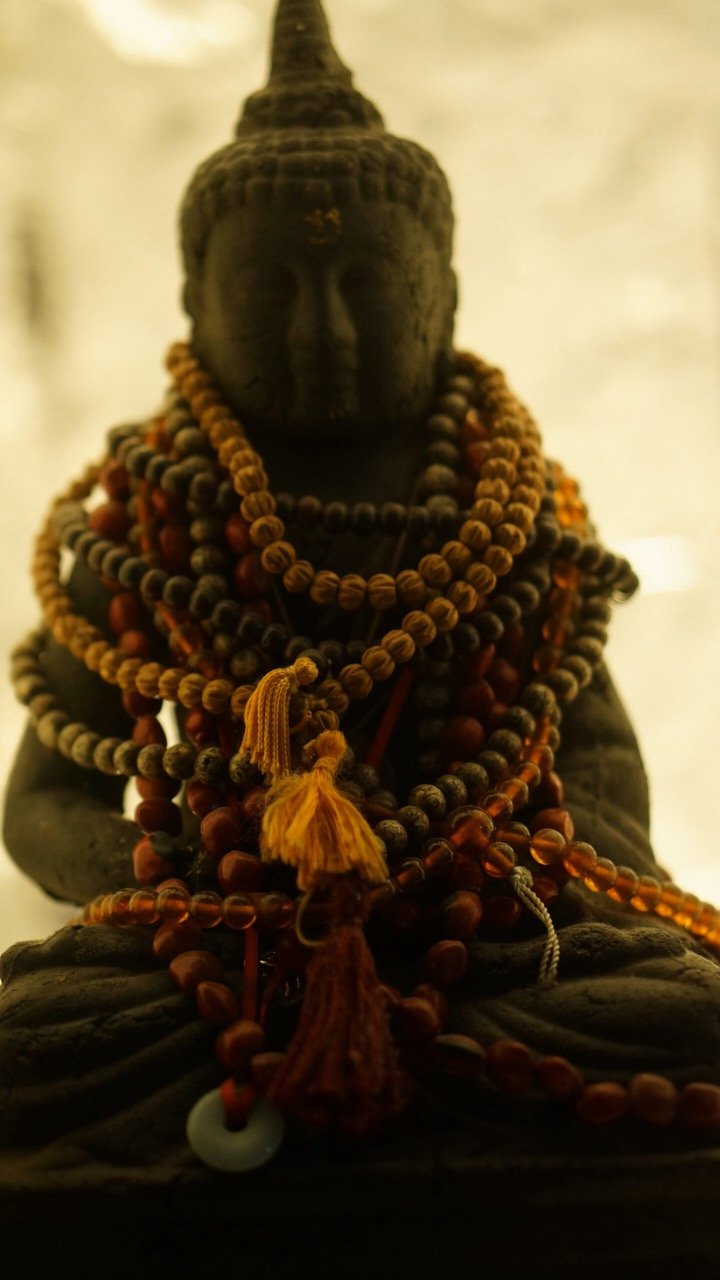
160202010951
Holy Spirit 2
2016
Inkjet print on fineart canvas.
UNIQUE 115cm X 200cm
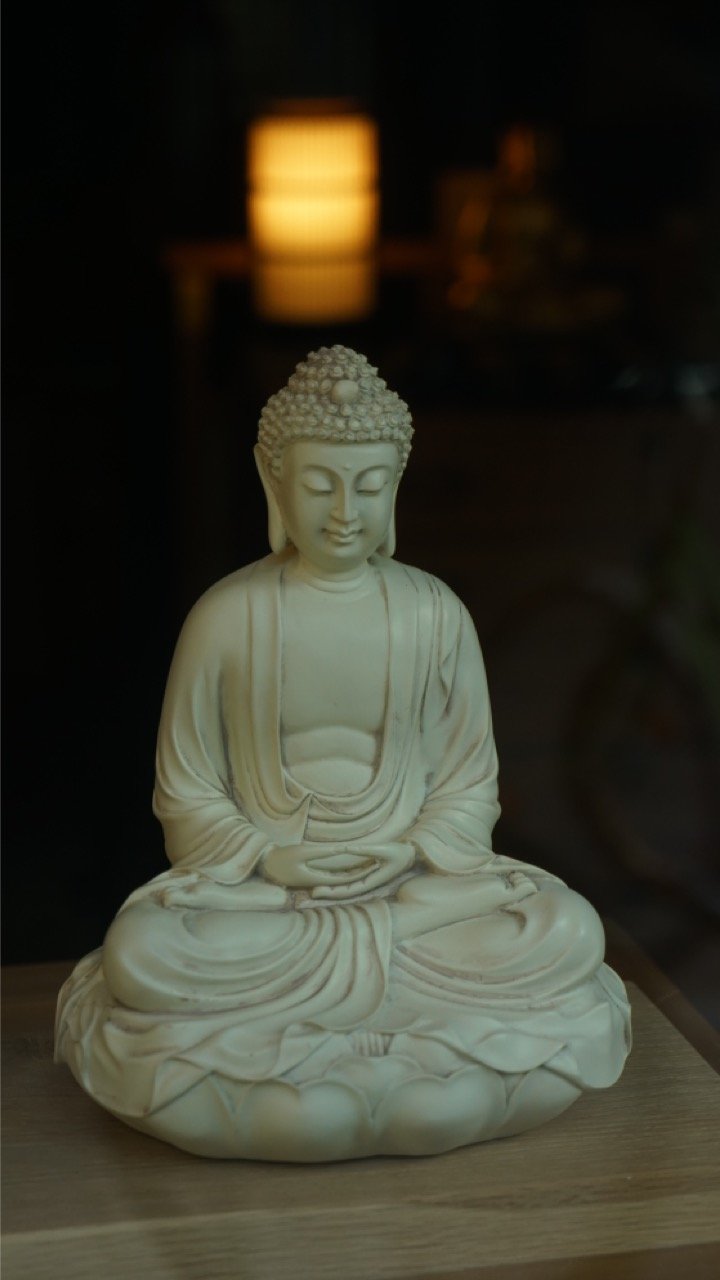
240806015375
Maitreya (the Future Buddha)
2024
Inkjet print on fineart canvas.
UNIQUE 115cm X 200cm
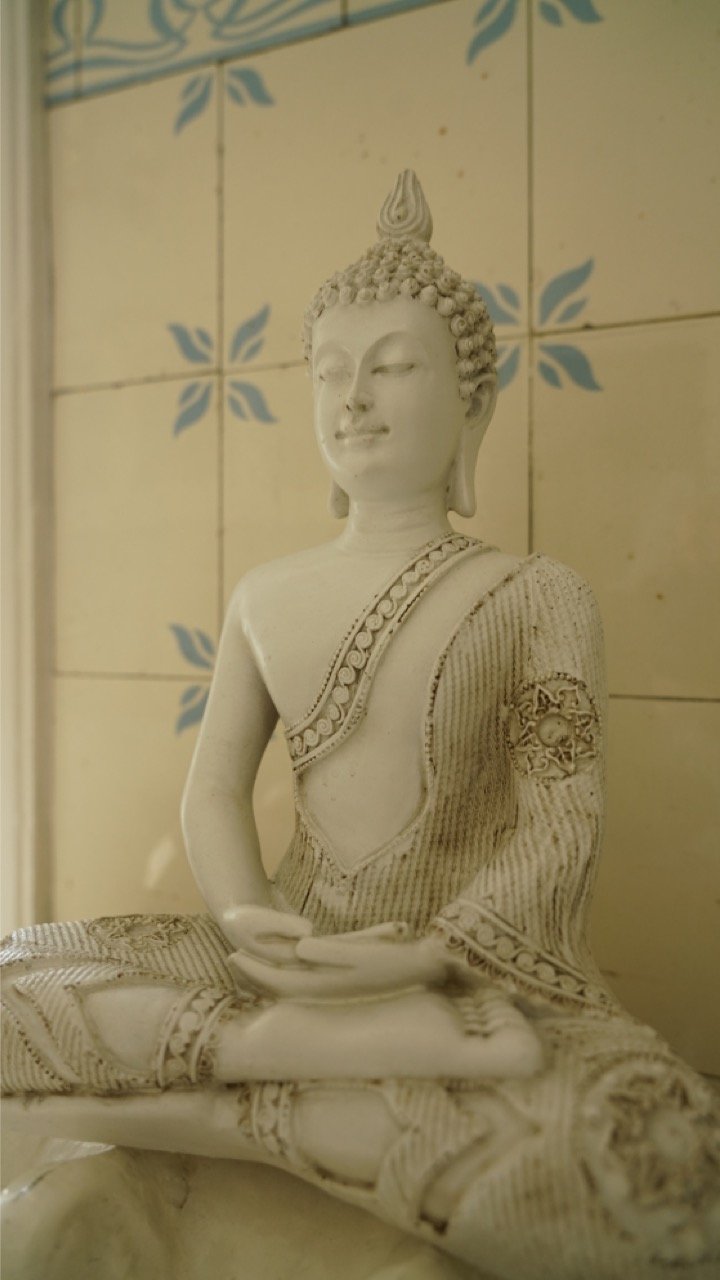
250201017887
Young and enlighted
2024
Inkjet print on fineart canvas.
UNIQUE 115cm X 200cm
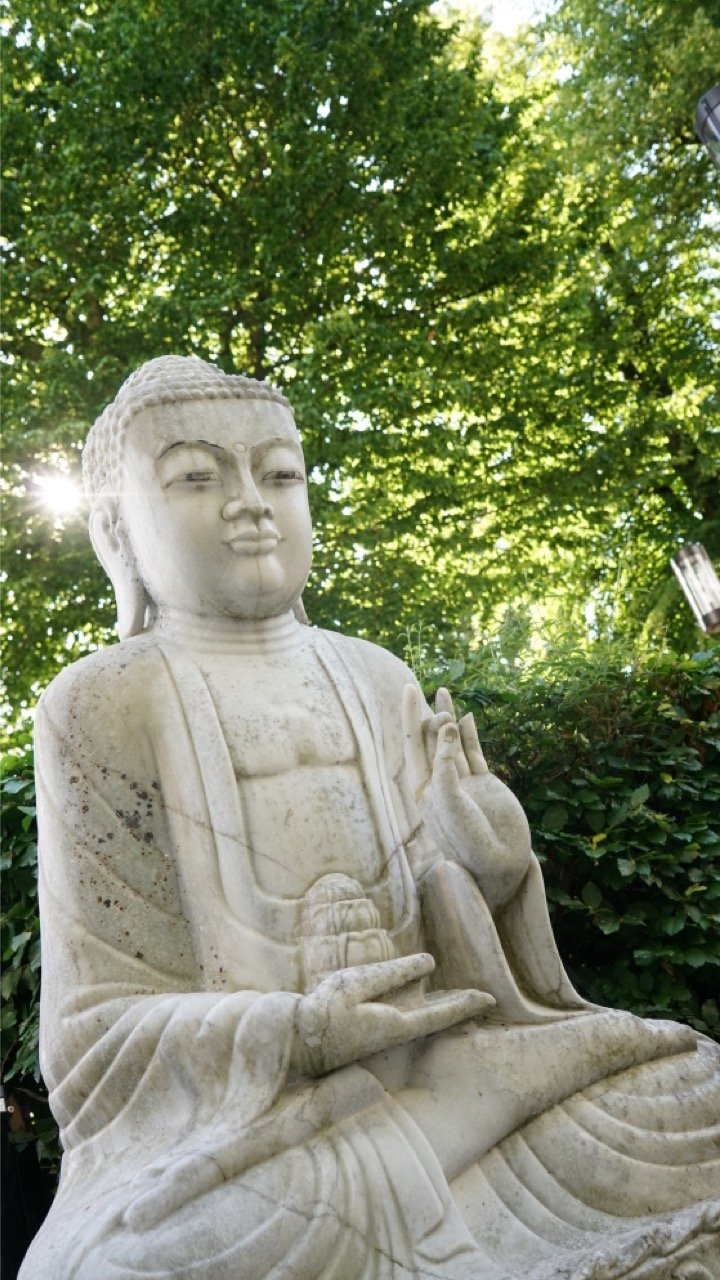
240806019759
Blessed Light.
2024
Inkjet print on fineart canvas.
UNIQUE 115cm X 200cm
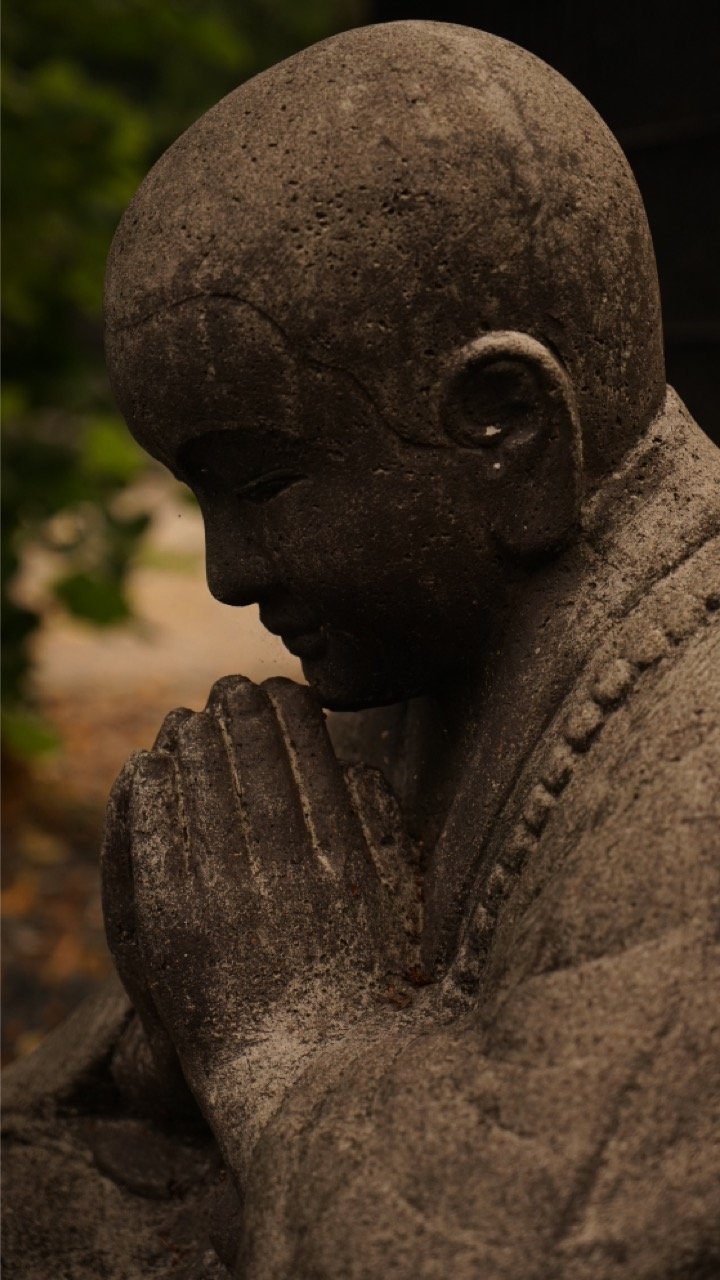
240806016278
Monk boy in prayers
2024
Inkjet print on fineart canvas.
UNIQUE 115cm X 200cm
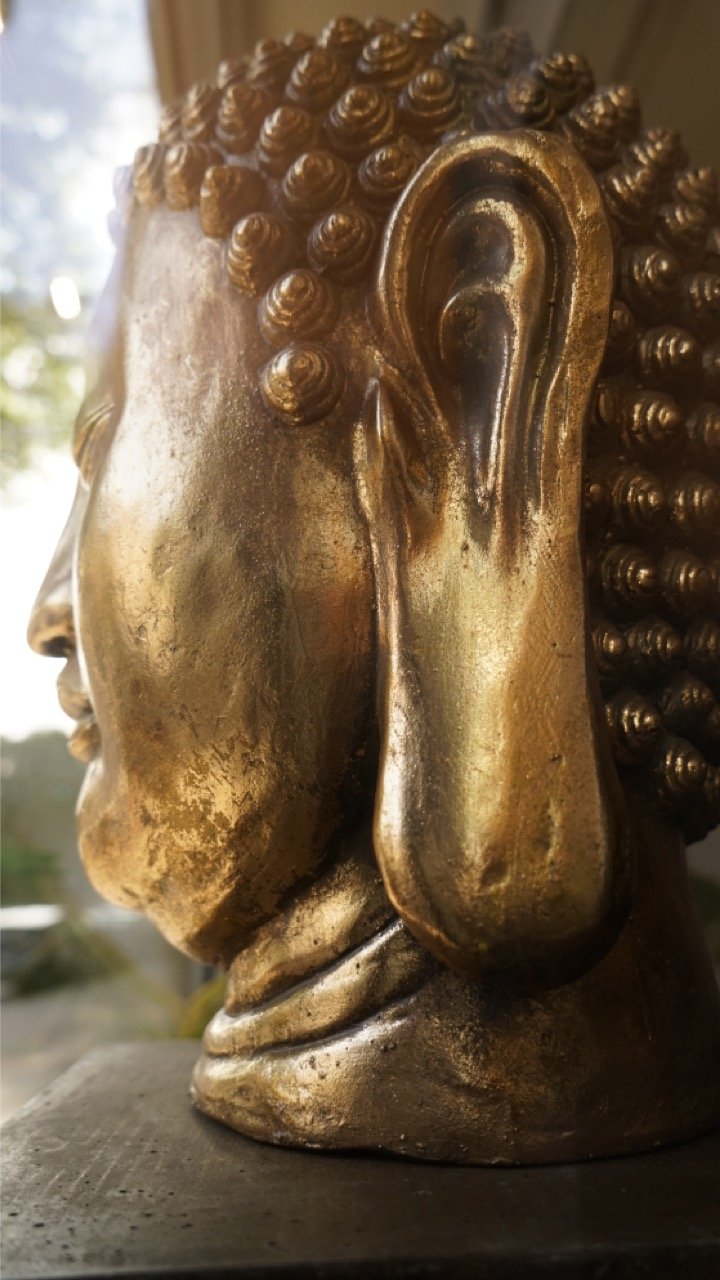
240901014067
Golden Kṣitigarbha
2024
Inkjet print on fineart canvas.
UNIQUE 115cm X 200cm
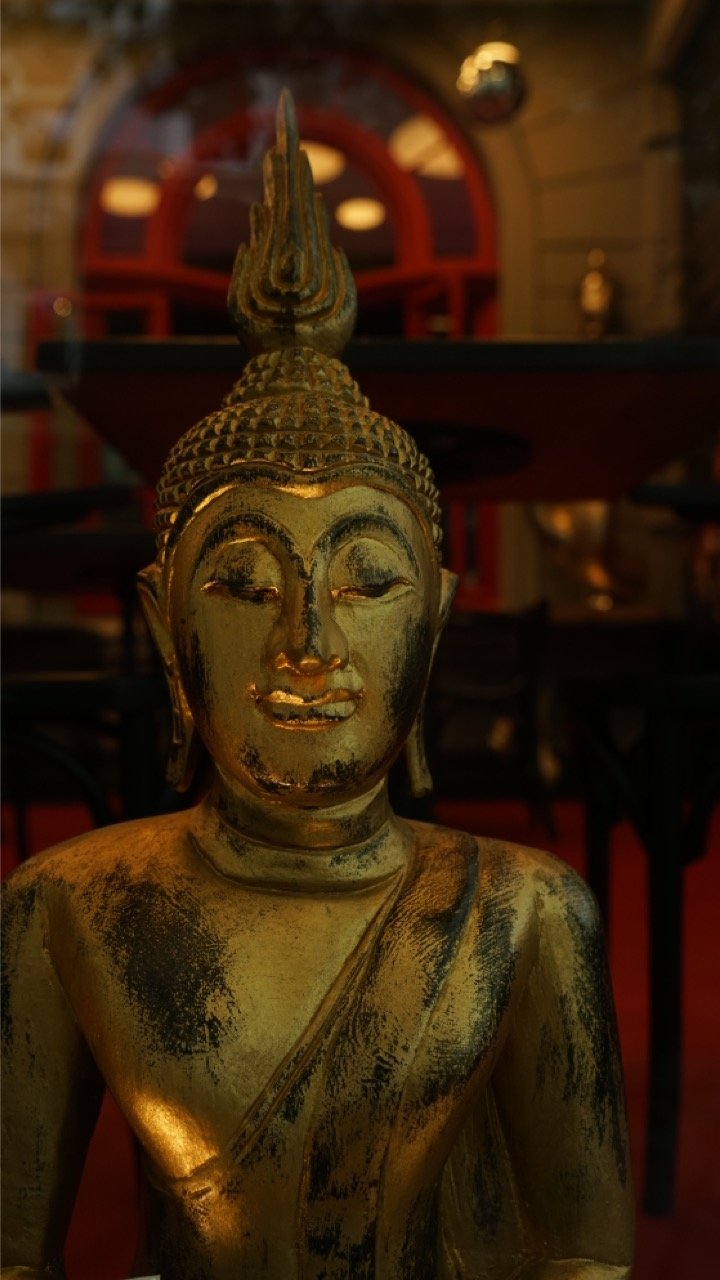
240901012314
Amitābha Buddha
2024
Inkjet print on fineart canvas.
UNIQUE 115cm X 200cm
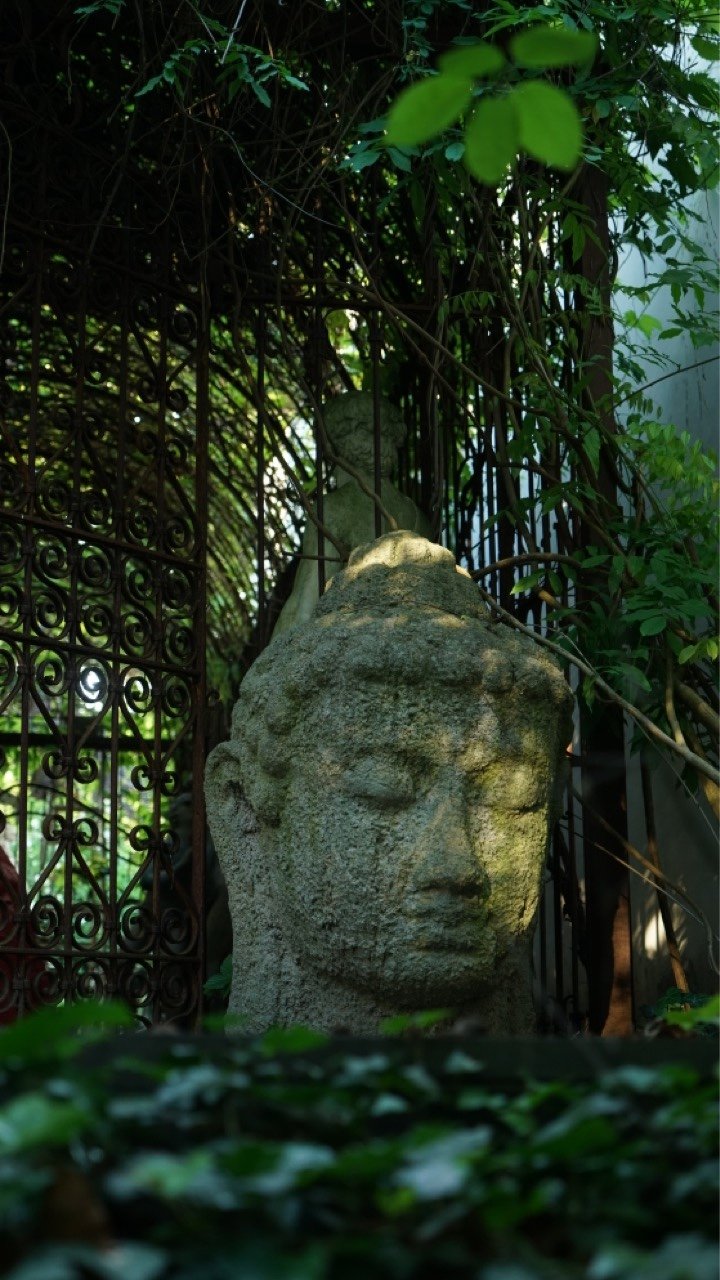
240801011234
Ksitgarba – Calm Mind
DYPTYCH – PLATE Nr.1
2024
Inkjet print on fineart canvas.
UNIQUE 115cm X 200cm
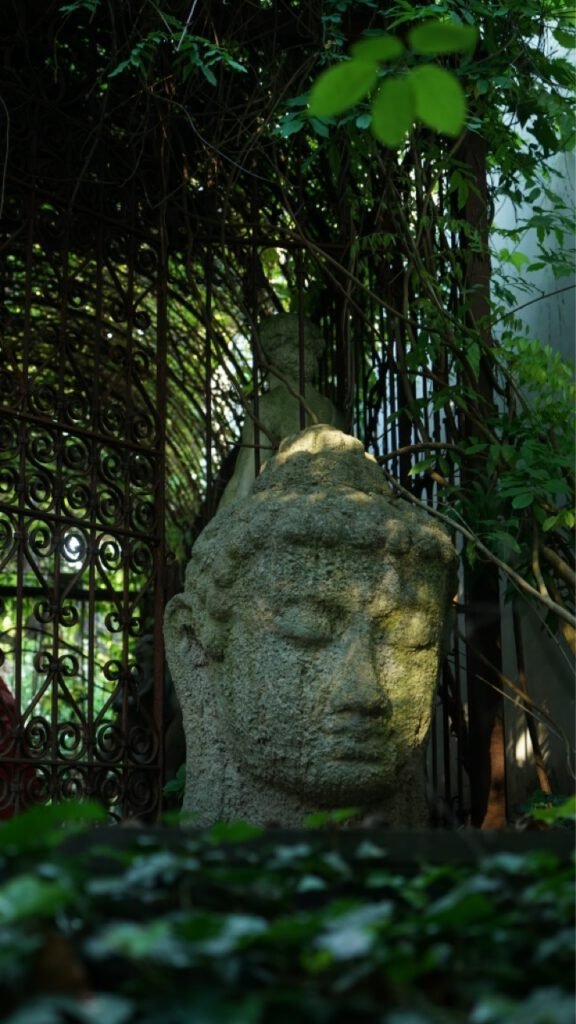
240801011234
Kṣitigarbha-Calm Mind
DYPTYCH – PLATE Nr 2
2024
Inkjet print on fineart canvas.
UNIQUE 115cm X 200cm
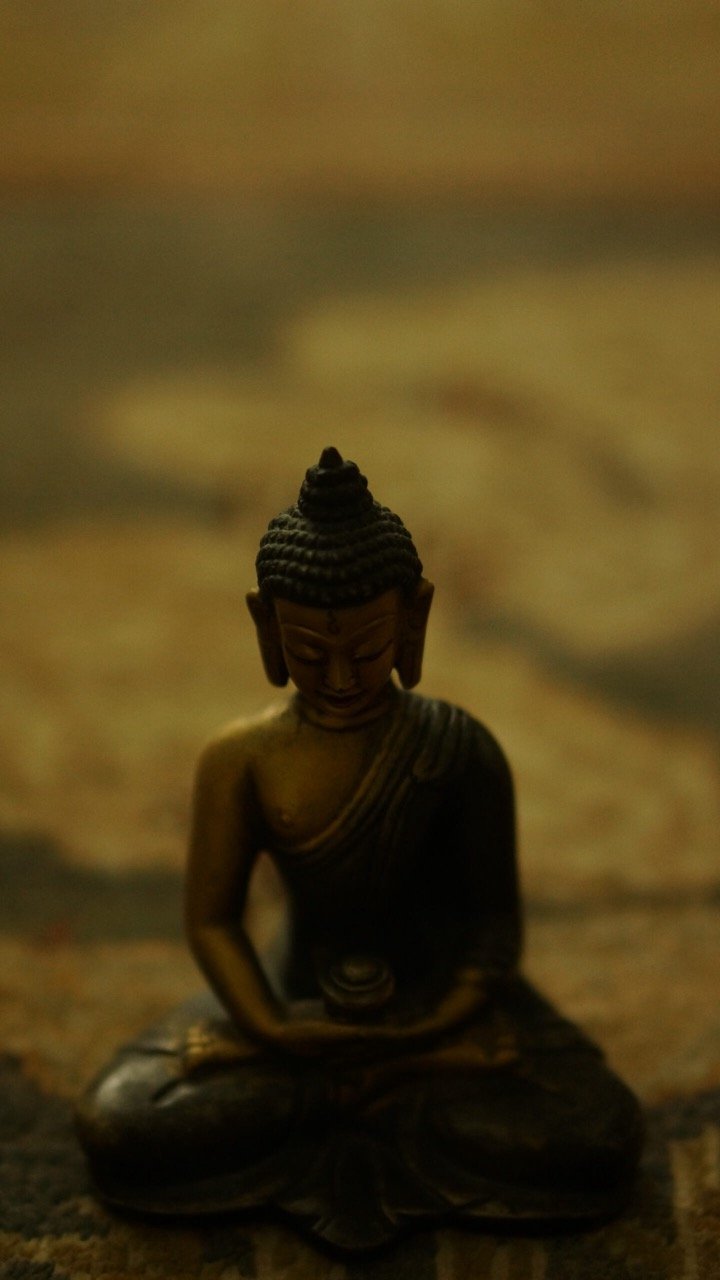
160202011358
Maitreya in prayer
2016
Inkjet print on fineart canvas.
UNIQUE 115cm X 200cm
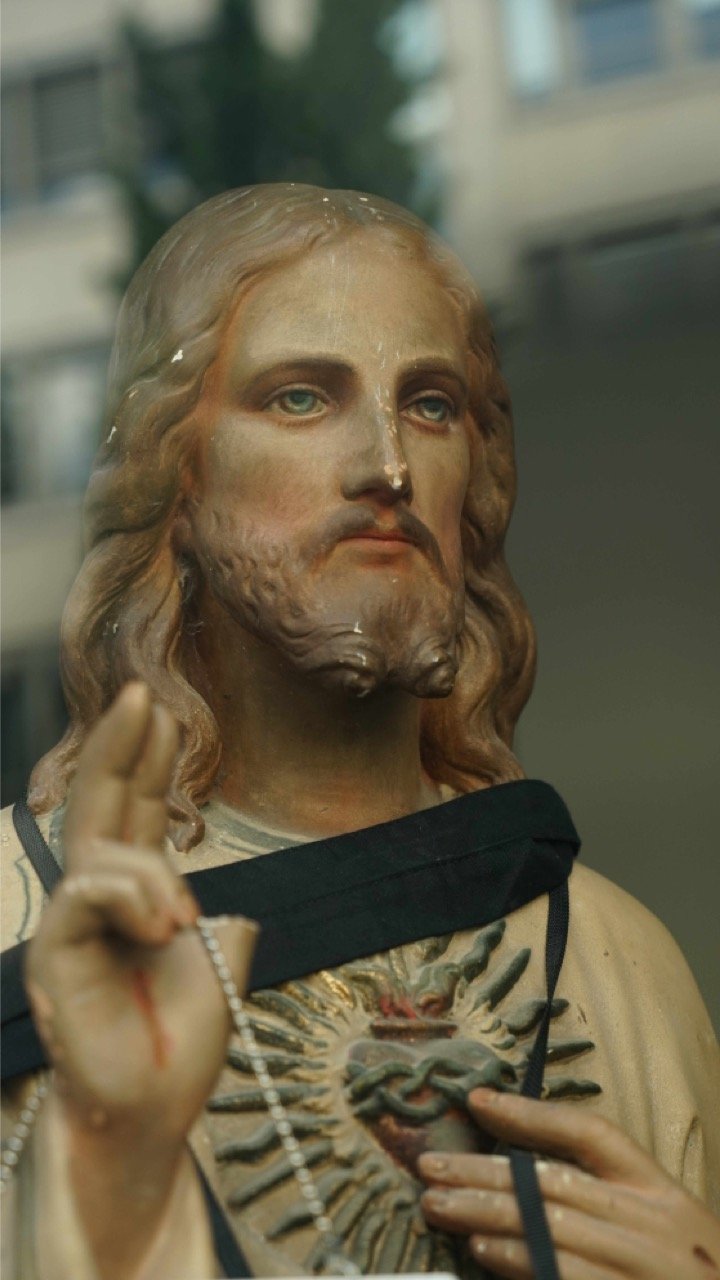
190615010721
Jesus 1
2016
Inkjet print on fineart canvas.
UNIQUE 115cm X 200cm
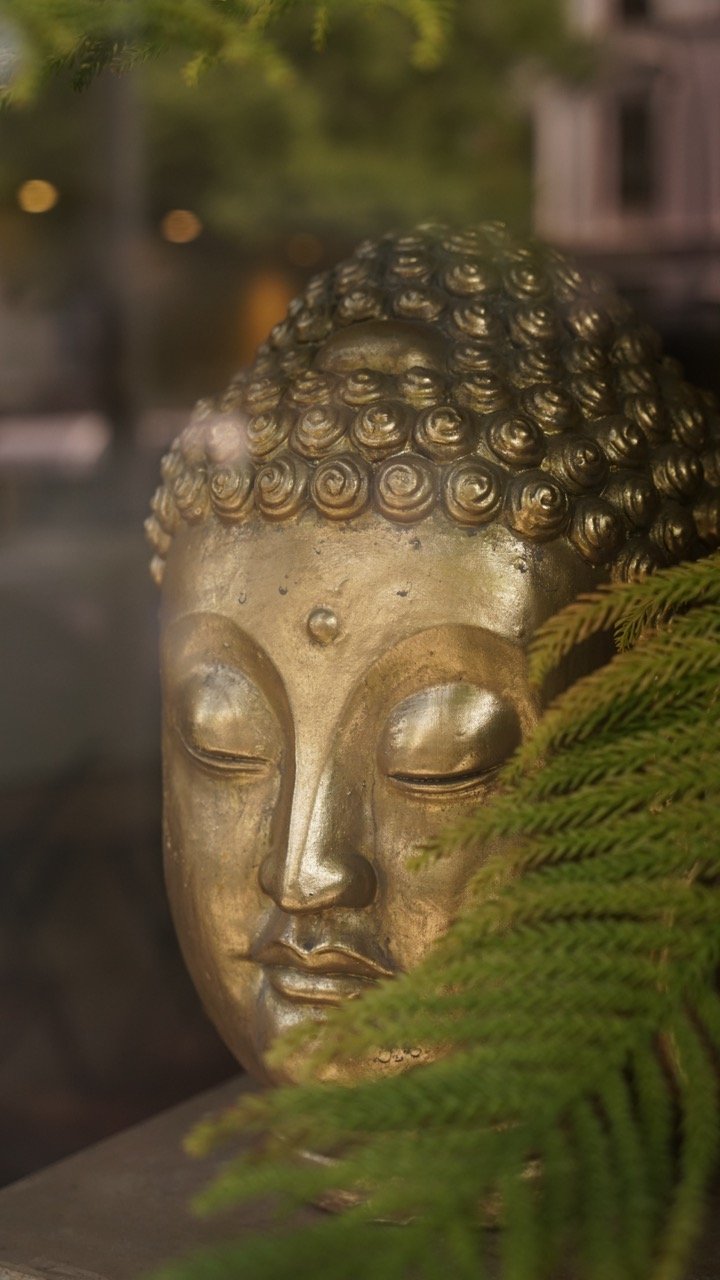
190615010708
Kṣitigarbha.- Protector of our children.
2016
Inkjet print on fineart canvas.
UNIQUE 115cm X 200cm
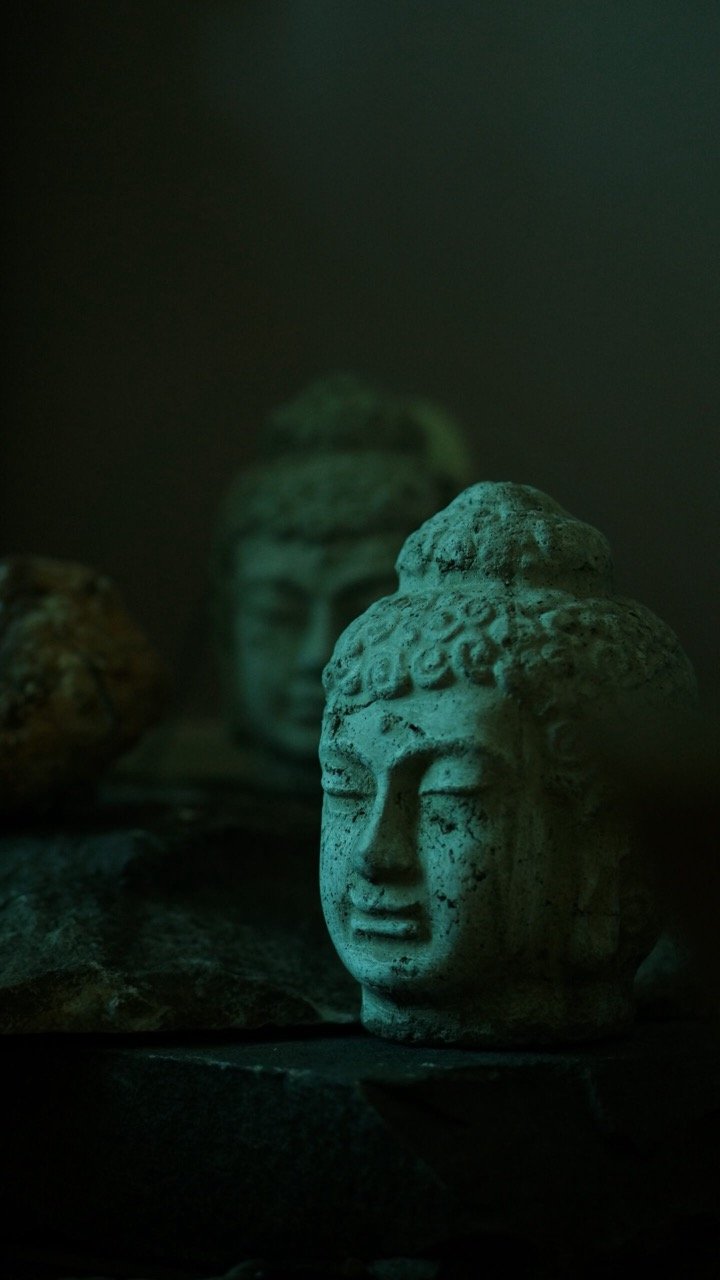
160202014597
Dīpaṃkara
2016
Inkjet print on fineart canvas.
UNIQUE 115cm X 200cm
CYCLE 1
TESTIMONIALS
“We bought two works from the “Spi-ritual” cycle. I’m amazed by the harmony and shift they
brought into our home. It feels as if these relics attune to us as much as we attune to them.”
A collector friend told me about “Biconic”, and I never thought before seeing myself that something so usual can be turne into such entertaining, fresh and meanigful art-show. One motive and so much real variety! Every single piece is truley unique -to me the title is justified: This is Iconic.
CYCLE-2 ANCHOR
CYCLE 2
MUSEUM-GRADE
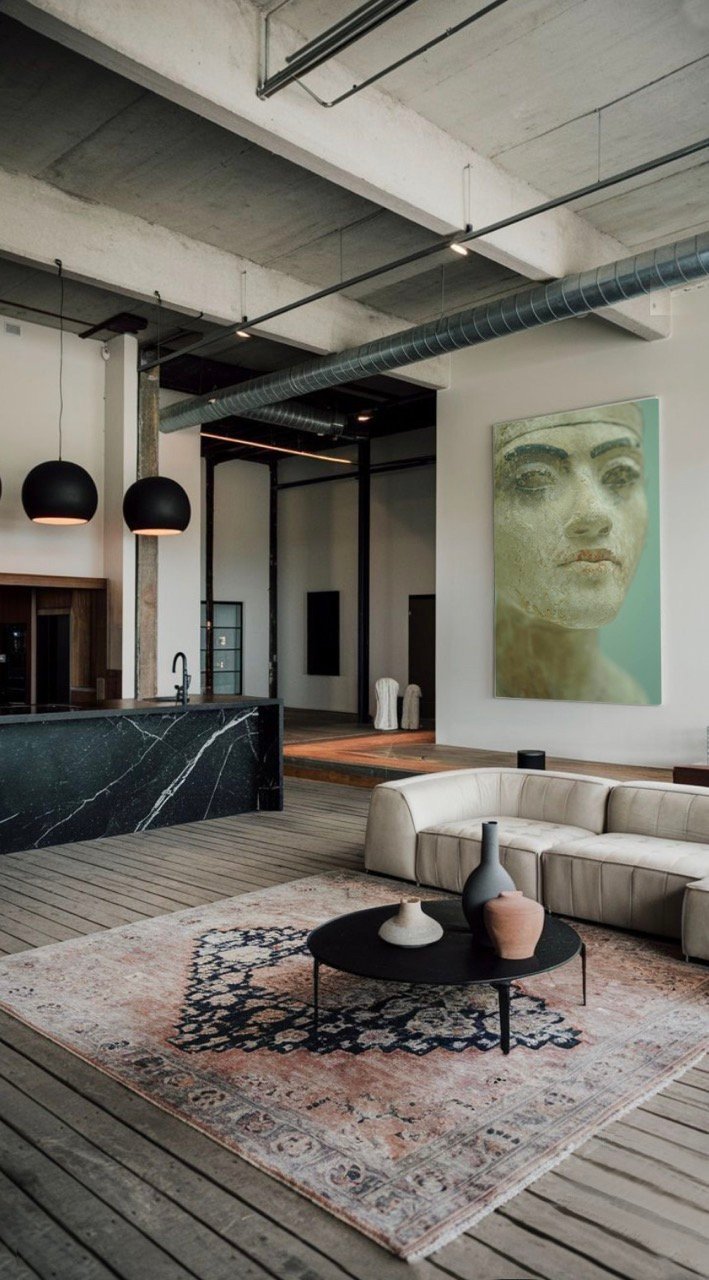
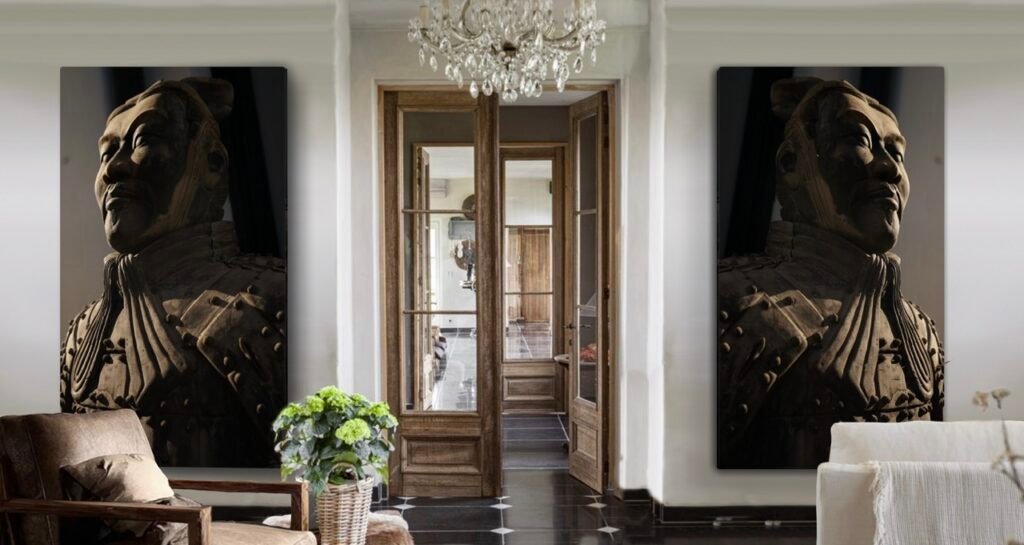
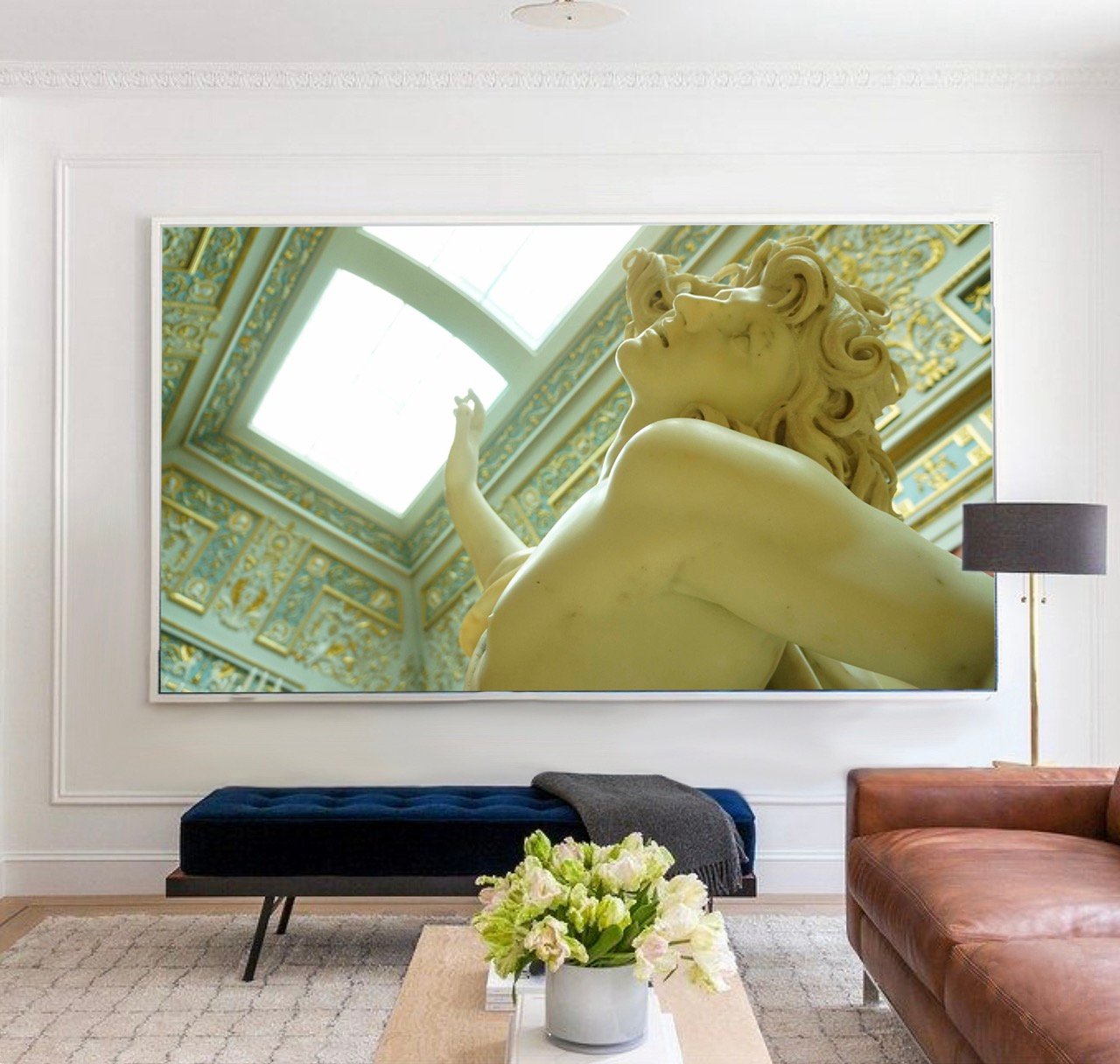
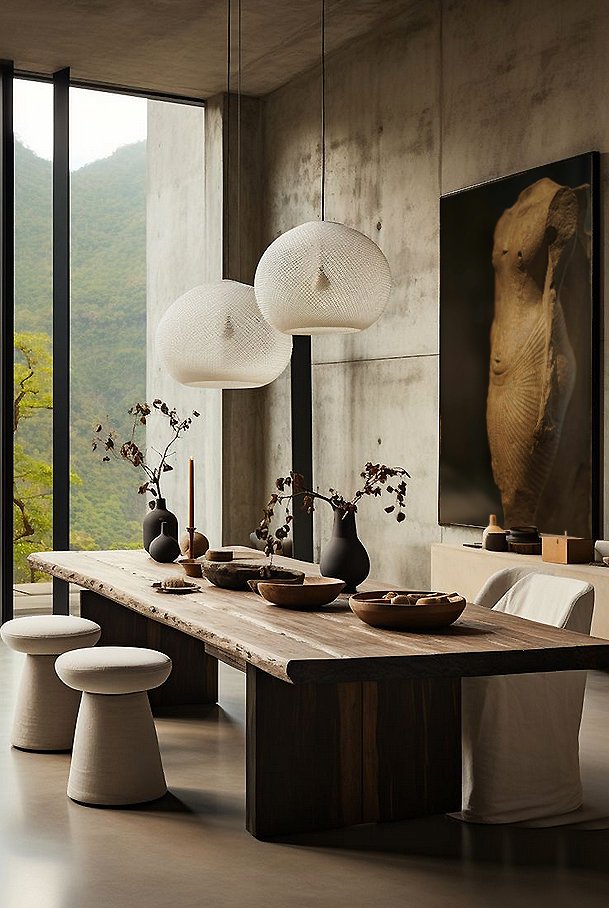
What we see are images of treasures once confined to the hallowed halls of museums — ancient Greek statues,
Egyptian figurines, the haunting presence of Tutankhamun, the proud samurai of Japan.
These iconic figures, symbols of timeless cultures, have always been beyond reach. Until now. By capturing these pieces in large-format prints, we bring them into our space.
In doing so, we bridge the distance between the past and the present.
What was once distant — the ancient, the sacred, the cultural — is now present, tangible, and part of the everyday.These images don’t just decorate a wall.
They elevate a space, transforming it into a living museum, where the stories of the past are not just observed but felt, where heritage and memory take up residence in our homes.
In this way, culture becomes part of our daily experience, imbuing our surroundings with meaning.
To live with these pieces is to engage with history. It’s a celebration of what has shaped us, of what endures, and of the power that heritage still holds.
These works are more than symbols; they are living connections to our collective past, reminding us of the time- less beauty and wisdom that continue to resonate in our lives.
These are not signs. These are portraits. Drawn not with ink or pencil, but with traffic paint, time, weather, asphalt, and neglect. The wheelchair icon, a global symbol of accessibility, becomes — in these photographs — a site of attention.
Enlarged. Elevated. Reframed.
Each image begins with a real parking spot. Not staged. Not retouched. Just found — worn, cracked, awkward, accidental.
Some are barely legible.
Others have been painted over, misaligned, or slowly erased by time. Yet in their damage, they speak.They become witnesses to presence. And to absence. This body of work asks: How do we mark space forthose society often overlooks?
What does the condition of these signs say about care, visibility, and respect? These aren’t just technical oversights — they reflect something deeper.
The transfer from pavement to print shifts our perspective. Once utilitarian, the image becomes contemplative. A kind of quiet activism. An invitation to reconsider how we define access, inclusion, and beauty itself.
For a viewer who is disabled — or lives close to disability — these works can also be reclaimed. Not as critique, but as pride.
To hang one on the wall is to say:
Yes, I am handicapped. So what?
This is me. This is my space.
This is worth seeing.
The prints, available in high-resolution, large-scale editions, intentionally preserve every crack and stain. Because perfection was never the point. These aren’t clean graphics. They’re declarations — of movement, presence, and persistence.
In their silence, these signs still speak.
About design. About neglect. About beauty.
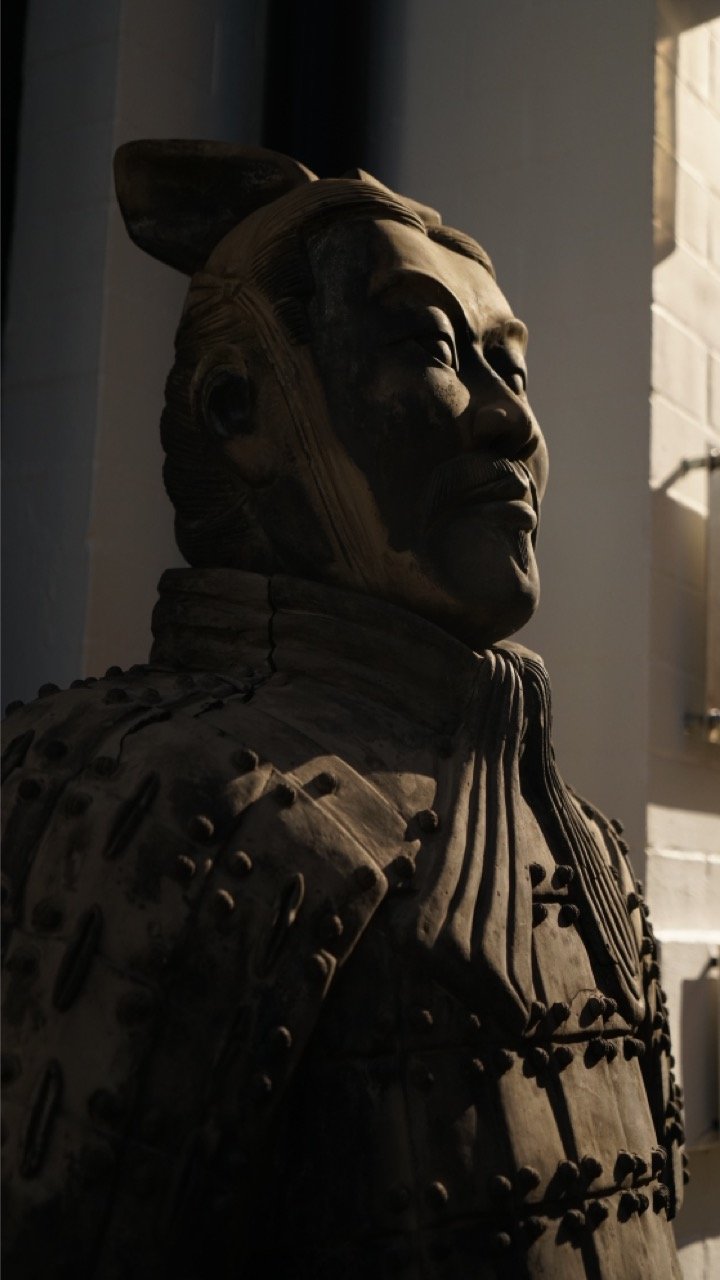
240806019695
Ō-yoroi Samurai
General of the Rising Sun in battle attire.
2024
Inkjet print on fineart canvas.
UNIQUE 115cm X 200cm
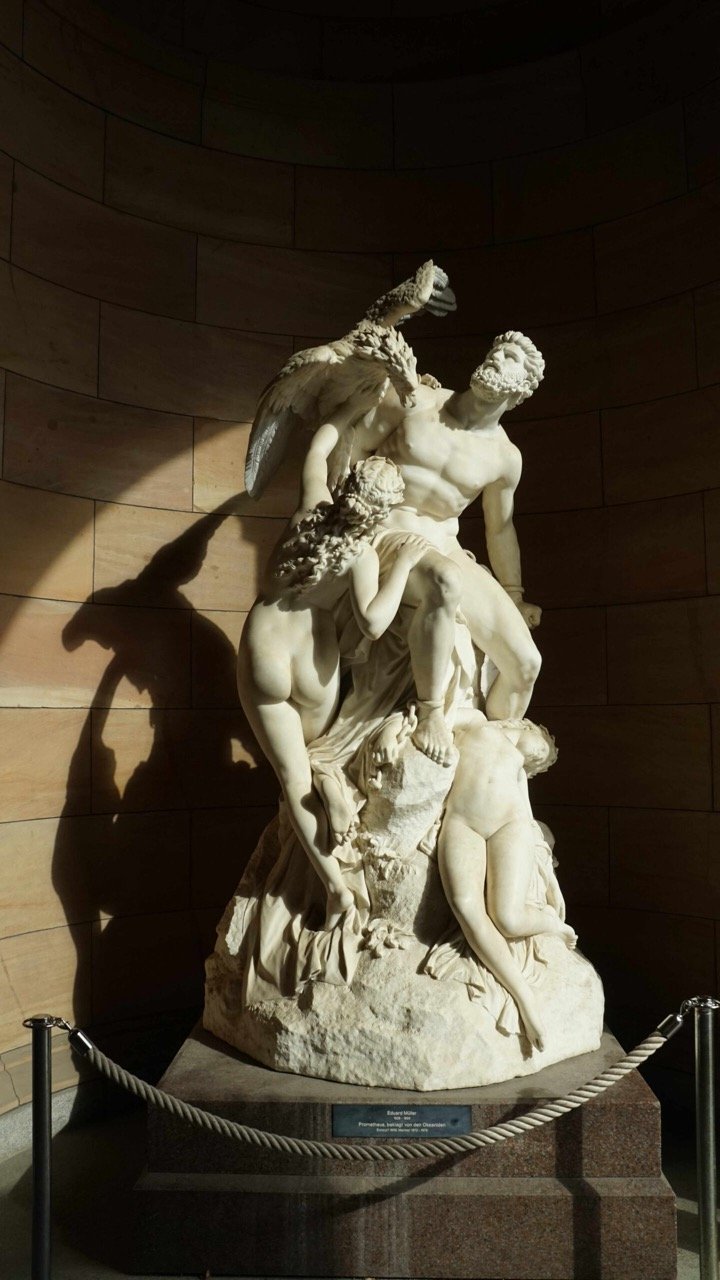
180921010039
Prometheus – Lamented by the Oceanids 1872-79
2024
Inkjet print on fineart canvas.
UNIQUE 115cm X 200cm
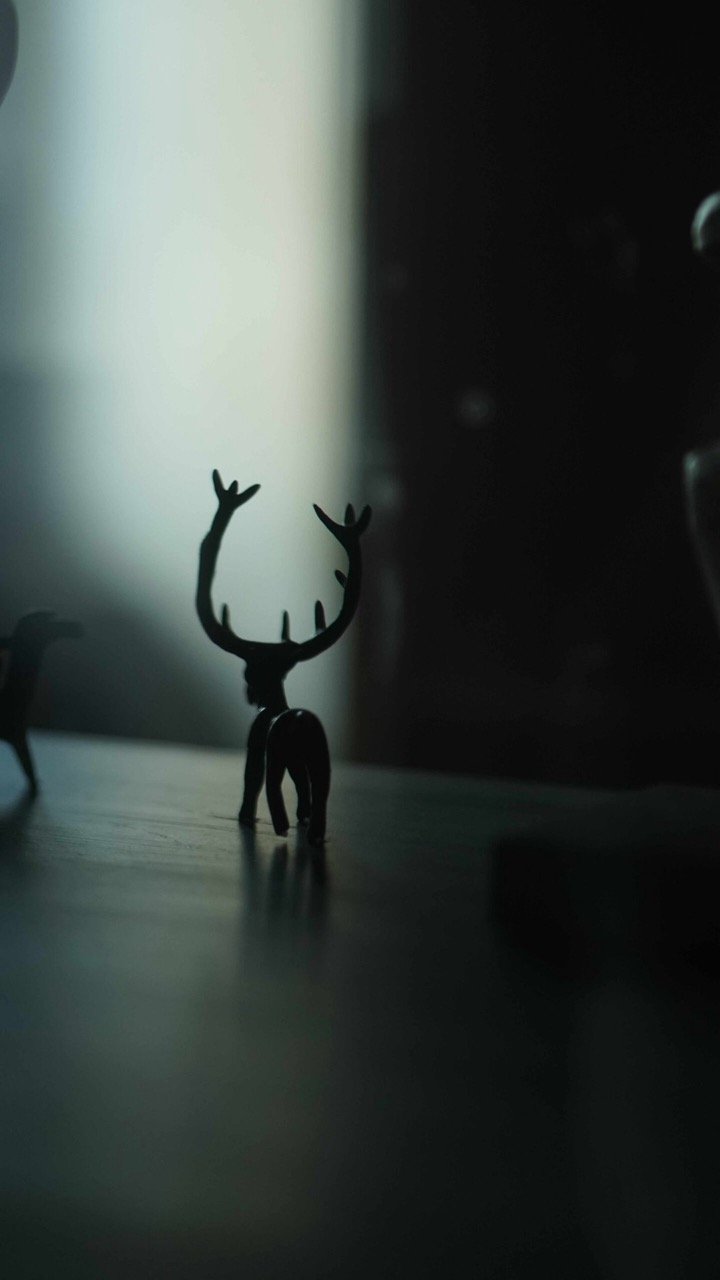
180921010366
Deer – Bronze age relic
3000 years
2024
Inkjet print on fineart canvas.
UNIQUE 115cm X 200cm
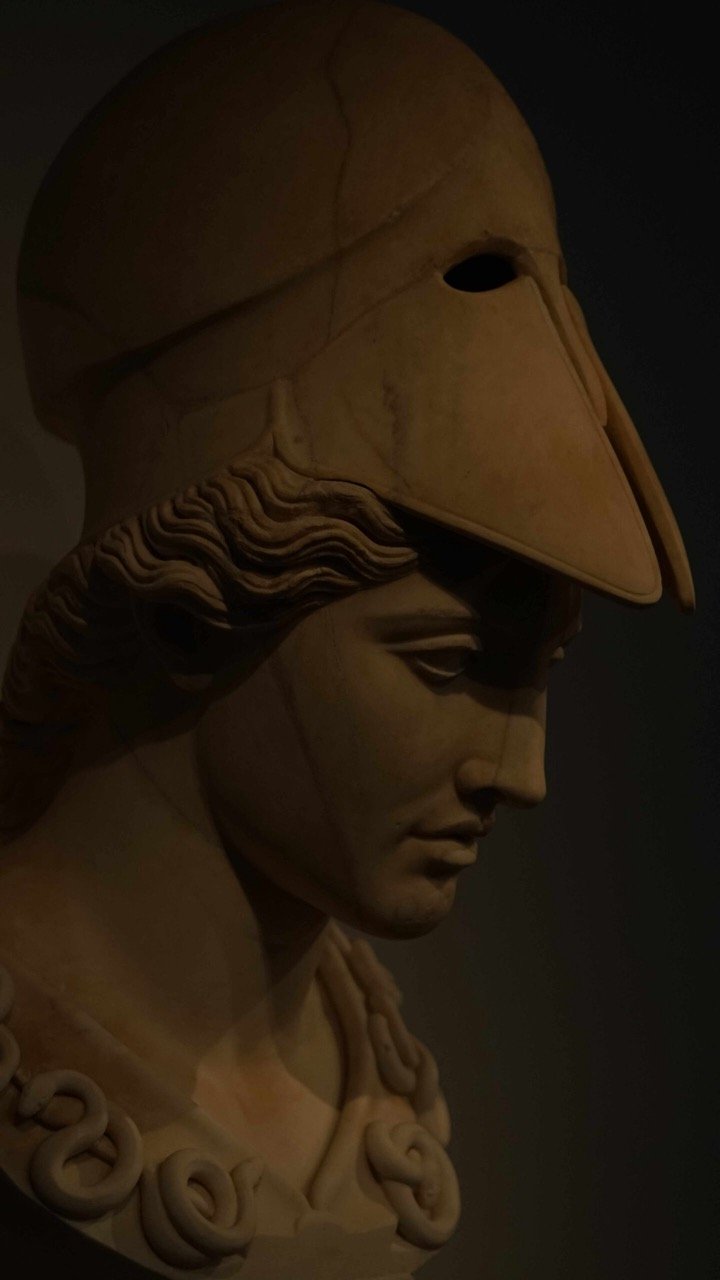
180921010450
Celebrated Actor Hellenistic Torso
~300 B.C.
2024
Inkjet print on fineart canvas.
UNIQUE 115cm X 200cm
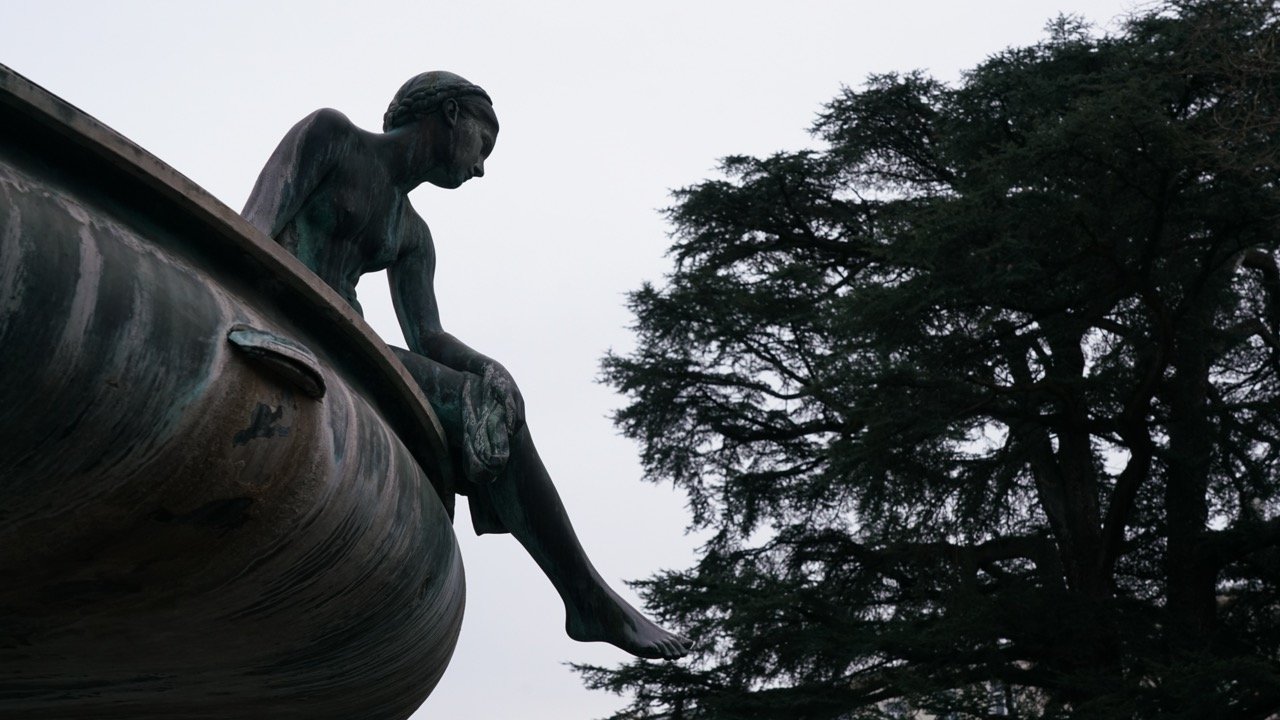
250301012065
Touching trees Hygieia-fountain 1905
Karlsruhe
2024
Inkjet print on fineart canvas.
UNIQUE 115cm X 200cm
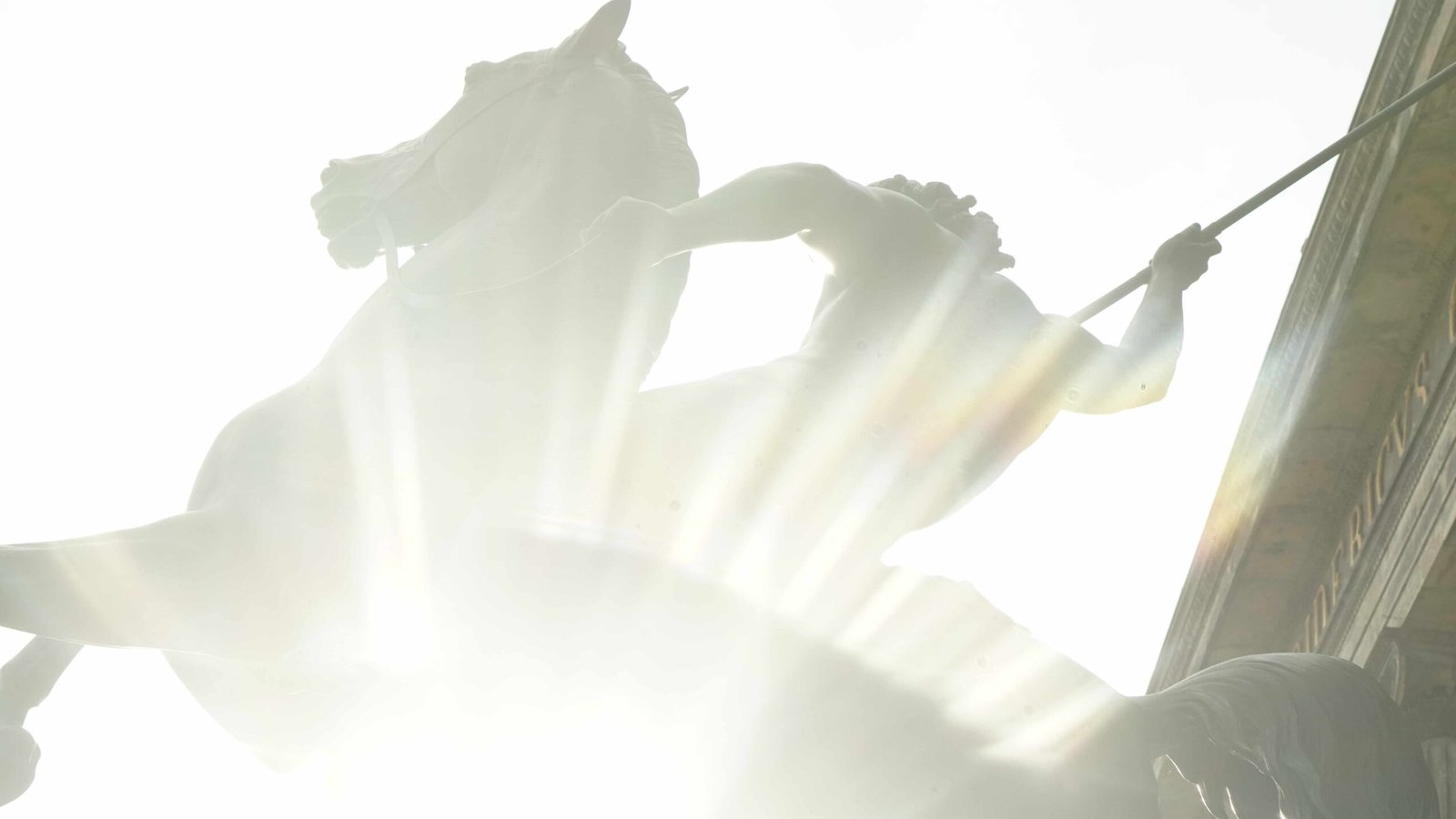
180921010422
WARRIOR of THE SUN
2024
Inkjet print on fineart canvas.
UNIQUE 140cm X 250cm
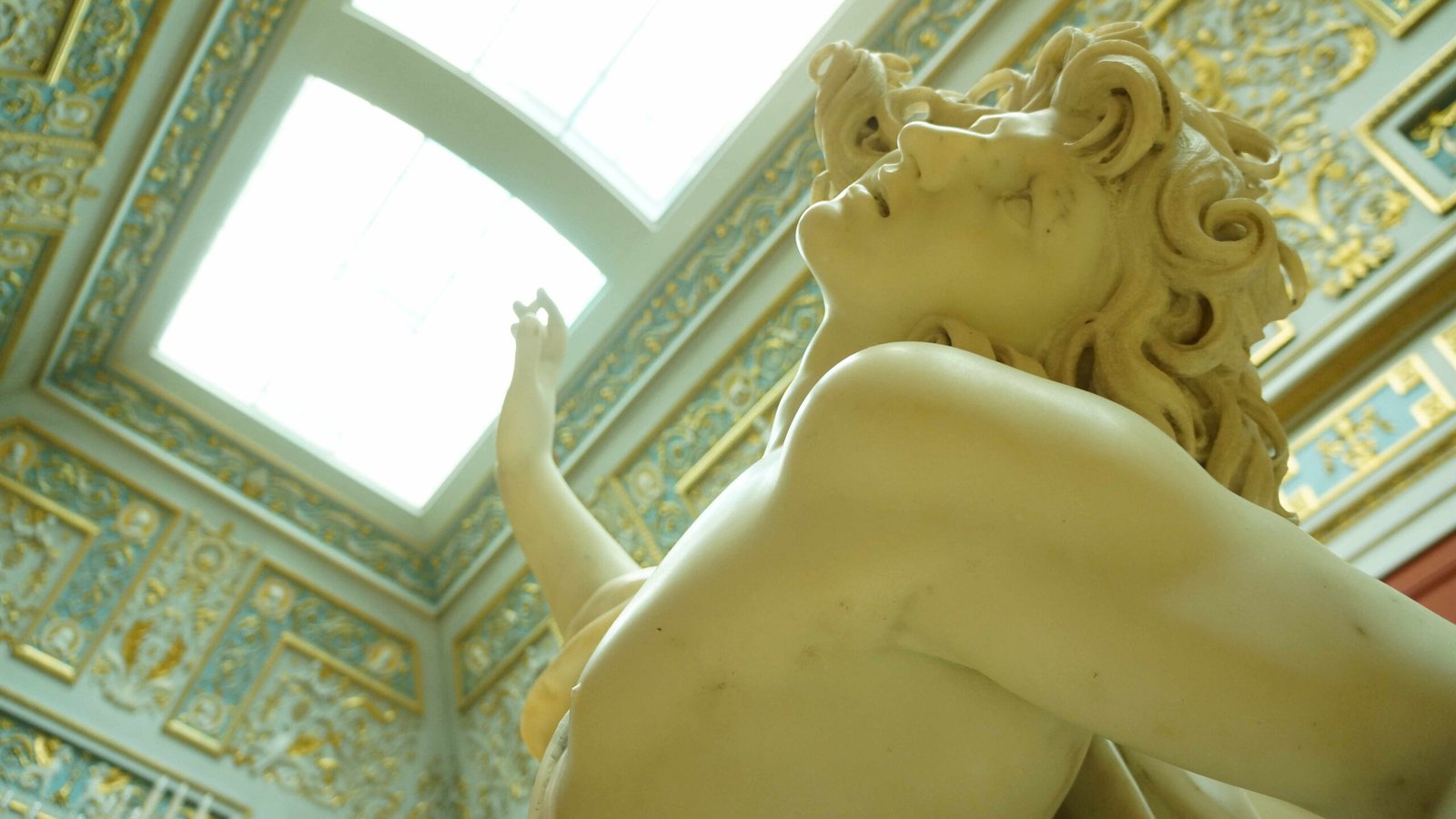
161212011876
Helenistic Youth
~300 B.C. or Roman replica ~100 A.D
2024
Inkjet print on fineart canvas.
UNIQUE 140cm X 250cm
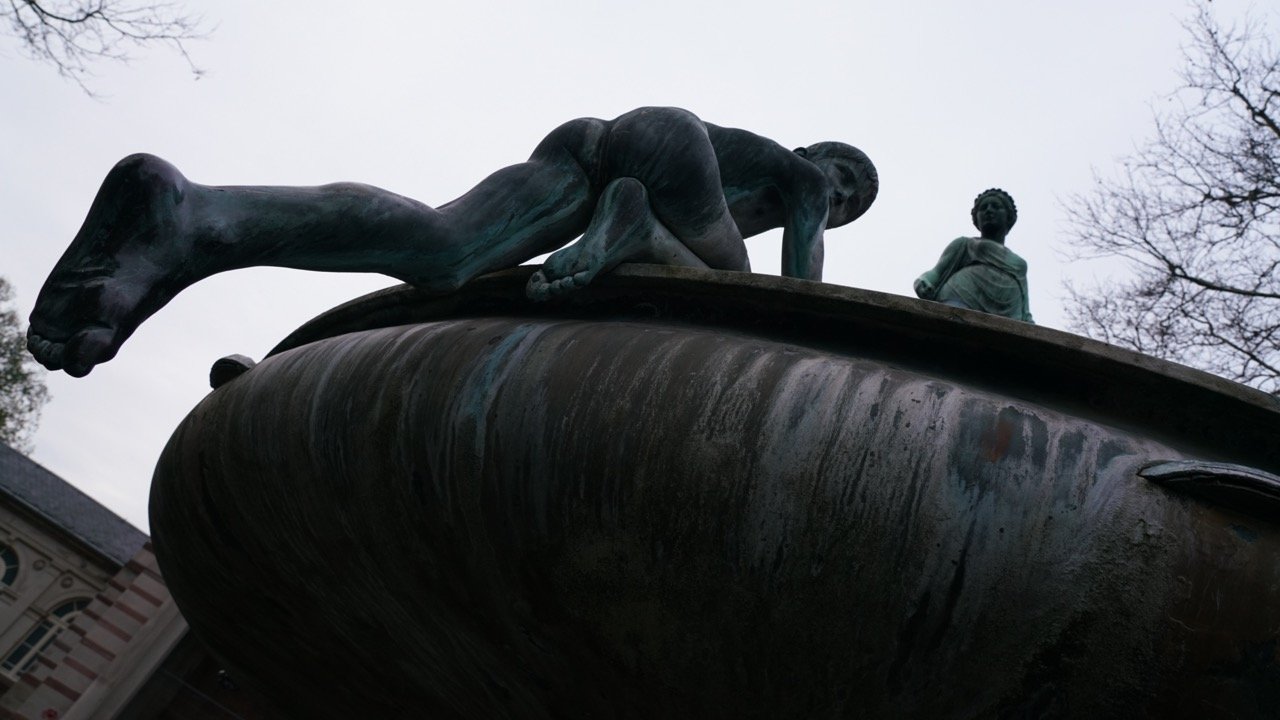
250301012061
Joy of summer Hygieia-fountain 1905
Karlsruhe
2024
Inkjet print on fineart canvas.
UNIQUE 115cm X 200cm
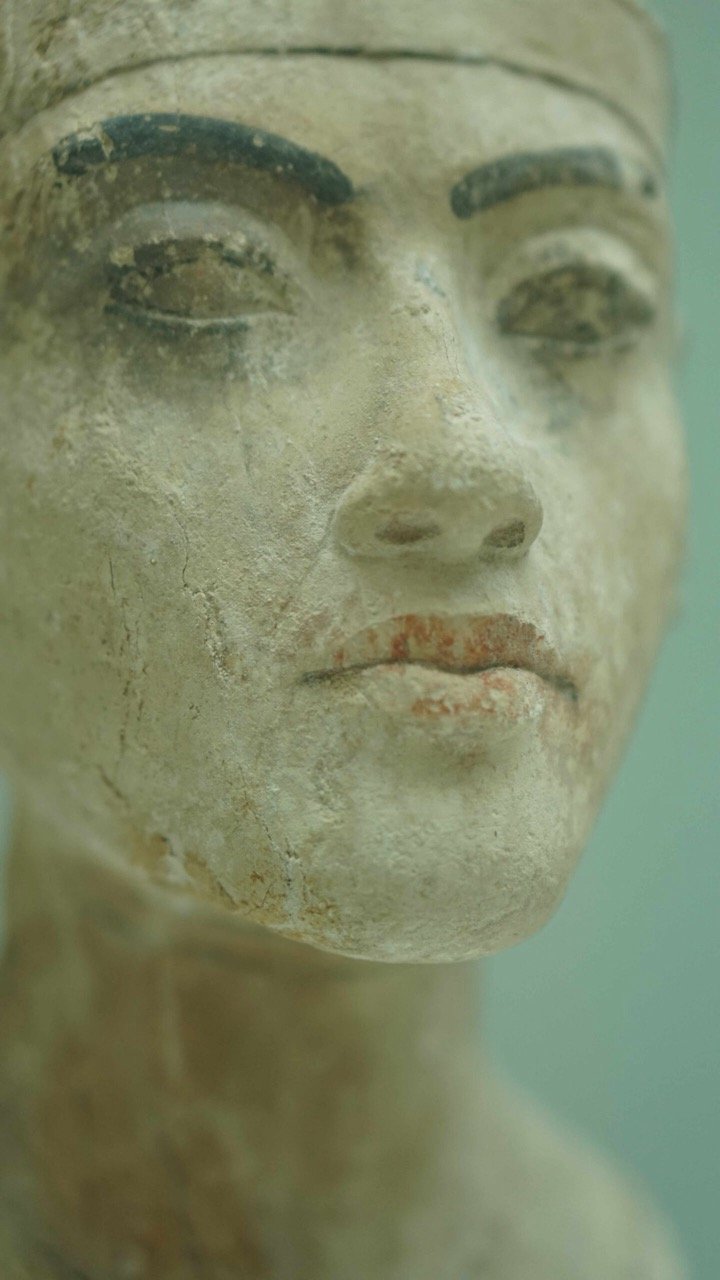
180921010184
Beauty of Akhenaton
New Kingdom, Dynasty 18, ca. 1300 B.C.
2018
Inkjet print on fineart canvas.
UNIQUE 115cm X 200cm
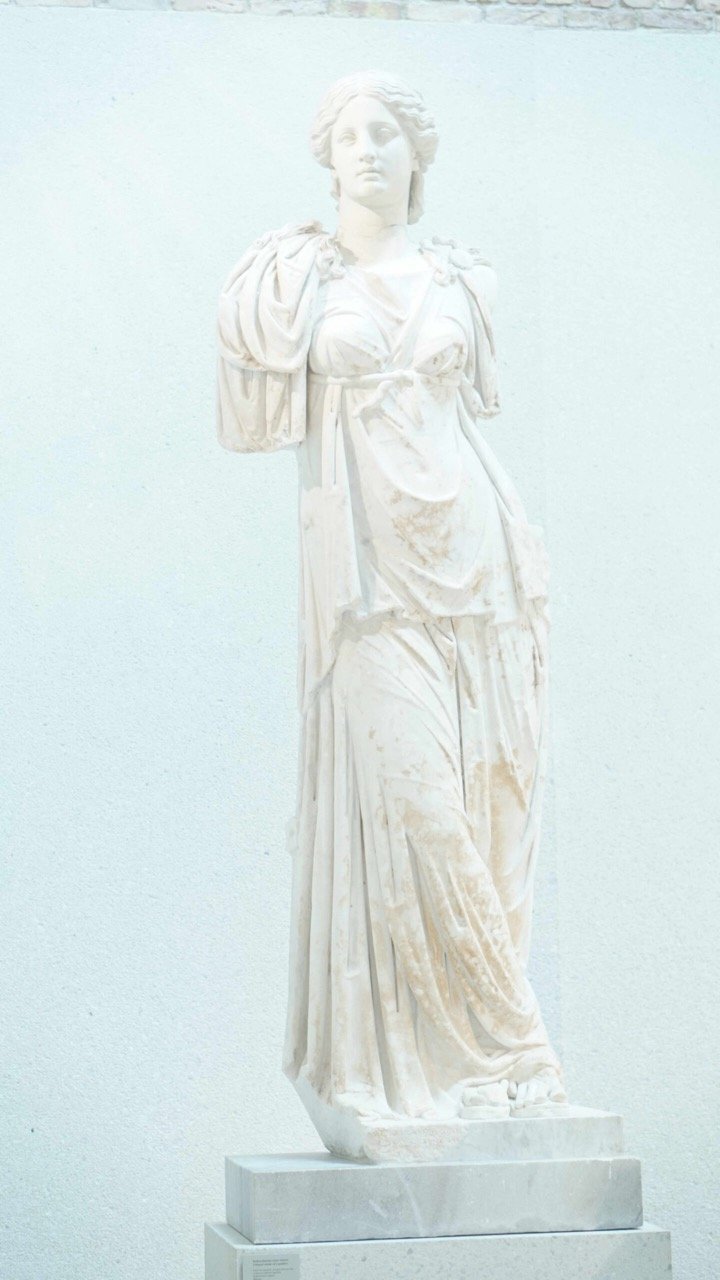
180921010126
Hellenistic Beauty
Marble statue ~150 B.C.
2018
Inkjet print on fineart canvas.
UNIQUE 115cm X 200cm
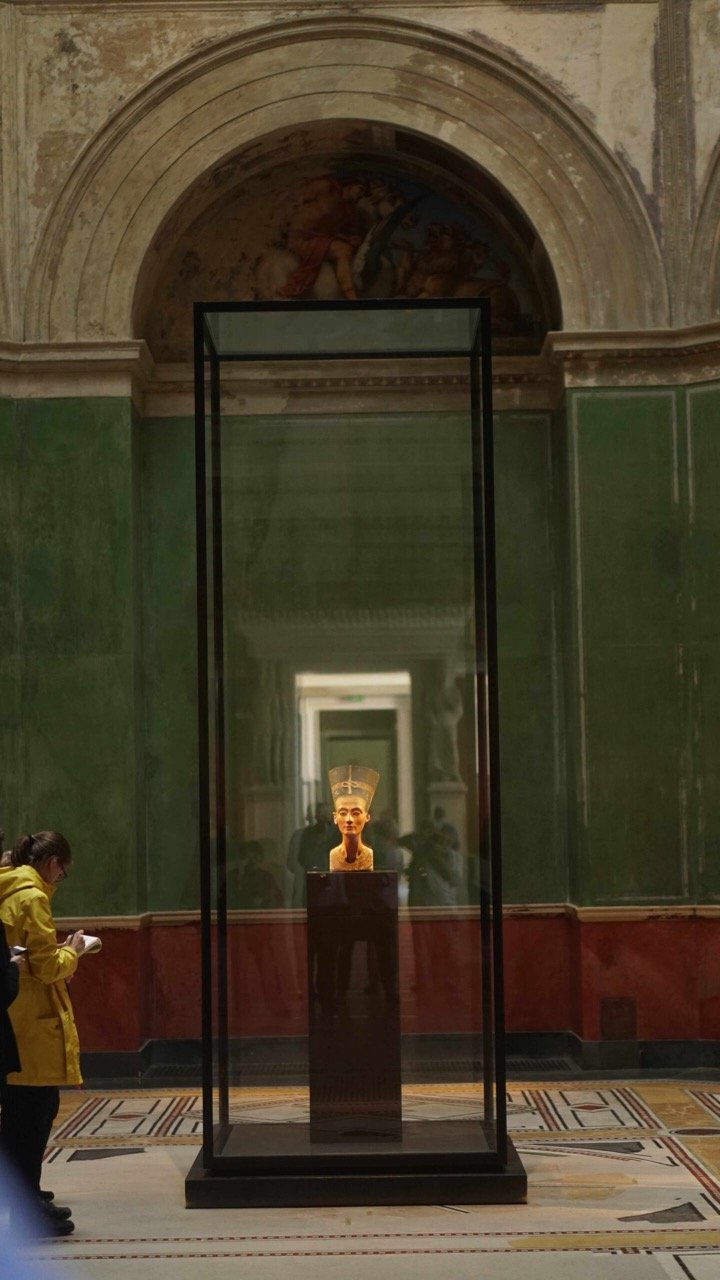
180921010160
Queen Nefertiti
~1350 B.C.
2018
Inkjet print on fineart canvas.
UNIQUE 115cm X 200cm
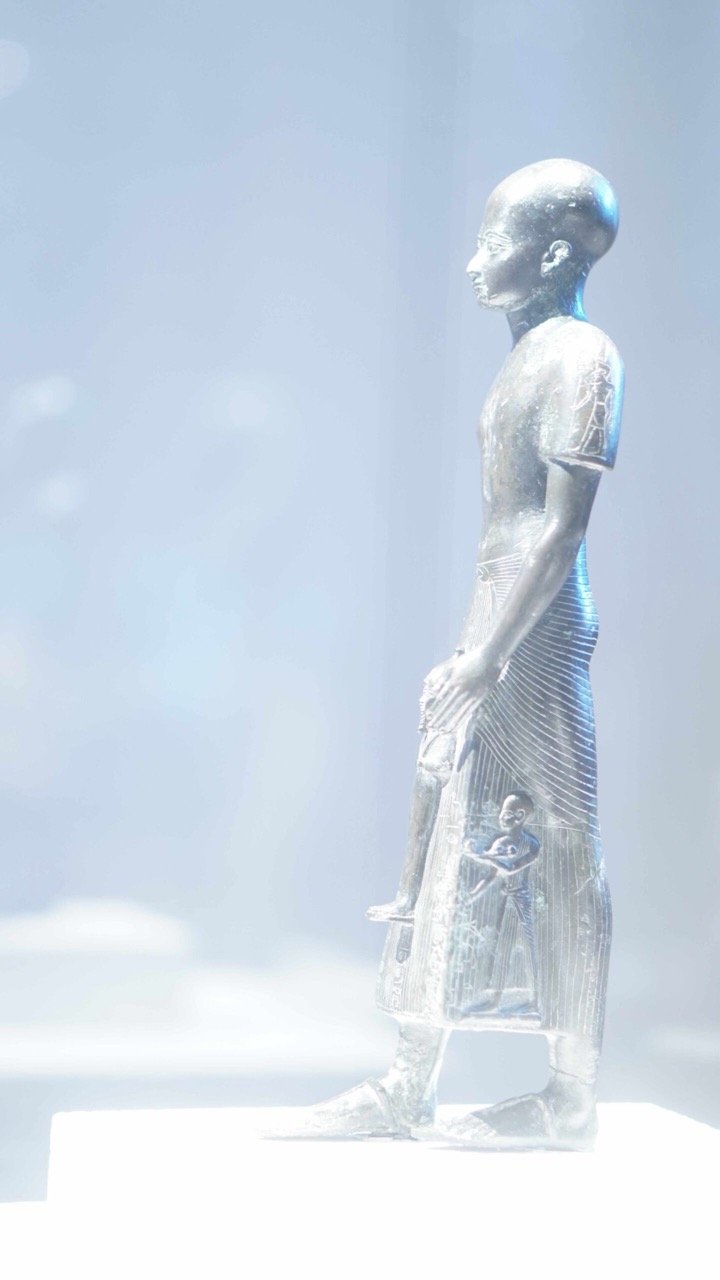
180921010215
Araman – Presenting Child To Deity. ~1350 B.C.
2018
Inkjet print on fineart canvas.
UNIQUE 115cm X 200cm
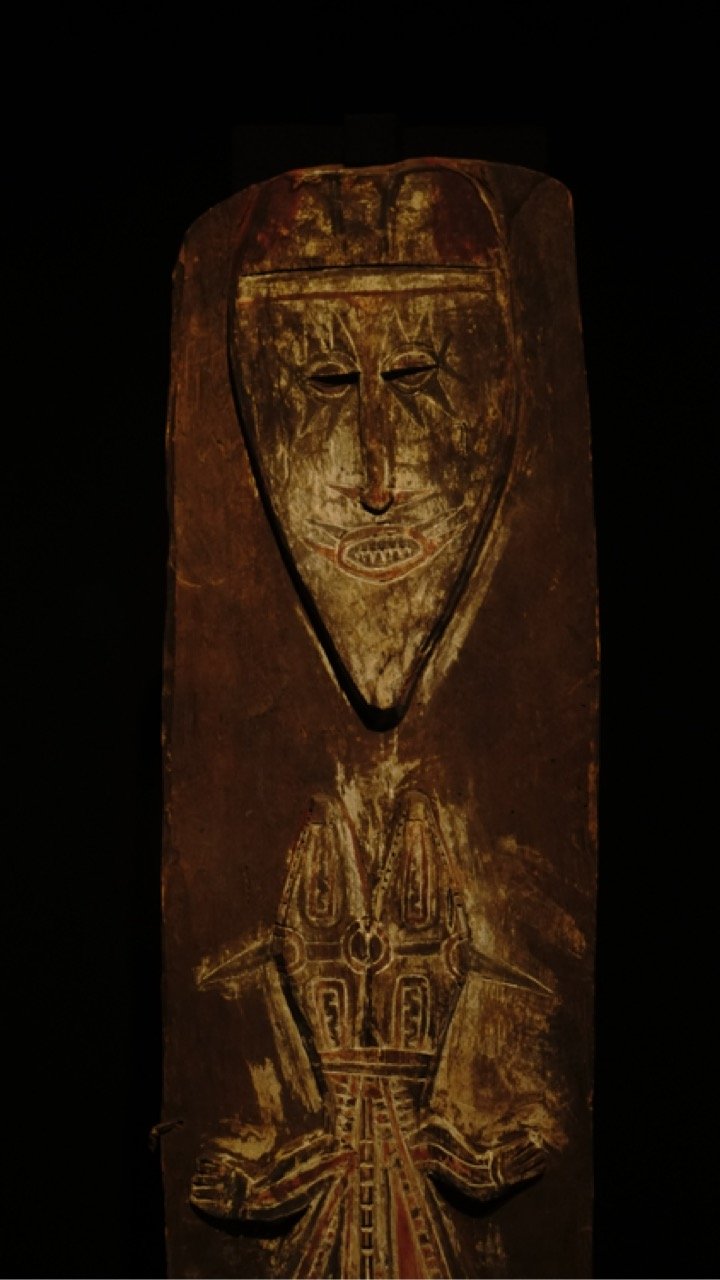
240401010152
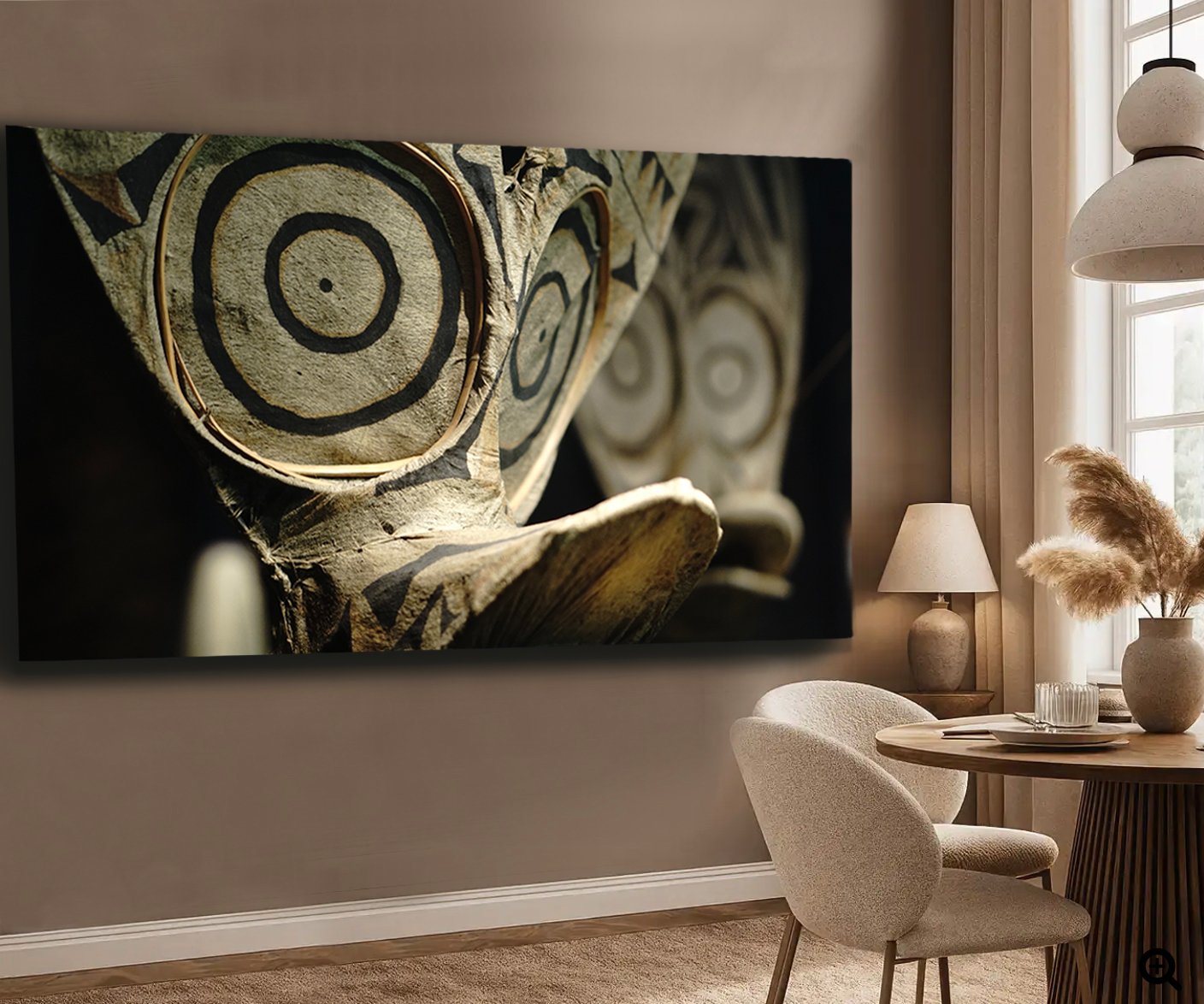
Shaman’s mask
2024
Inkjet print on fineart canvas.
UNIQUE 115cm X 200cm
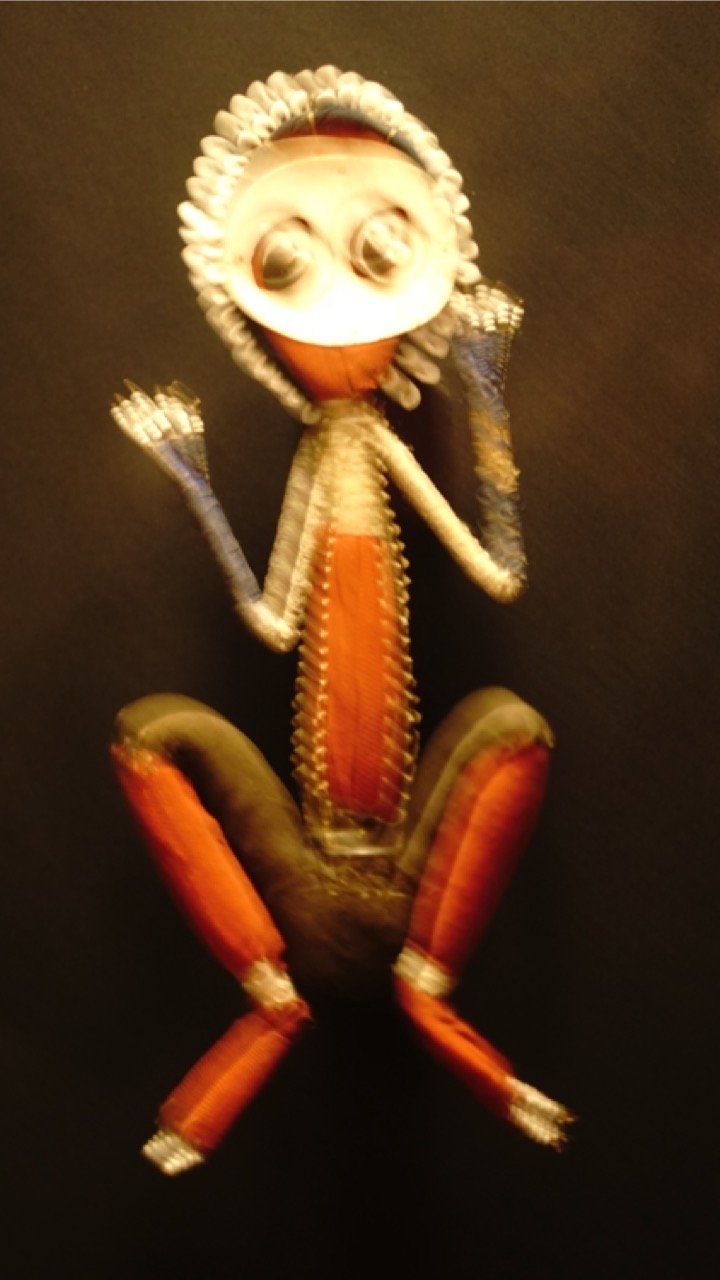
24040
Guinean doll
2024
Inkjet print on fineart canvas.
UNIQUE 115cm X 200cm
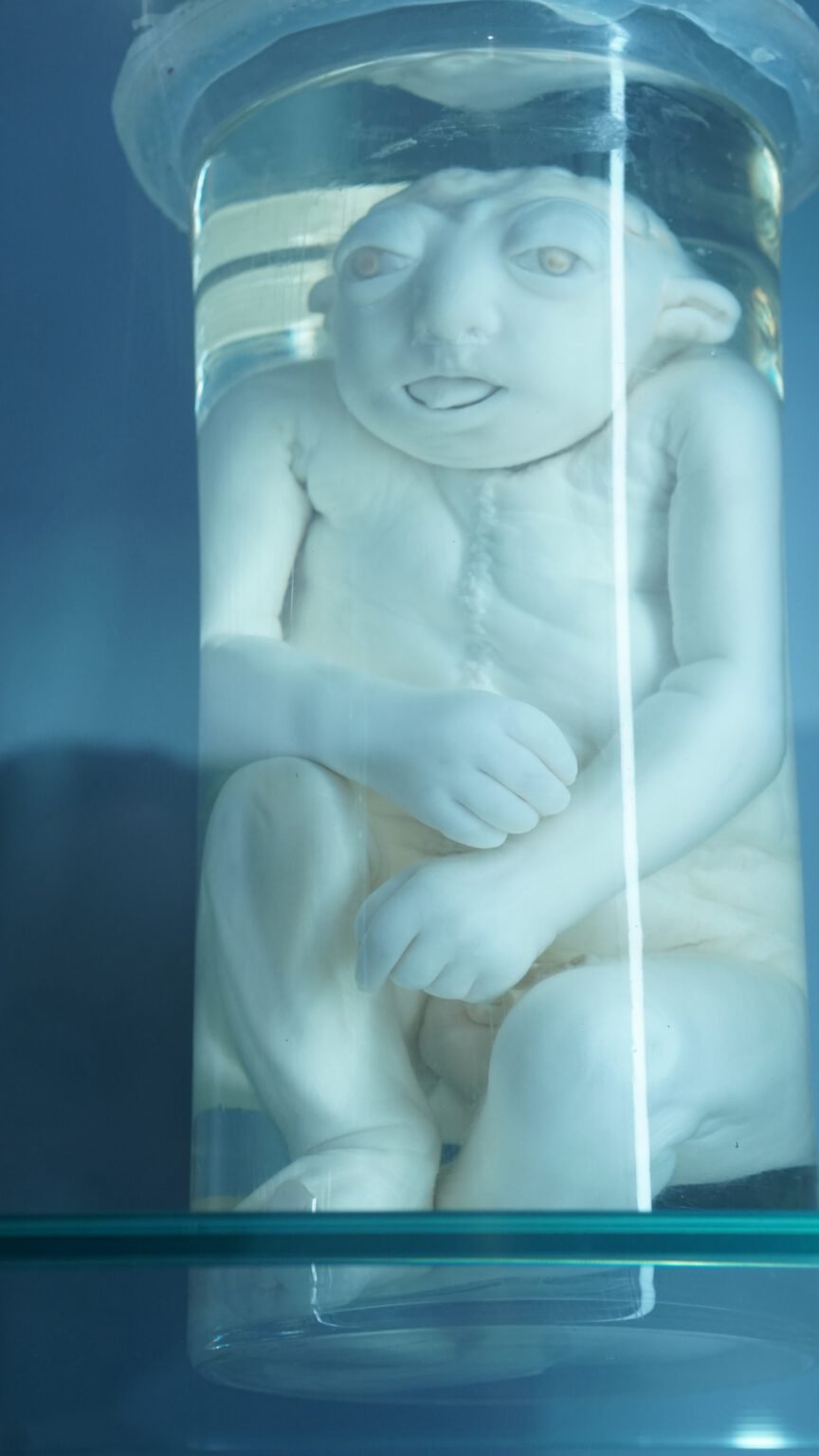
190917010113
Devil of Korneuburg
2019
Inkjet print on fineart canvas.
UNIQUE 115cm X 200cm
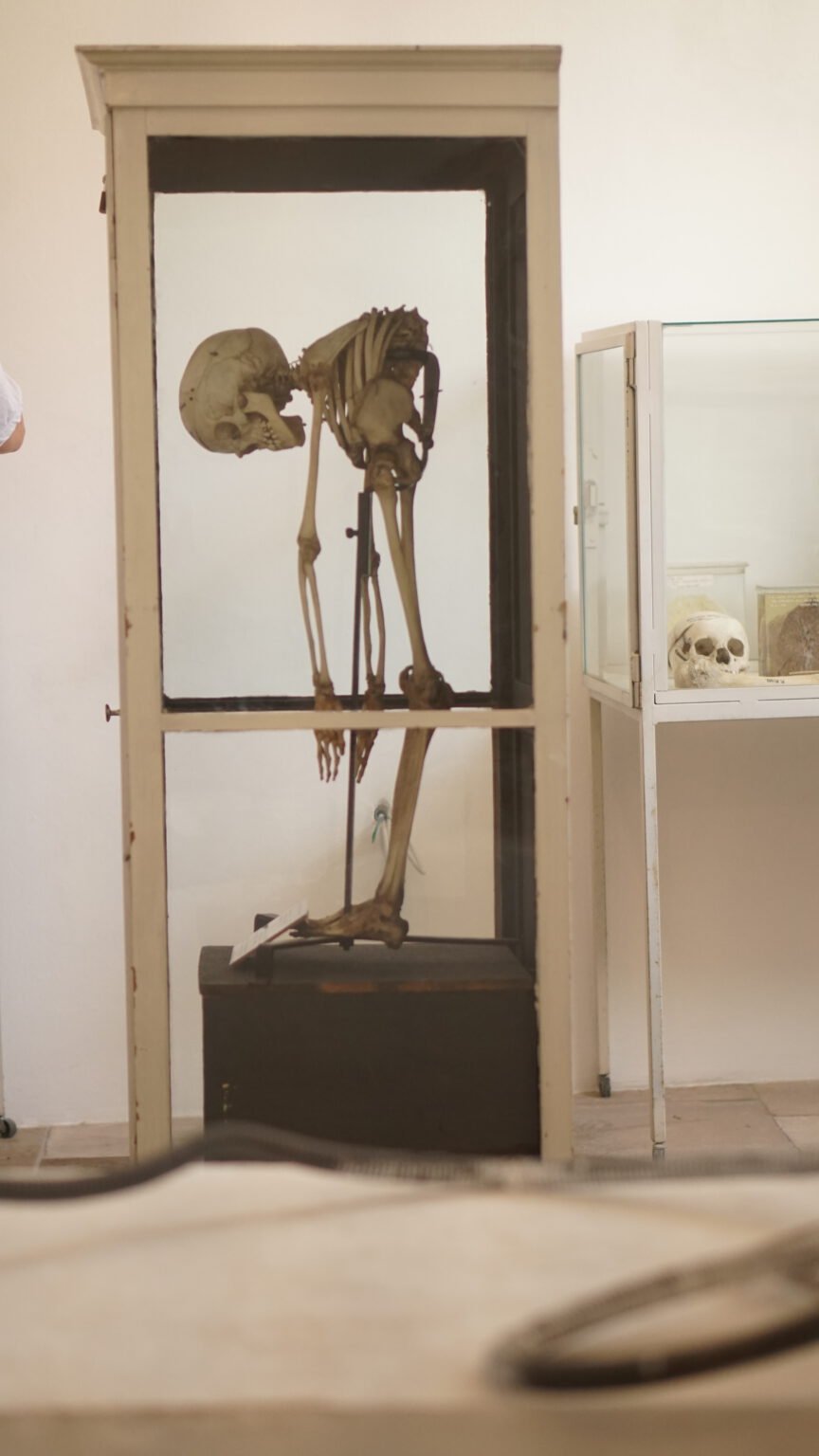
190917010161
Hyperkyphosis
2016
Inkjet print on fineart canvas.
UNIQUE 115cm X 200cm
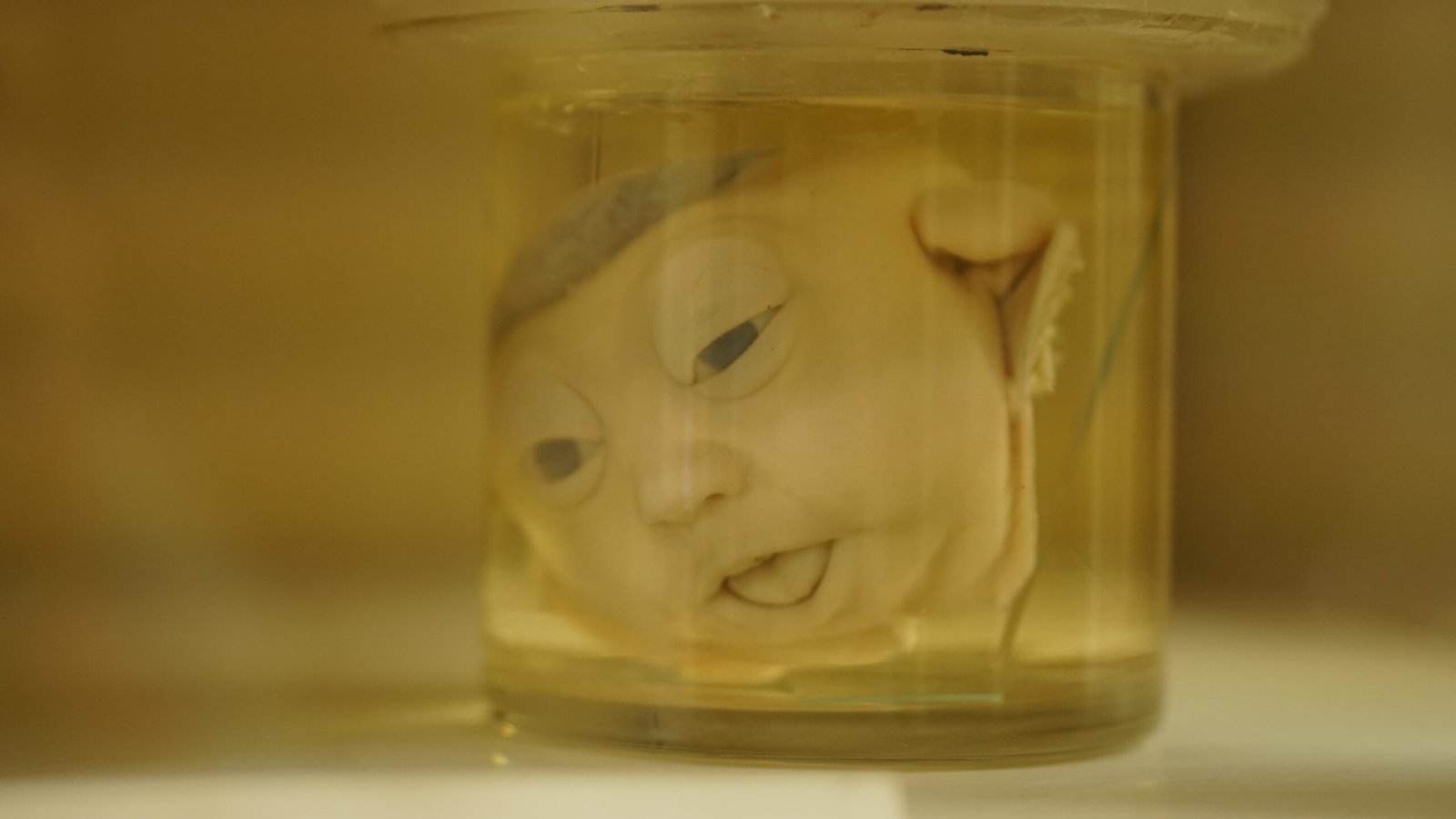
190917010146
Devil’s head
2019
Inkjet print on fineart canvas.
UNIQUE 115cm X 200cm
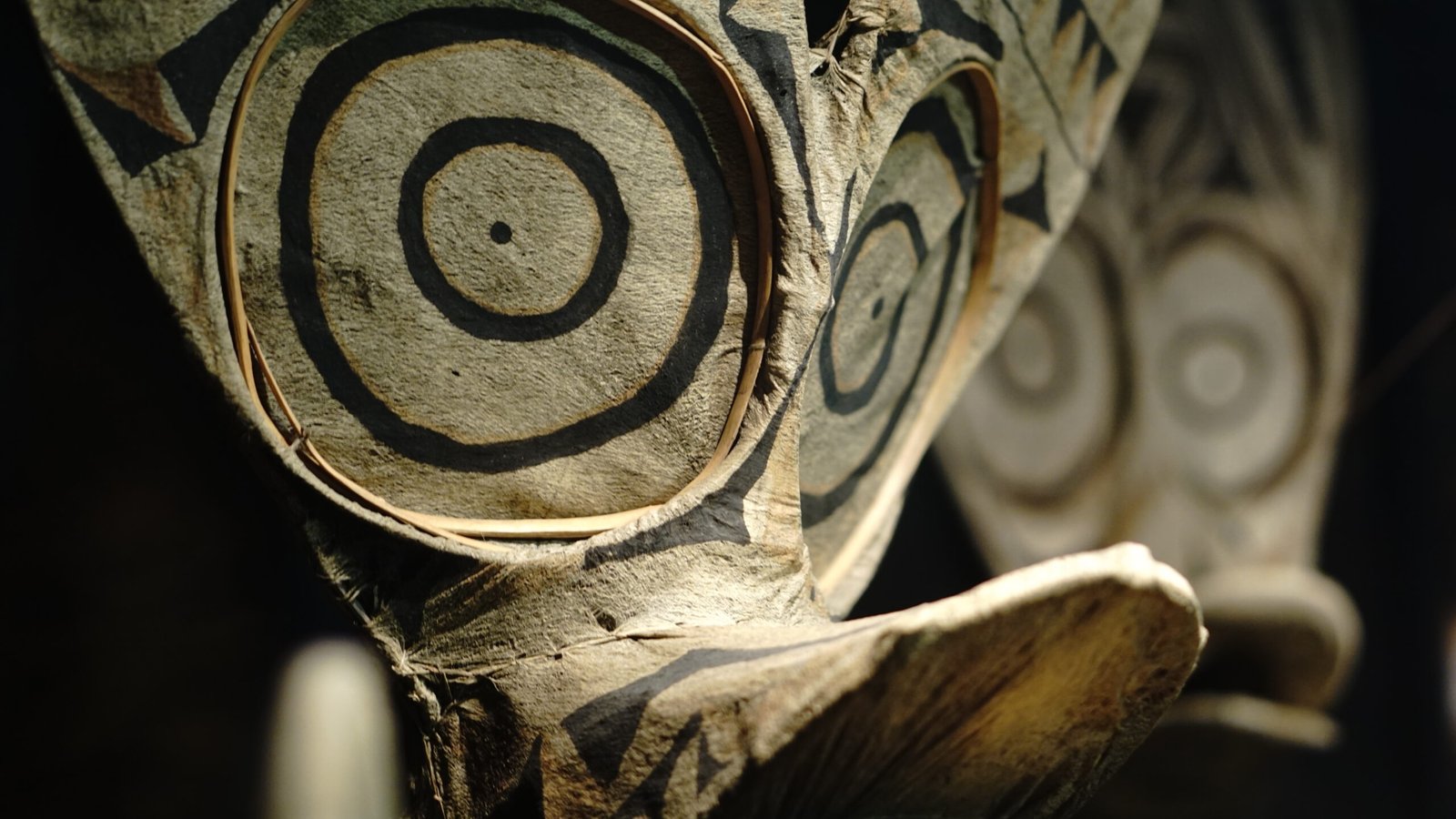
240401010189
Shaman’s Mask
2024
Inkjet print on fineart canvas.
UNIQUE 115cm X 200cm
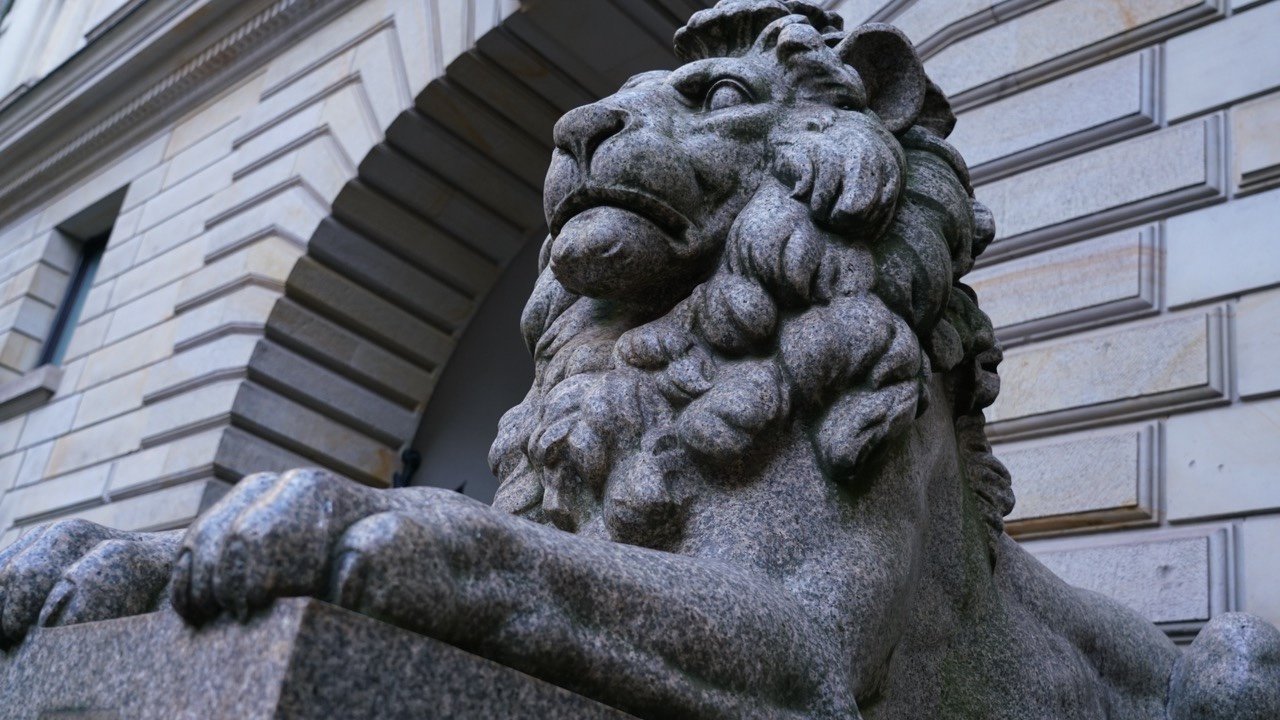
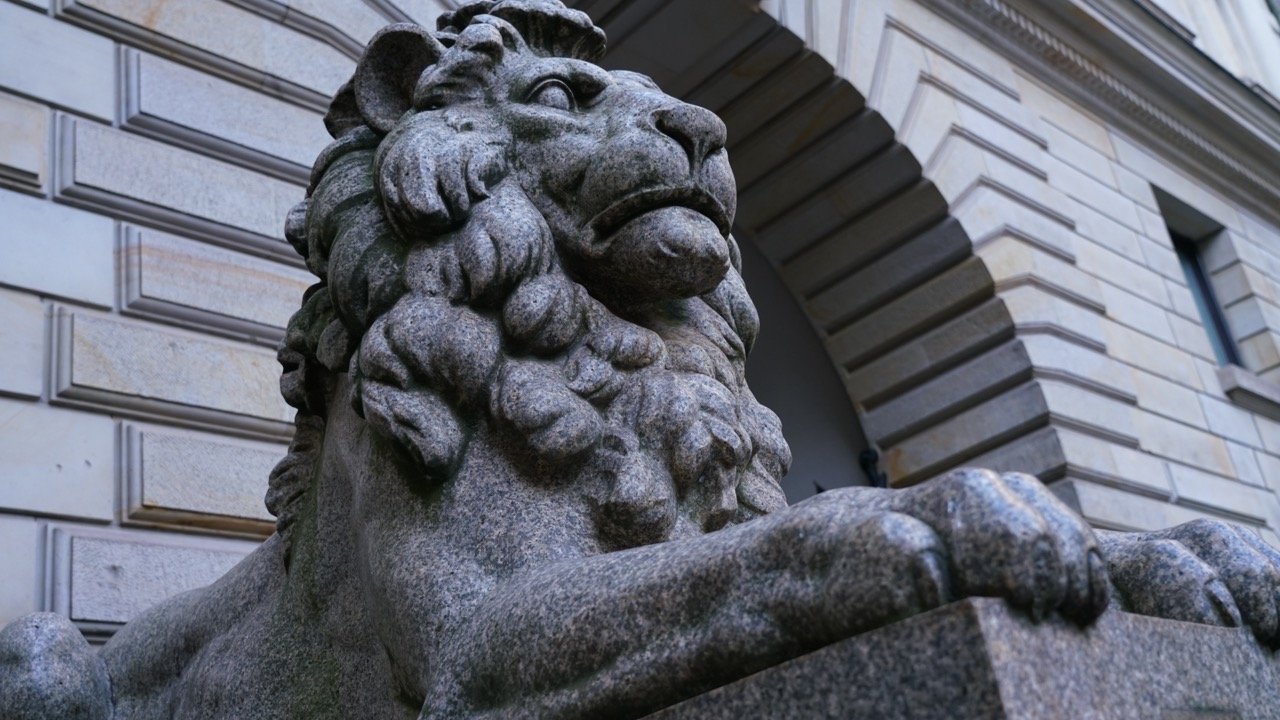
250201013620
Lion’s Gate DYPTICH PLATE2
2025
Inkjet print on fineart canvas.
UNIQUE 115cm X 200cm
250201013620mirrored
Lion’s Gate DYPTICH PLATE2
2025
Inkjet print on fineart canvas.
UNIQUE 115cm X 200cm
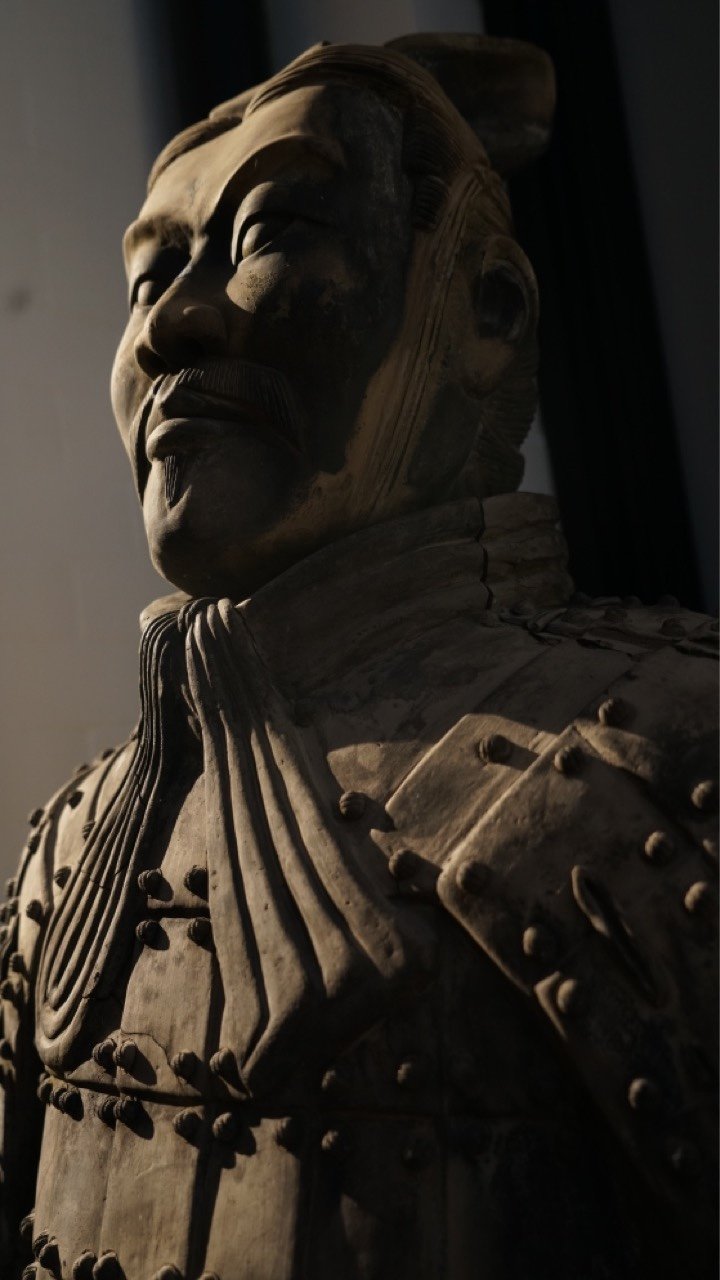
240401010189
Ō-yoroi Samurai. DYPTICH PLATE1
General of the Rising Sun in battle attire.
2024
Inkjet print on fineart canvas.
UNIQUE 115cm X 200cm
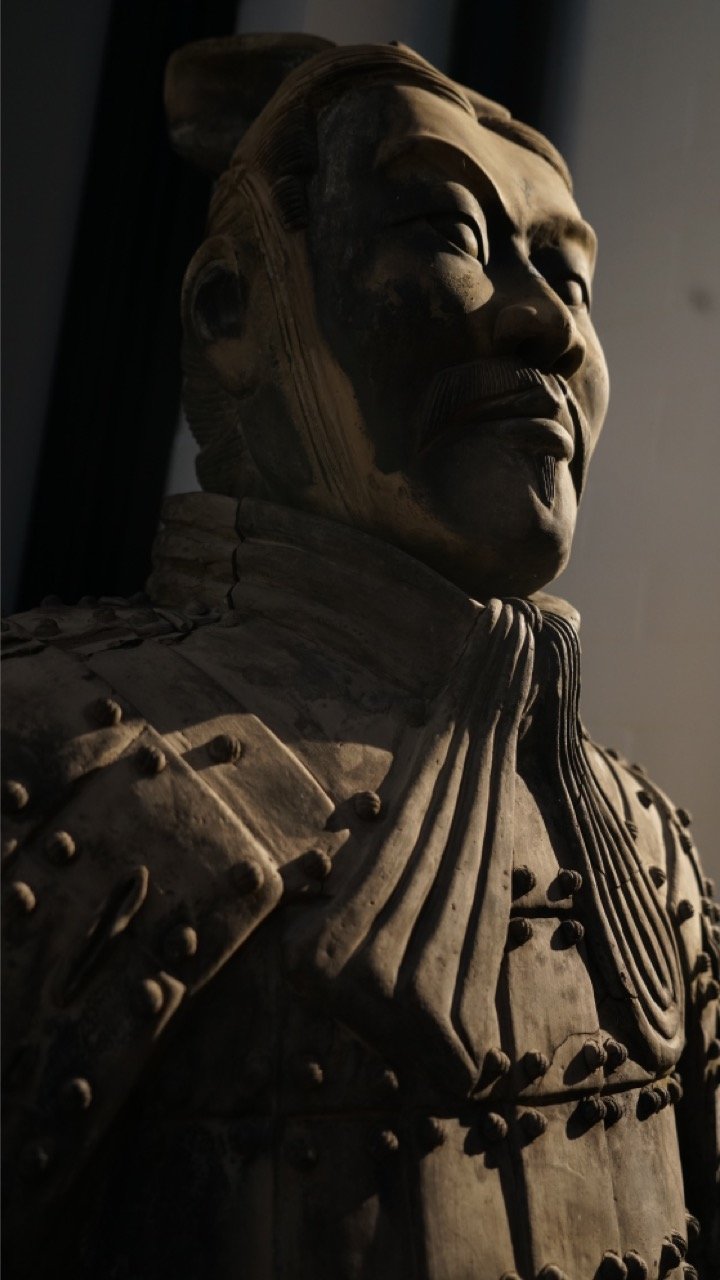
240401010189mirrored
Ō-yoroi Samurai. DYPTICH PLATE2
General of the Rising Sun in battle attire.
2024
Inkjet print on fineart canvas.
UNIQUE 115cm X 200cm
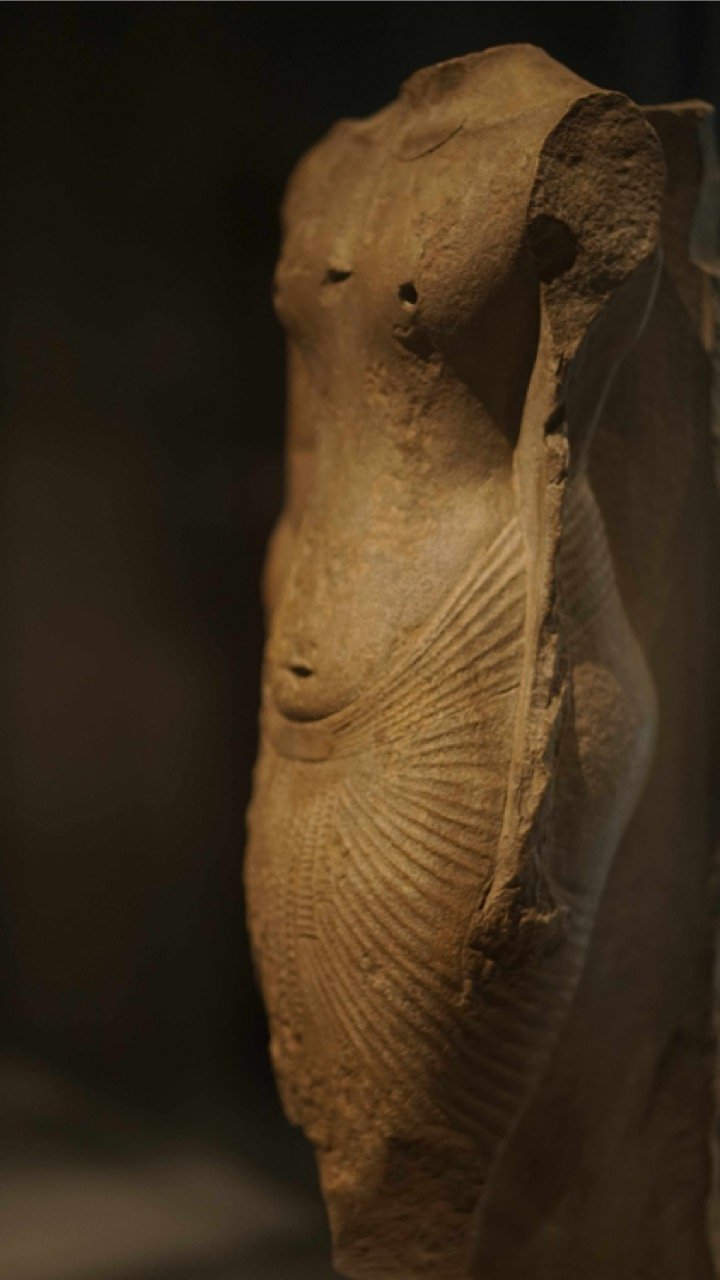
180921010169
3500 Years of Marvel Fashion
2018
Inkjet print on fineart canvas.
UNIQUE 115cm X 200cm
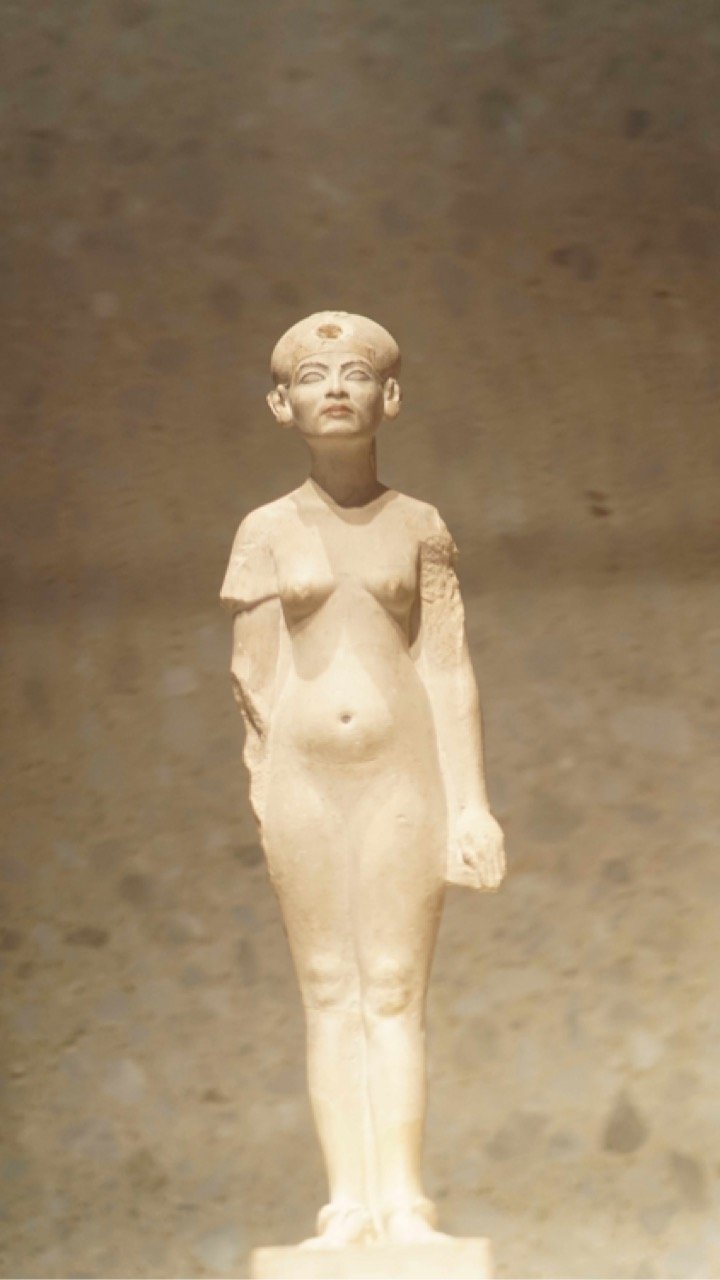
180921010181
Nefereti (nofretete) 1350BC
2018
Inkjet print on fineart canvas.
UNIQUE 115cm X 200cm
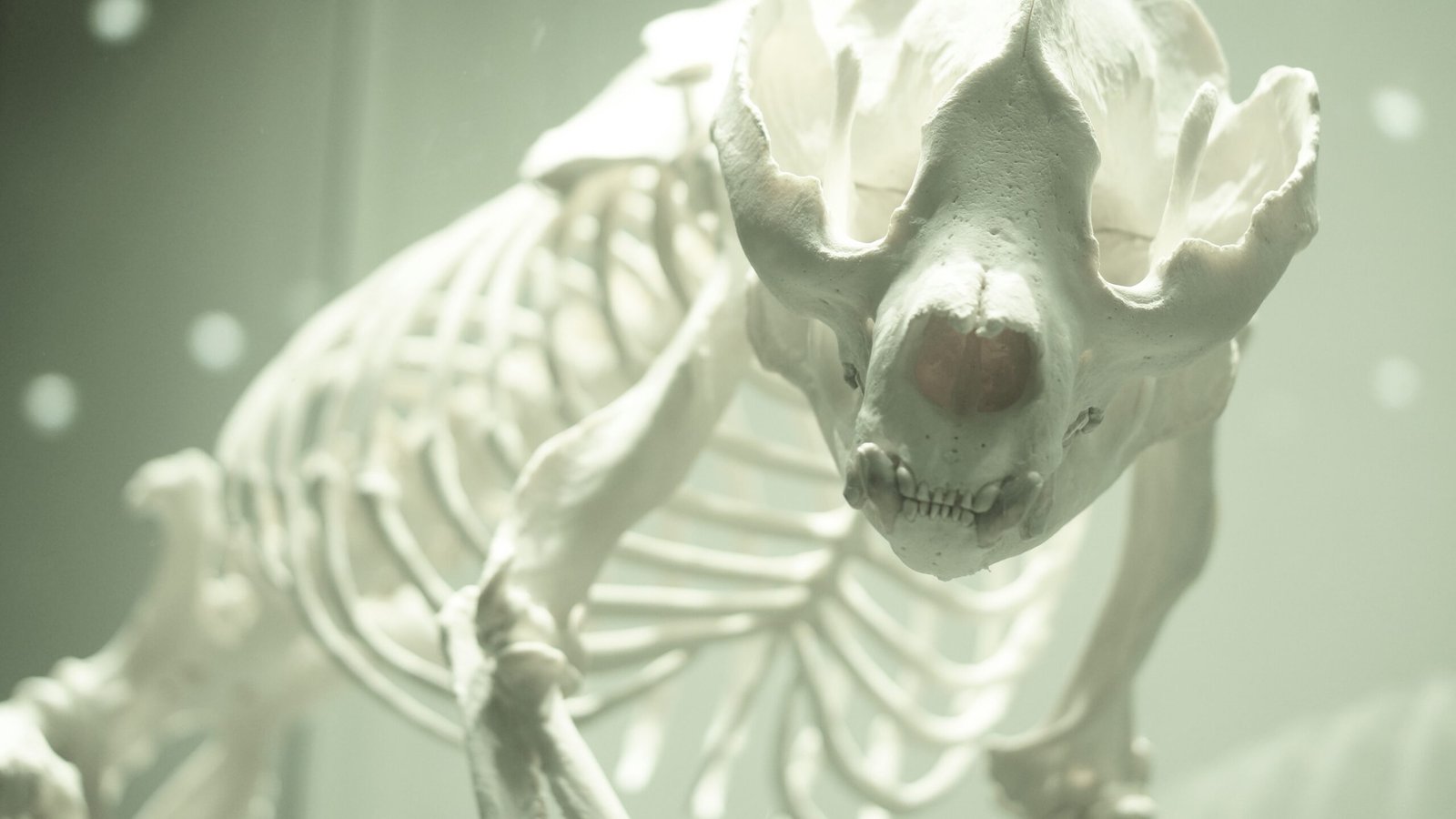
160516010805
BEAST of the East
2016
Inkjet print on fineart canvas.
UNIQUE 115cm X 200cm
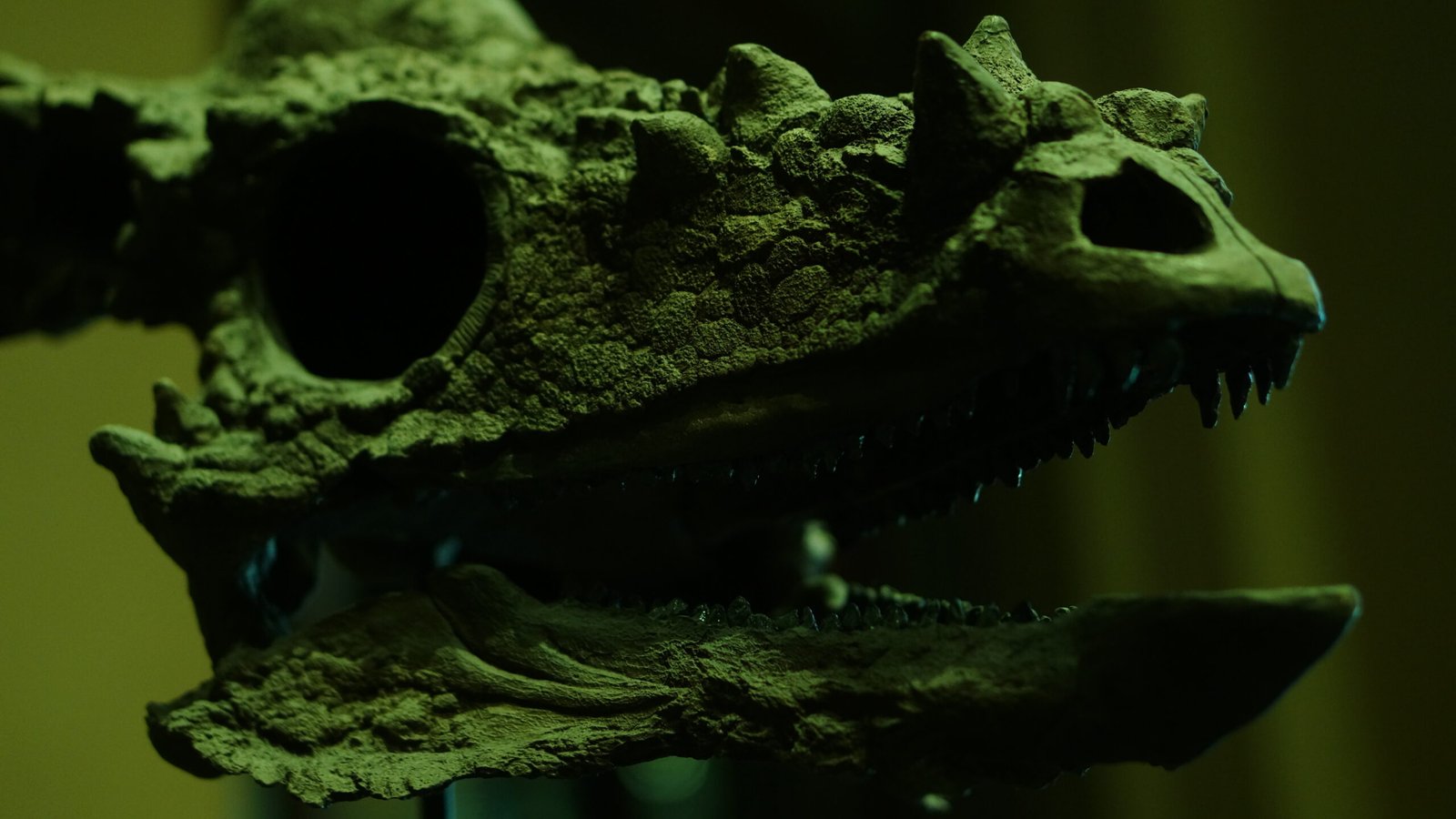
160516010742
Monster
2016
Inkjet print on fineart canvas.
UNIQUE 115cm X 200cm
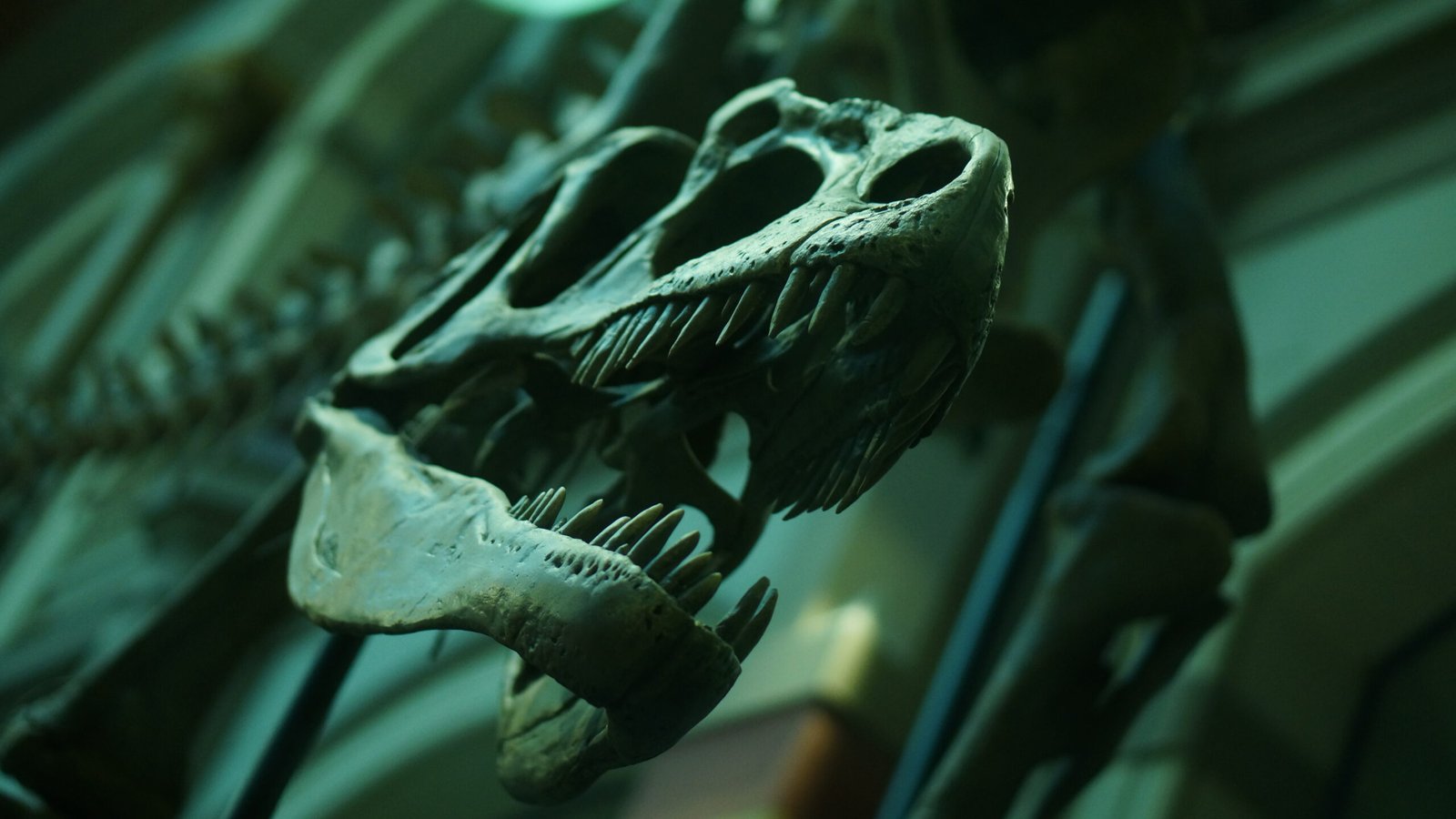
160516010664
Allosaurus
150 Mio Years.
2016
Inkjet print on fineart canvas.
UNIQUE 115cm X 200cm
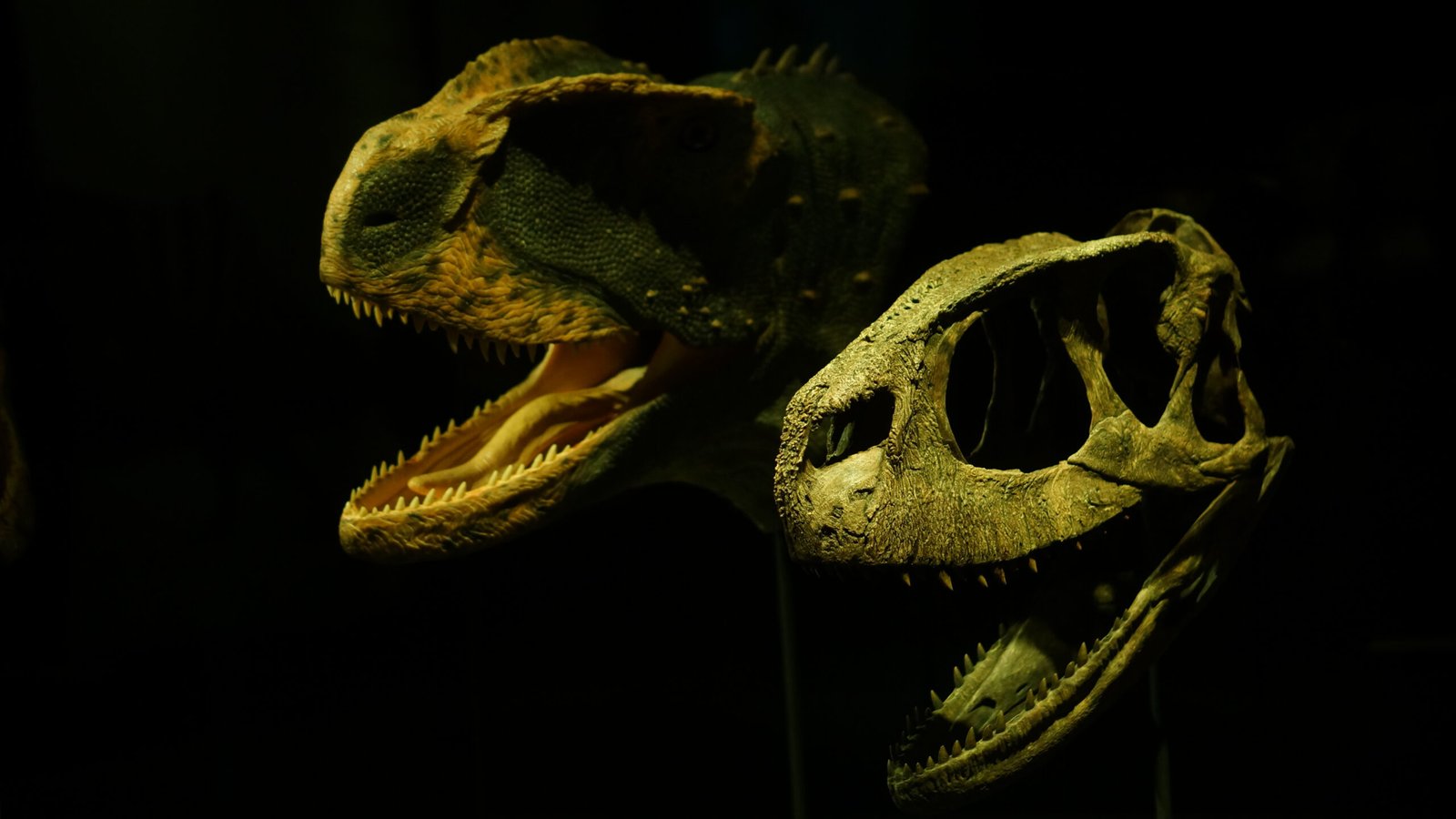
160516011638
Nanosaurus
2016
Inkjet print on fineart canvas.
UNIQUE 115cm X 200cm
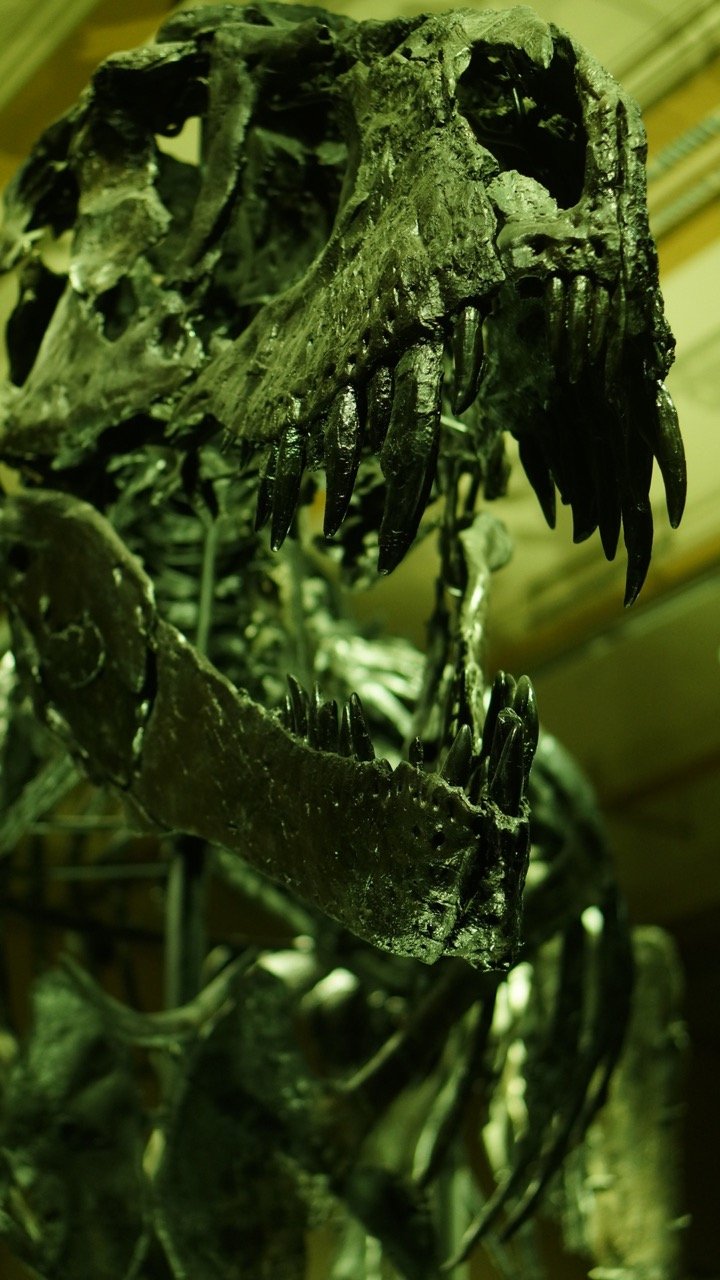
160516011350
T-REX. Tristan Otto
Upper Cretaceous period 66mio. yrs.
2016
Inkjet print on fineart canvas.
UNIQUE 115cm X 200cm
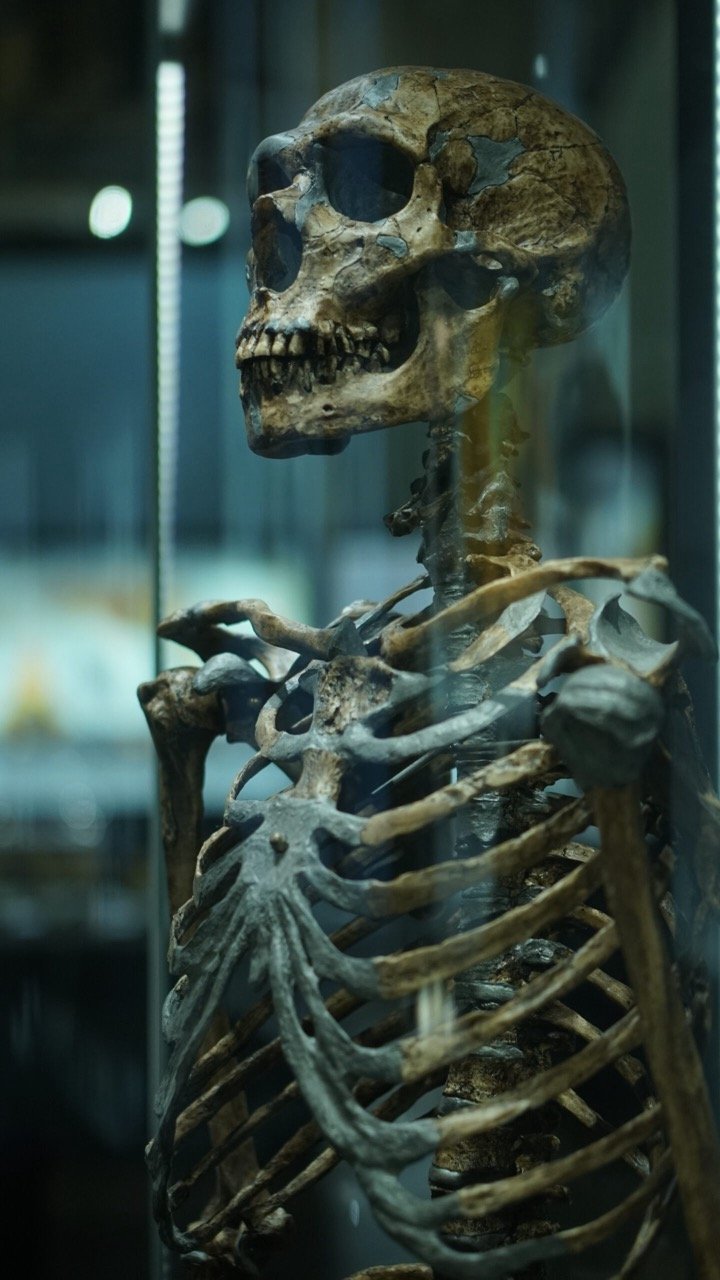
180519011289
Great great great great grandma
2018
Inkjet print on fineart canvas.
UNIQUE 115cm X 200cm
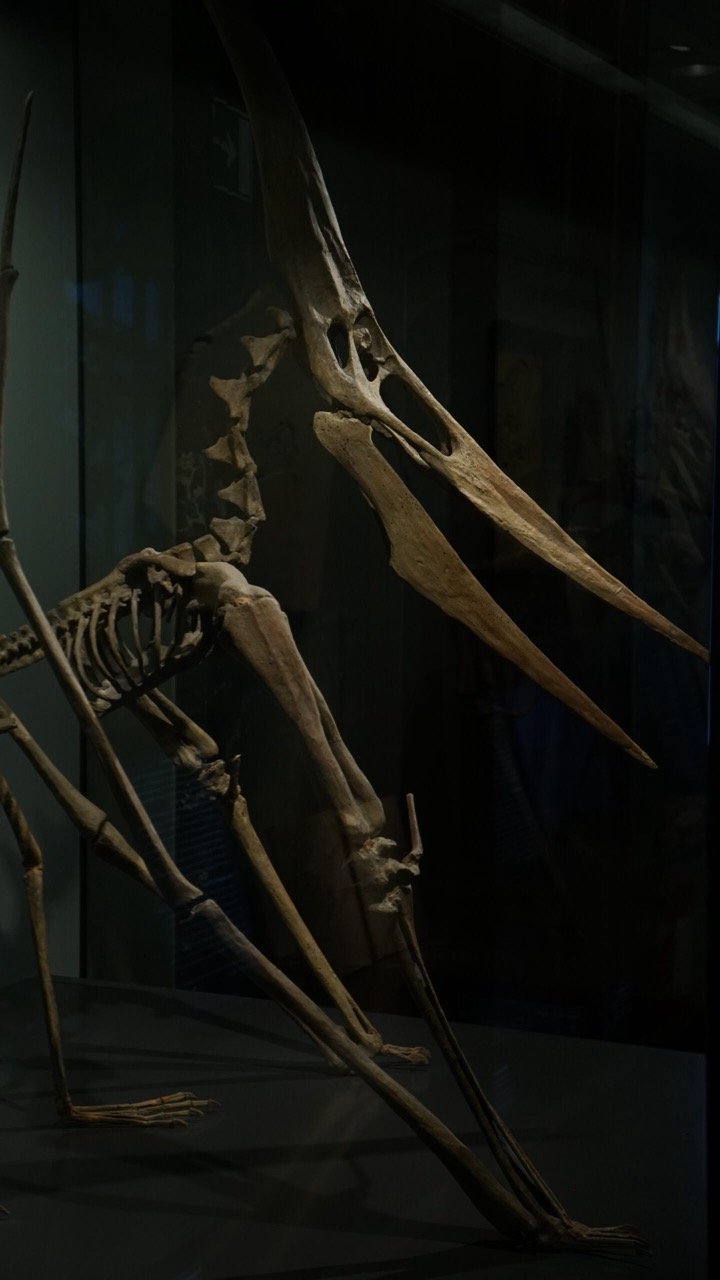
19091701033
Dinosaur
2019
Inkjet print on fineart canvas.
UNIQUE 115cm X 200cm
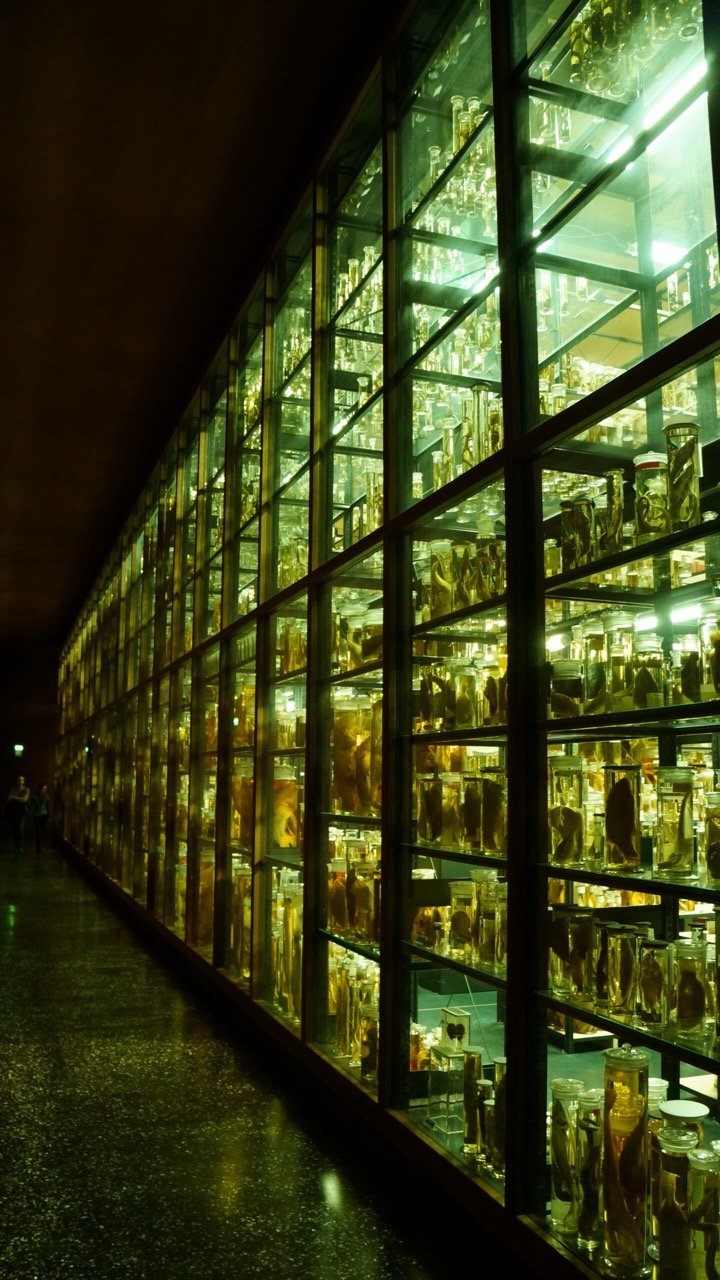
160516011274
Collector’s marvel
2016
Inkjet print on fineart canvas.
UNIQUE 115cm X 200cm
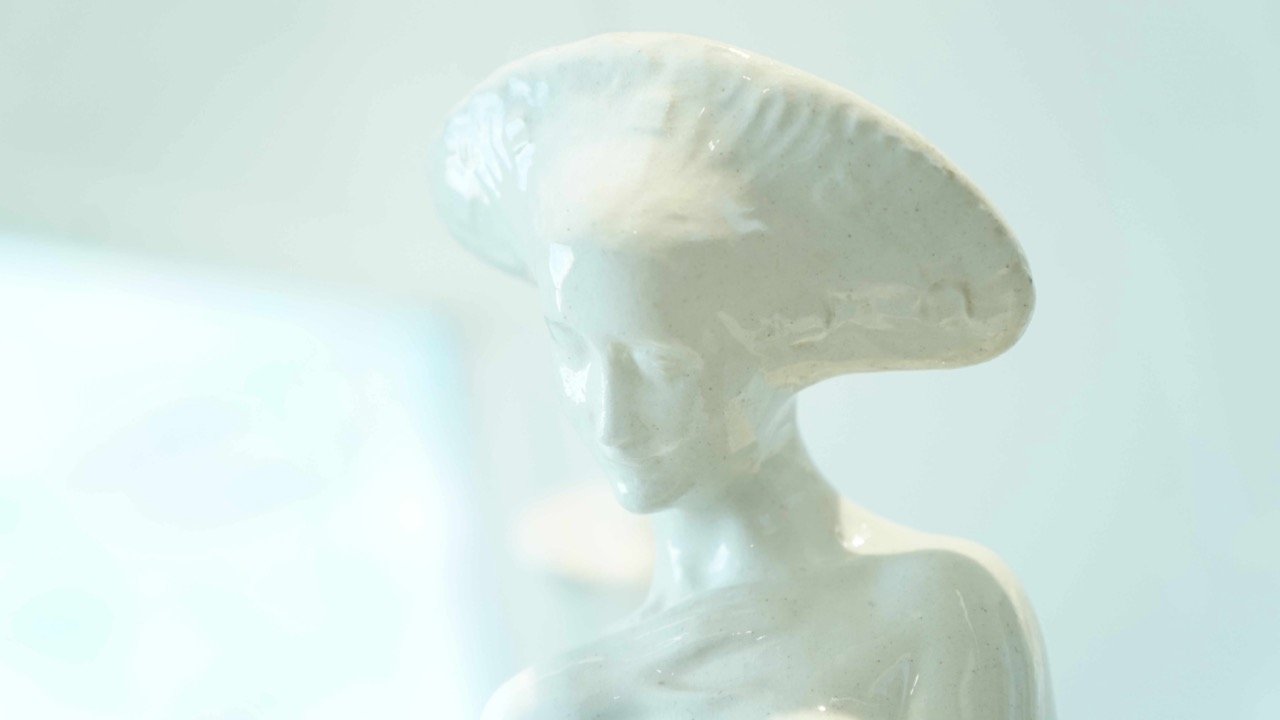
190917010992
HIgh and Noble
2019
Inkjet print on fineart canvas.
UNIQUE 115cm X 200cm
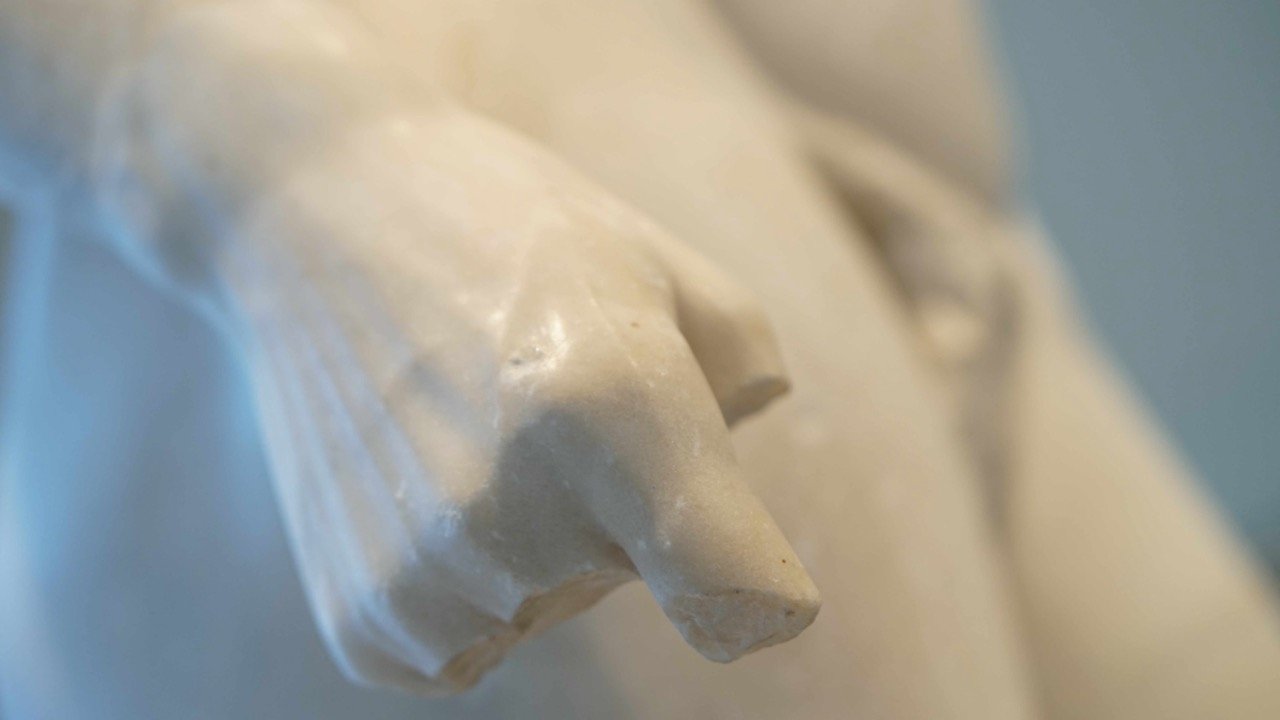
180921010456
Broken Fingers
2018
Inkjet print on fineart canvas.
UNIQUE 115cm X 200cm
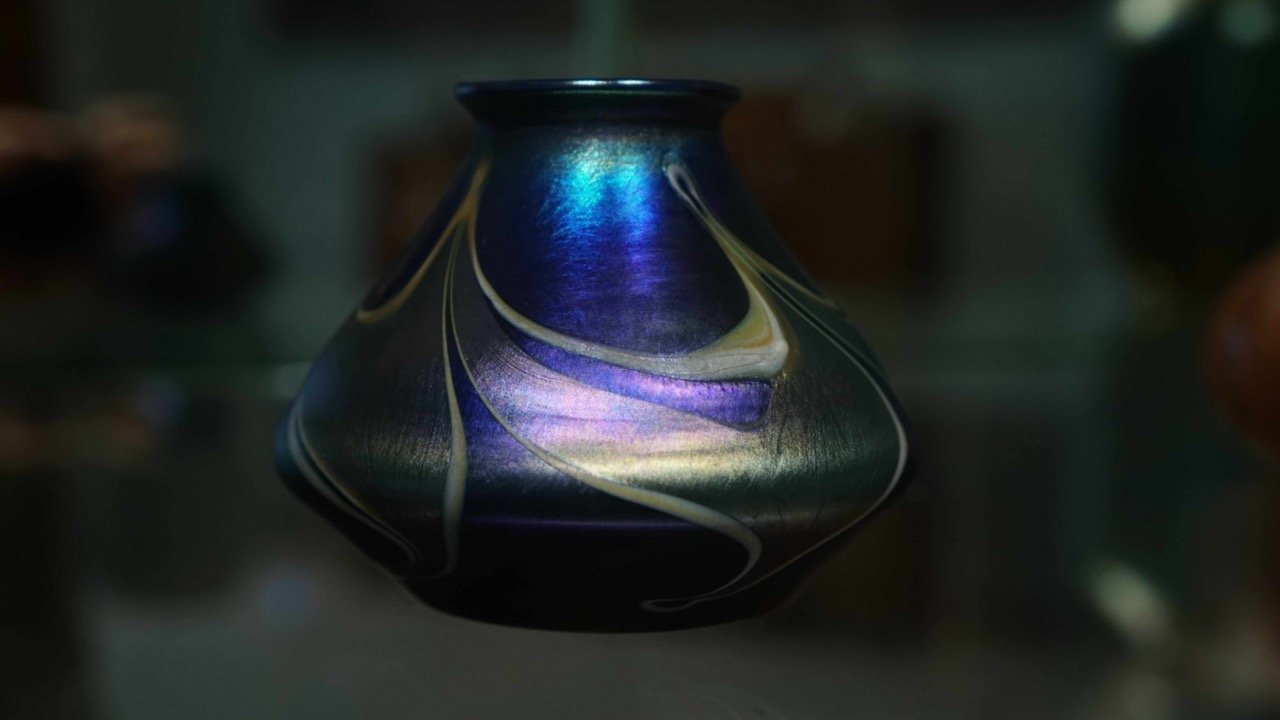
200722010518
First Shine
2020
Inkjet print on fineart canvas.
UNIQUE 115cm X 200cm
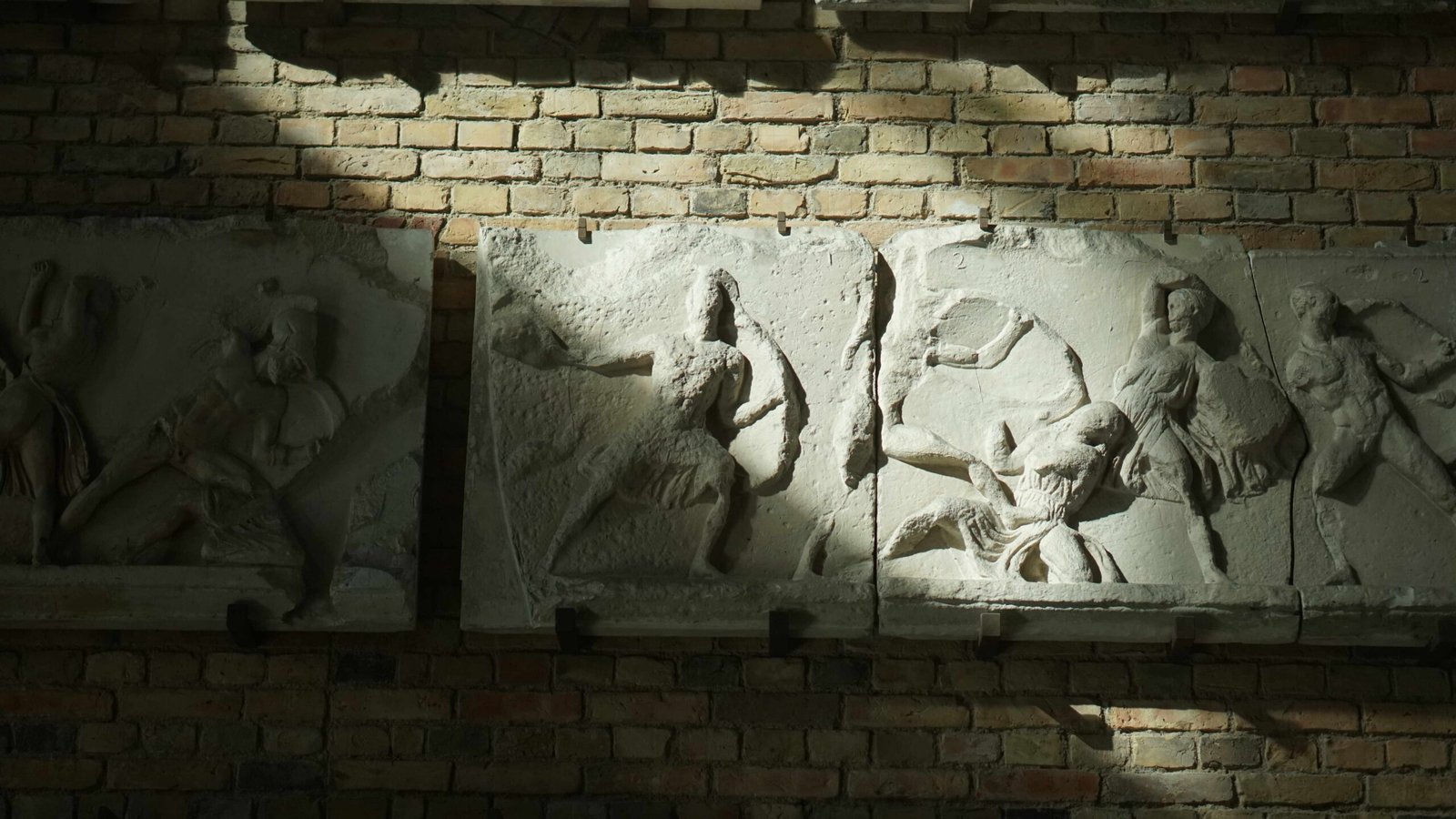
180921010111
Marble frieze of the Pergamon altar
The gods versus the giants. 100B.C.
2018
Inkjet print on fineart canvas.
UNIQUE 115cm X 200cm
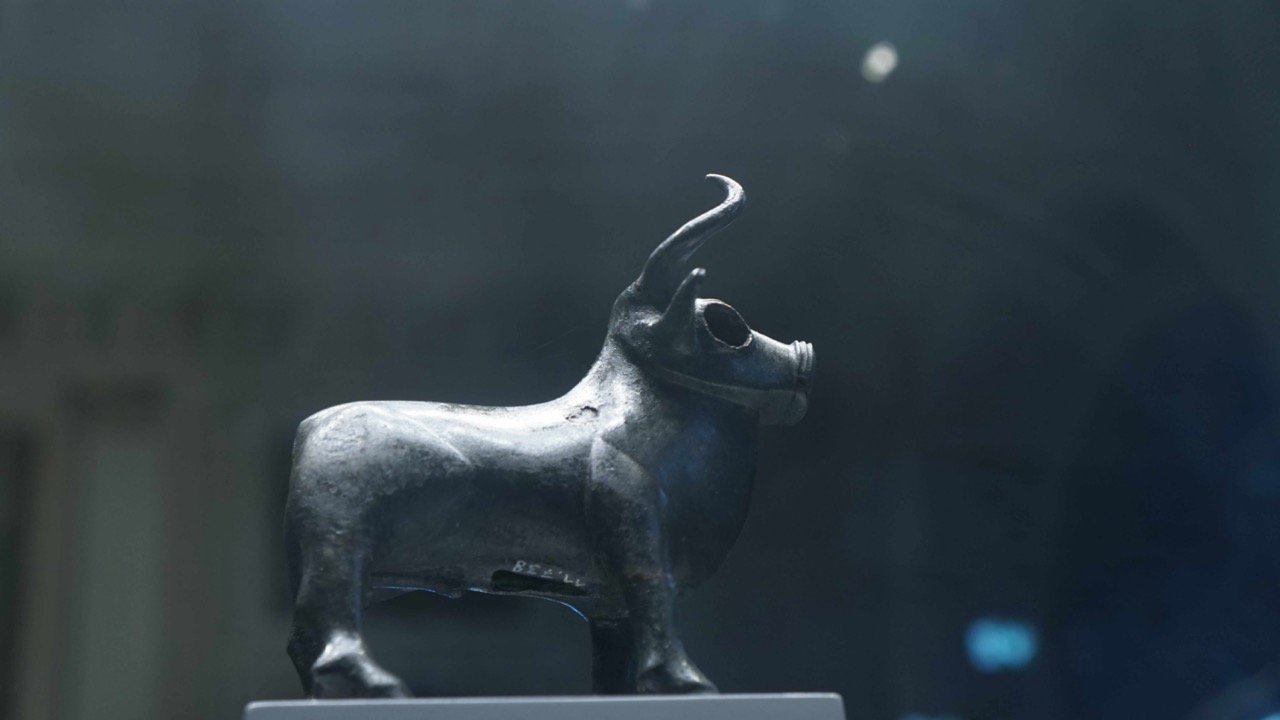
190917010354
Bull Relique Thousands of Years
2019
Inkjet print on fineart canvas.
UNIQUE 115cm X 200cm
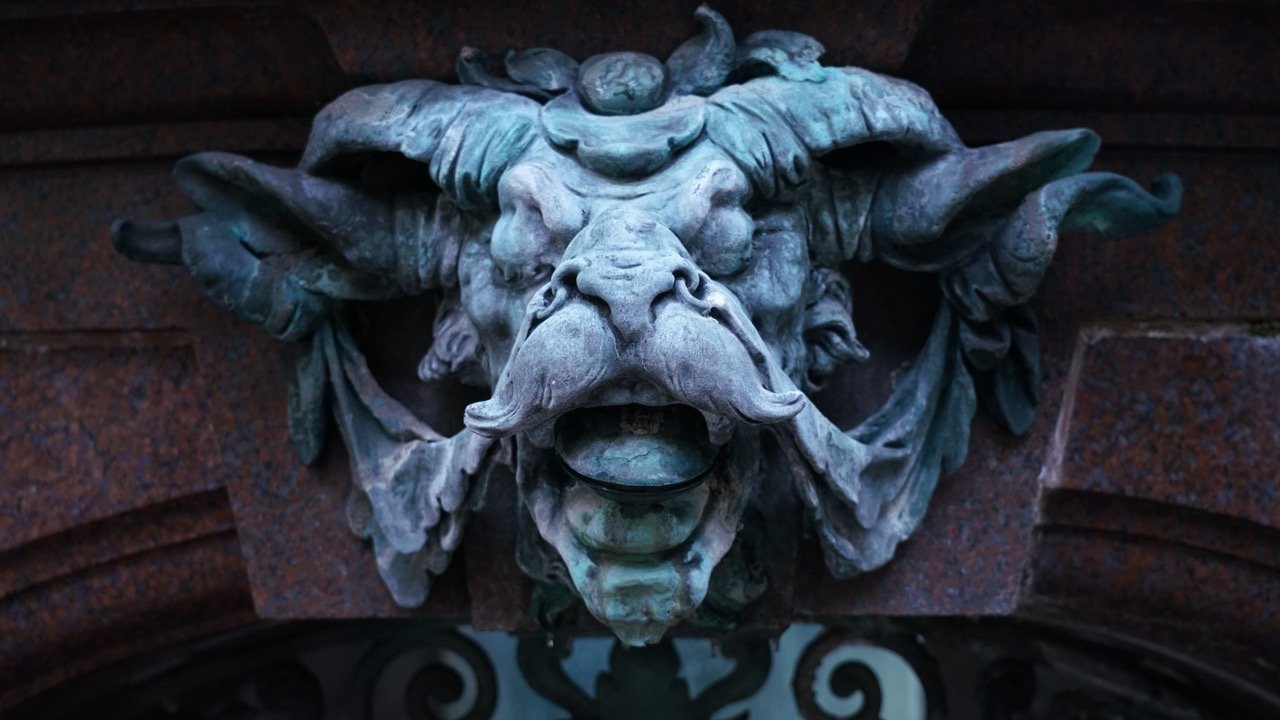
2502010134
Beast 2 Fountain Head
2025
Inkjet print on fineart canvas.
UNIQUE 115cm X 200cm
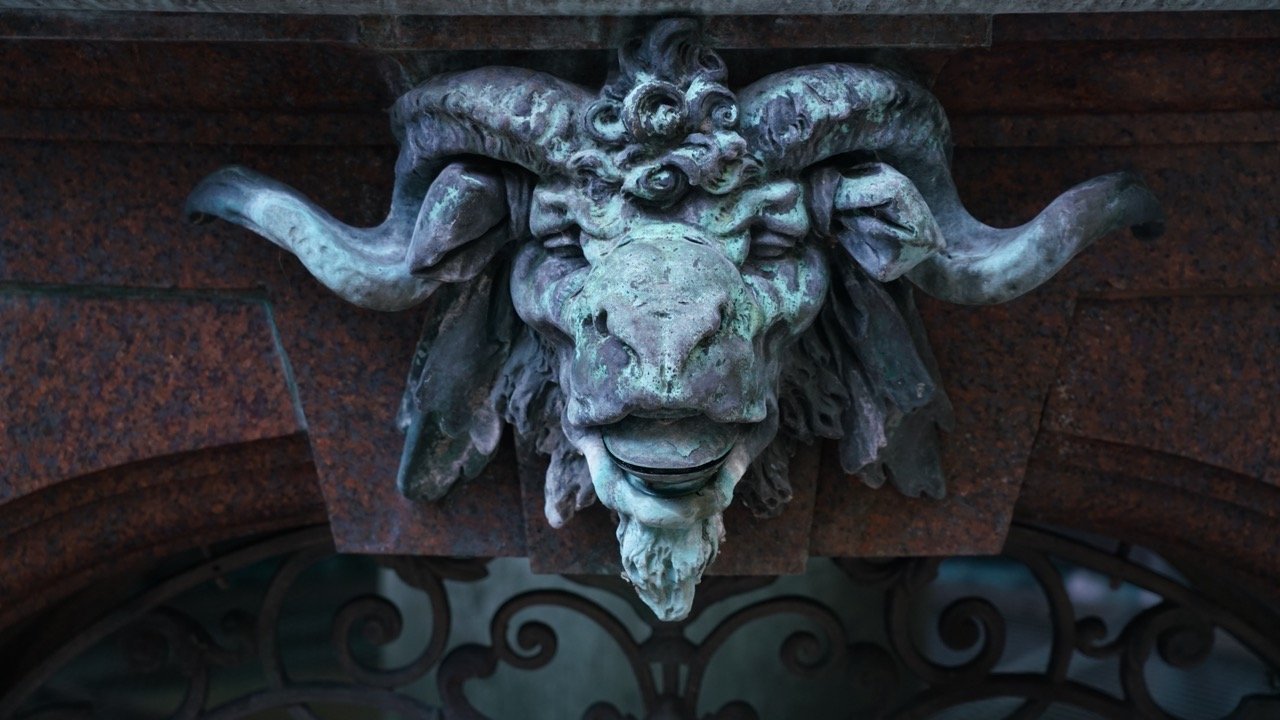
250201013421
Beast 2 Fountain Head
2025
Inkjet print on fineart canvas.
UNIQUE 115cm X 200cm
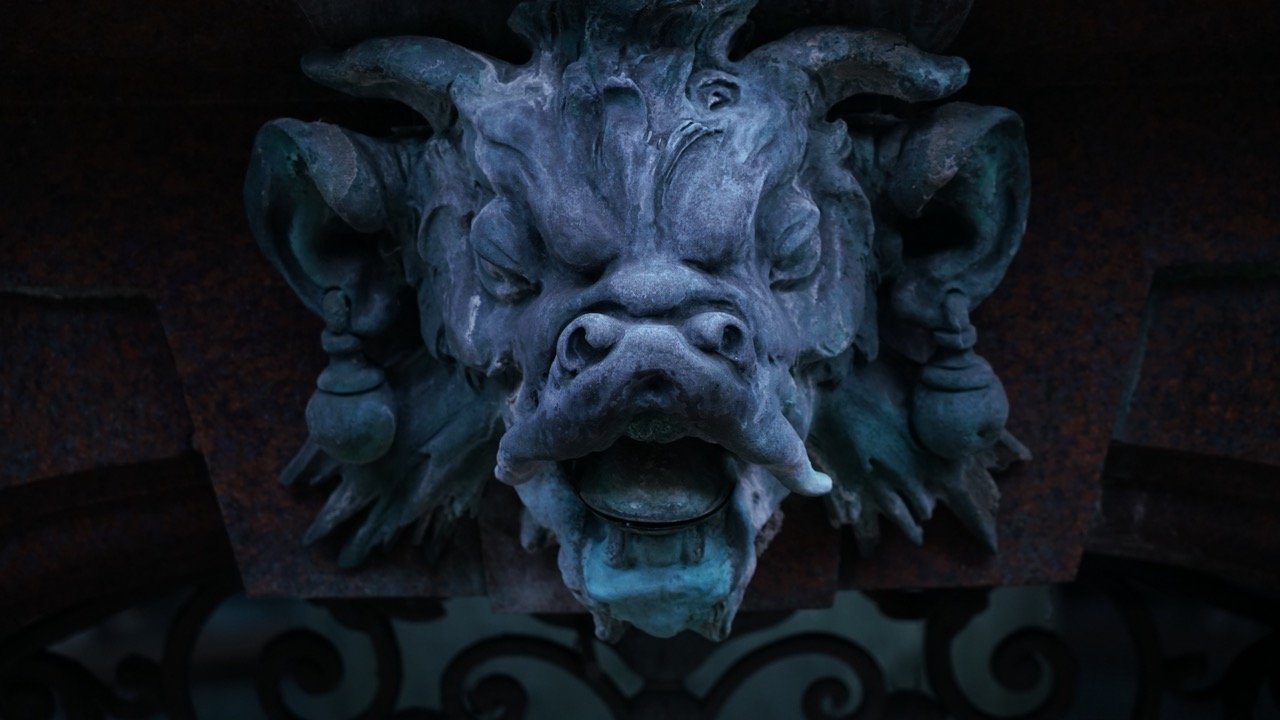
2250201013497
Beast3 Fountain Head
2025
Inkjet print on fineart canvas.
UNIQUE 115cm X 200cm
TECHNOTES
Editions:
UNIQUE WORKS: Large format prints on Hahnemühle fine art canvas, mounted on wooden frame.
LIMITED EDITIONS: Prints on museum-grade photo- paper.
TECHNICAL APPROACH | IN-CAMERA-RESULTS*:
Photography is chosen here for its capacity to feel real — not as documentation, but as presence.
As paintings, these images would read as interpretations;
as AI-generated visuals, they could be dismissed as constructions. Photography resists both. It insists on contact.
That insistence matters. The atmosphere of an image — its emotional weight, its quiet credibility — depends on our trust that it is grounded in reality.
Photography creates authenticity not by explaining, but by being: by holding space and allowing an image to feel present rather than performed.
* Minimal post-production is maybe used, but strictly align with classical photojournalistic rules.
soon more…
soon more…
sooin more…
CYCLE-3 ANCHOR
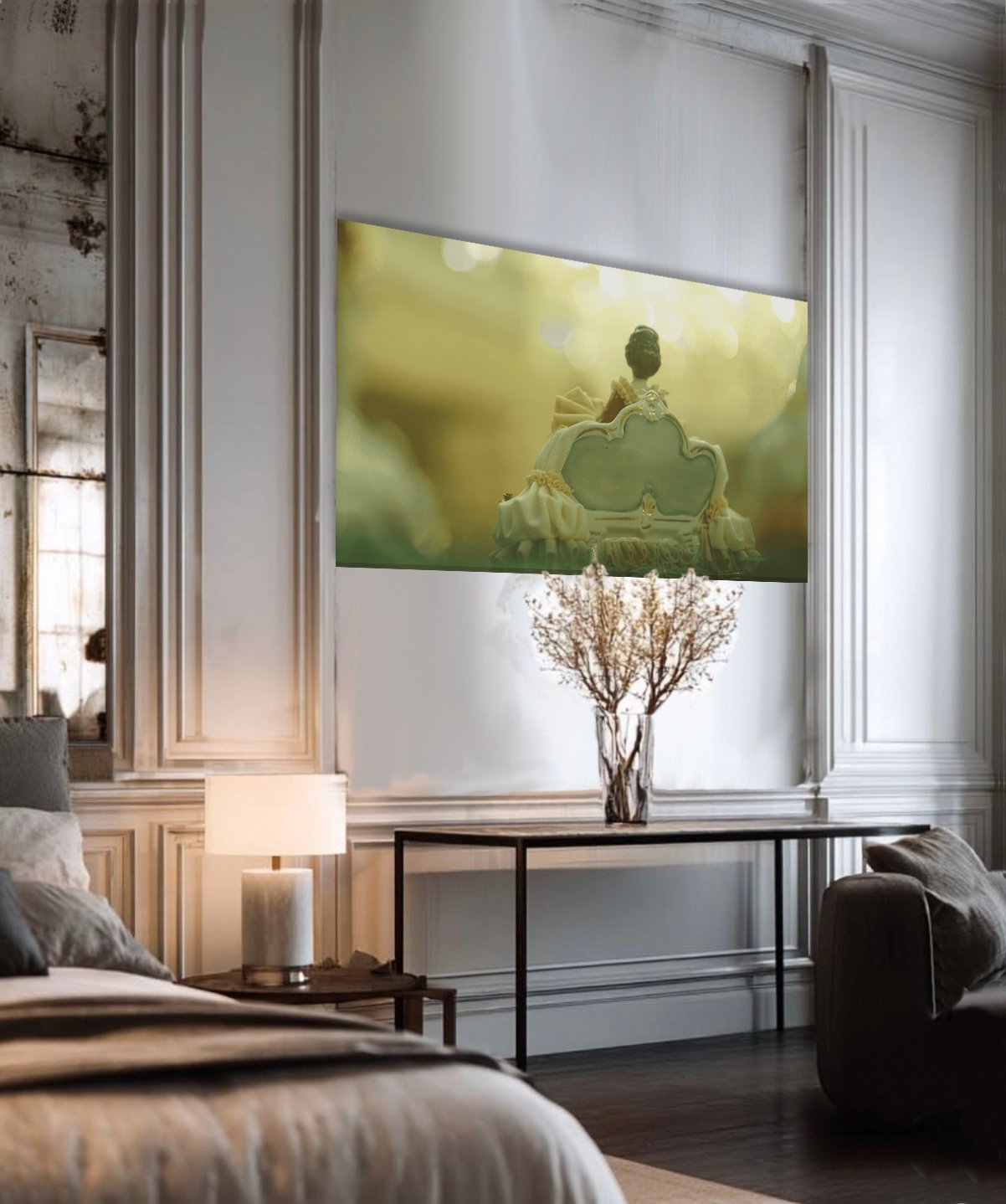
IF JEFF CAN THEN IT MUST BE OK.
If Jeff Can Then It Must Be OK challenges established notions of taste and worth, asking what it means to legitimize art. By presenting these figures both within and beyond institutional contexts,Wang underscores the porous boundaries between high and low culture, and the emotional resonance that persists regardless of context.
This series asserts the enduring significance of the everyday, reclaiming beauty and meaning where it is often overlooked.
This is not irony or satire. It is a reclamation of taste shaped by love, memory, and human experience — a celebration of the everyday precious.
Itsa Bertsy raises a simple question:
If museums can present Jeff Koons without irony,
why can’t we hang also sincere objects on our own walls?
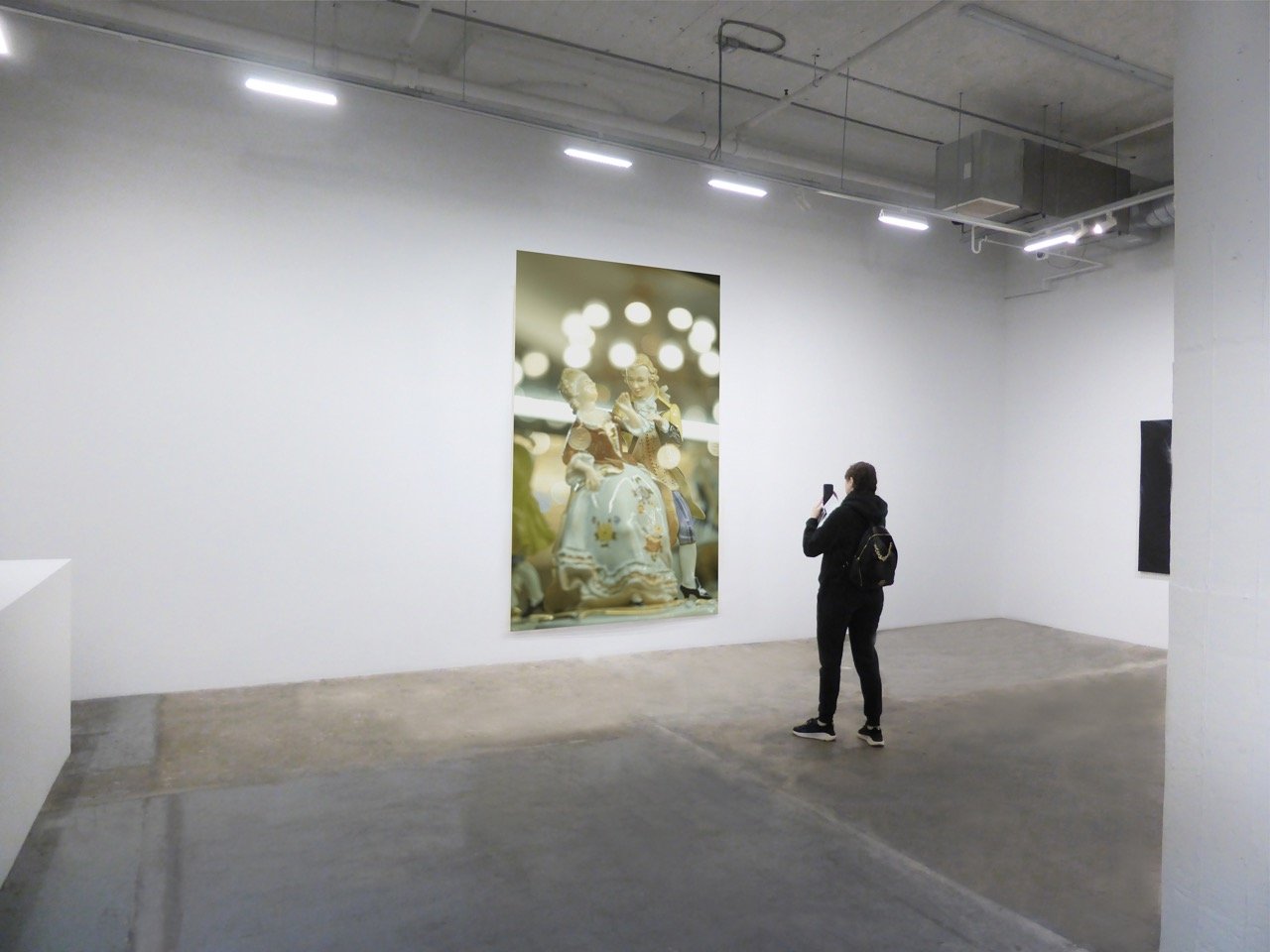
In That’s OK, If Jeff Can, Itsa Bertsy presents a new series of large-format photographs that celebrate the emotional life of ordinary objects — porcelain figurines, mass-produced keepsakes, sentimental tokens found in bedrooms, thrift shops, and family shelves.
These are not ironic trophies or aesthetic oddities. They are things people chose, displayed, loved — quietly and without permission.
Shot with clarity and care, and printed at a scale typically reserved for monument or luxury, these objects shift register.
Bertsy doesn’t exaggerate them — he simply gives them space. In doing so, he asks us not to reconsider their form, but their meaning.
What once fit in the palm now fills the wall.
The title references Jeff Koons not as critique, but as context. If the art world has already accepted mirrored balloon dogs and polished banality — sanctified by scale and theory — then perhaps there’s room, finally, for sincerity
For small things. For affection.
The Value of Feeling isn’t sentimentalism. It’s a reminder that emotion, attachment, and aesthetic instinct aren’t flaws of taste — they’re evidence of it. What Bertsy offers here is not a parody of culture, but a portrait of it.
This is art made from what matters to most people, most of the time. And if that’s OK for Jeff, then maybe it’s OK, finally, for the rest of us too.
This series asserts the enduring significance of the everyday, reclaiming beauty and meaning where it is often overlooked.
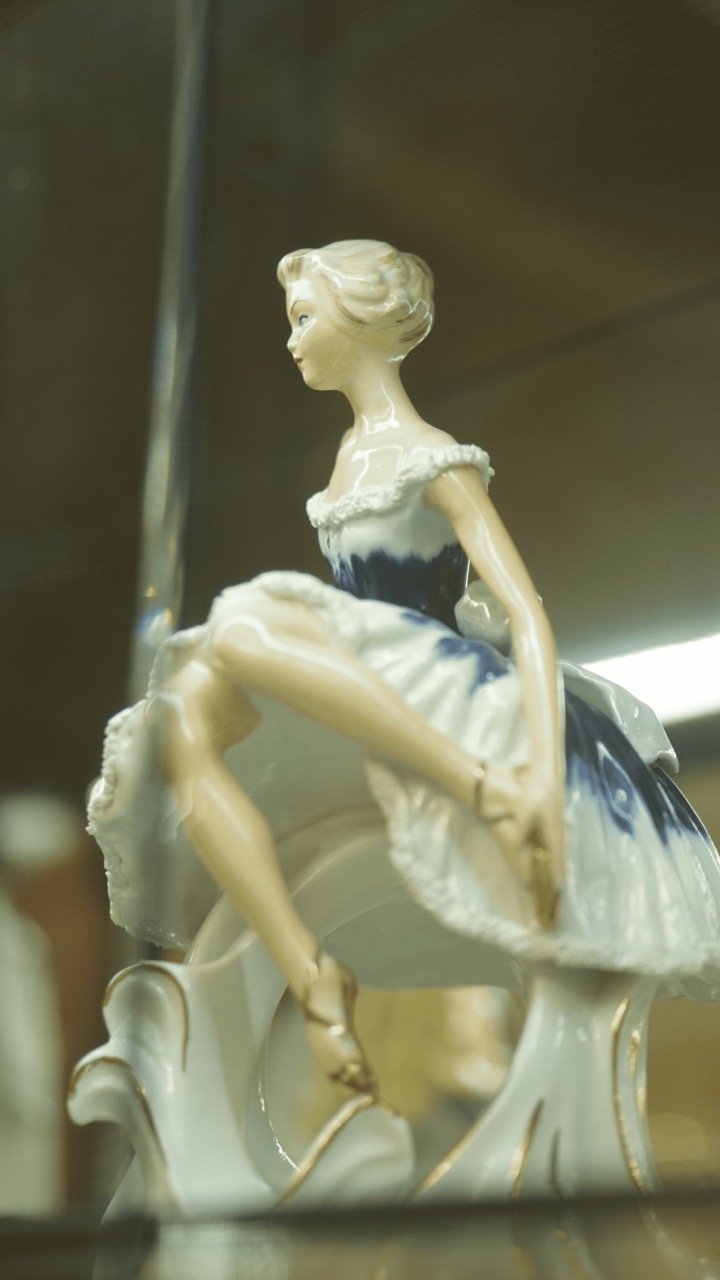
170929010325
Ballerina 1
2017
Inkjet print on fineart canvas.
UNIQUE 115cm X 200cm
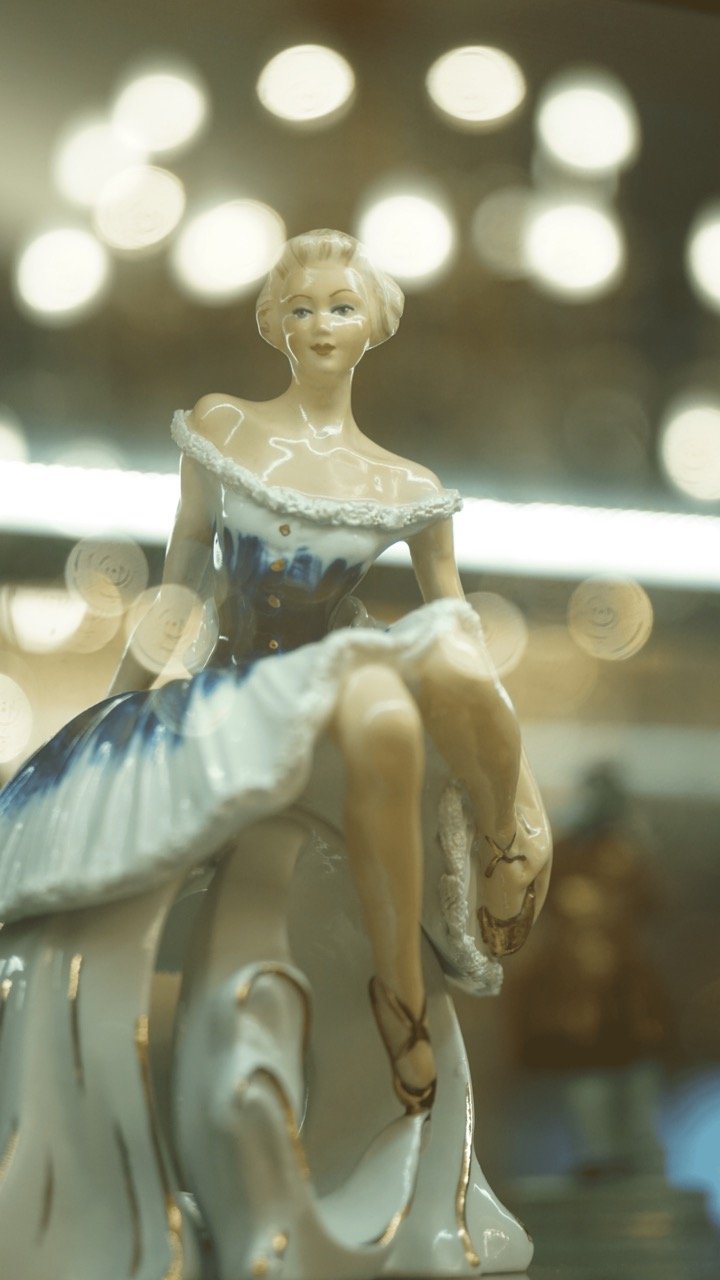
170929010351
Ballerina 2
2017
Inkjet print on fineart canvas.
UNIQUE 115cm X 200cm
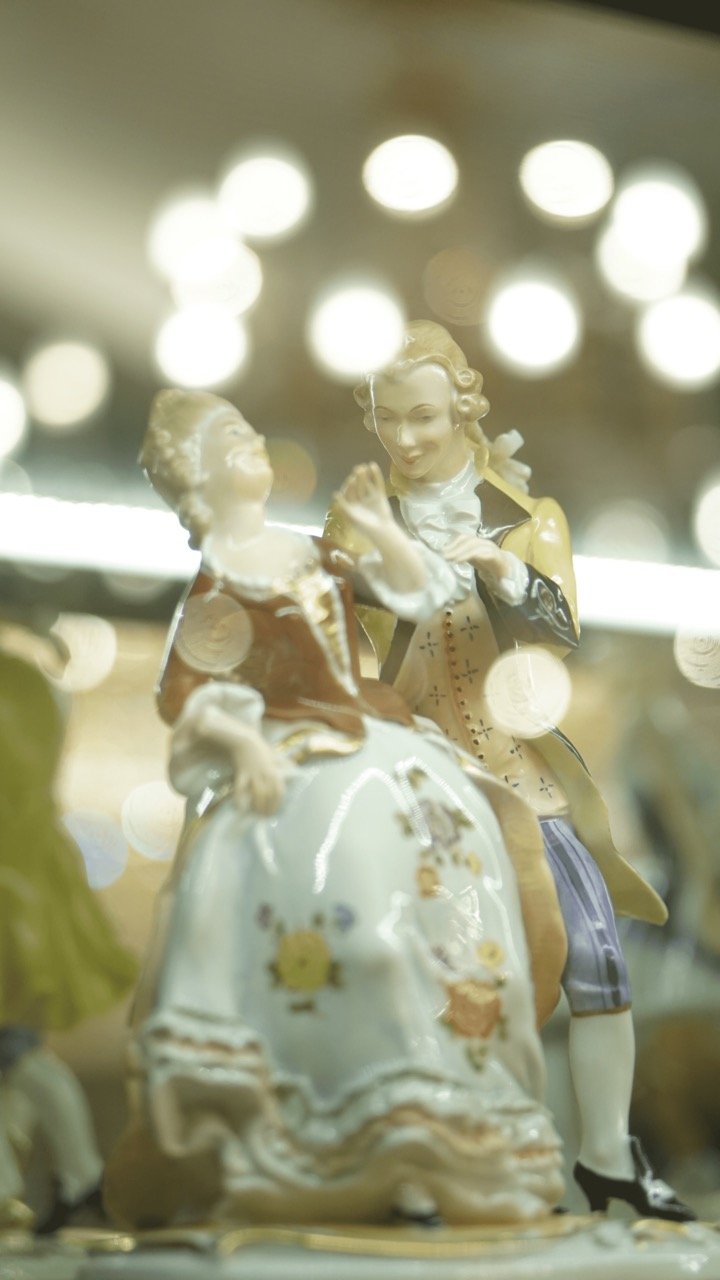
170929010320
Love is Kindness
2017
Inkjet print on fineart canvas.
UNIQUE 115cm X 200cm
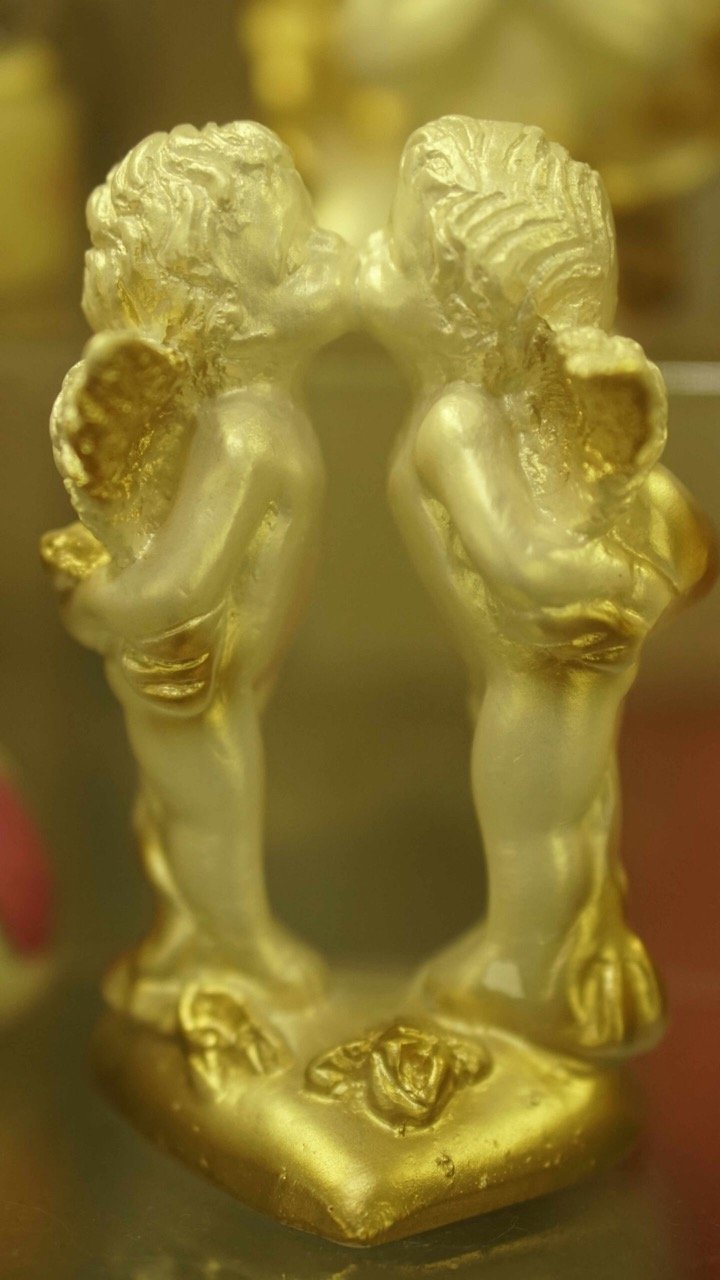
170929010515
An Angel Kissed By An Angel
2017
Inkjet print on fineart canvas.
UNIQUE 115cm X 200cm
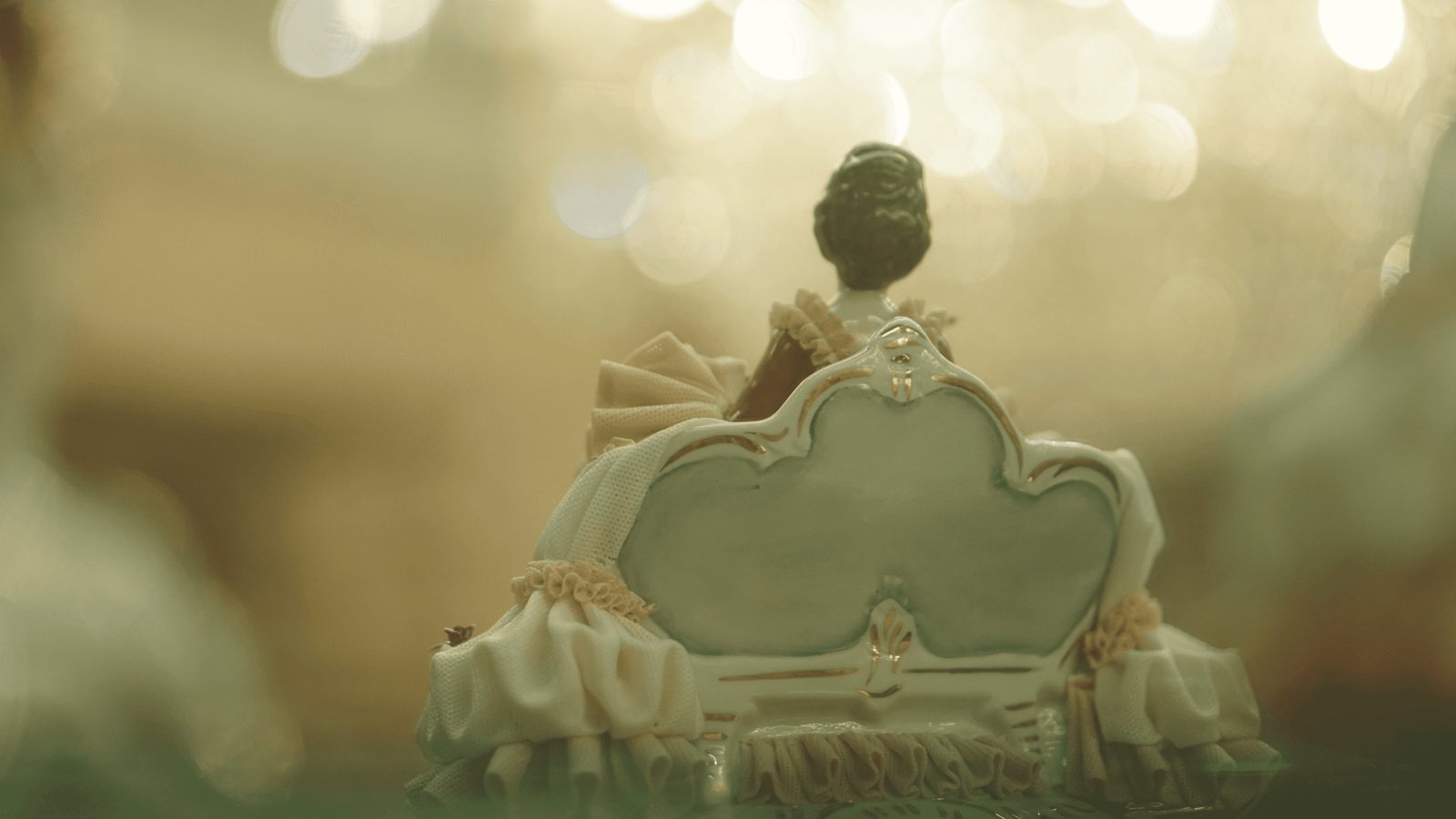
170929010359
Just Waiting For A Friend.
2017
Inkjet print on fineart canvas.
UNIQUE 115cm X 200cm
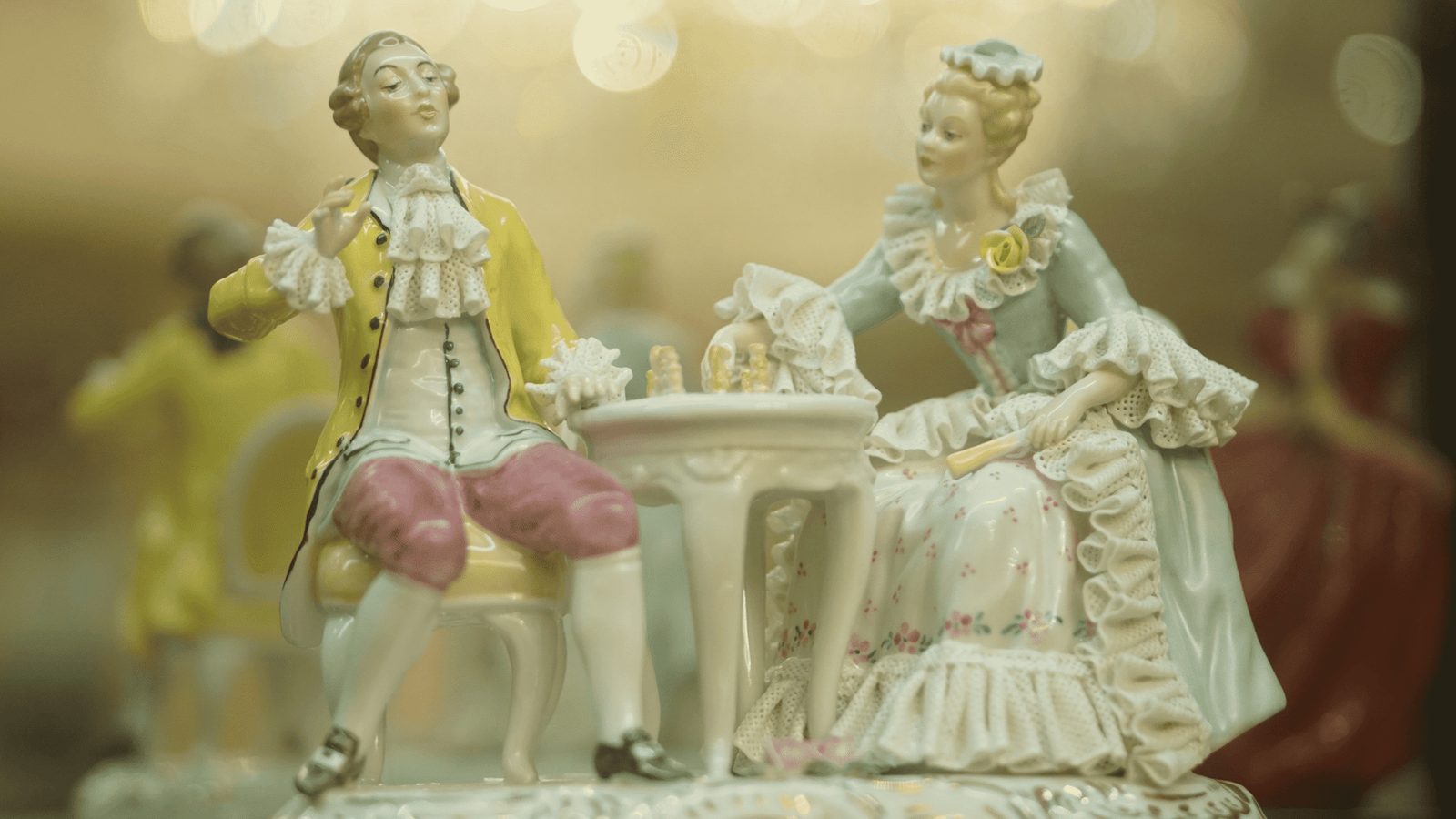
170929010308
First Date – Exciting!
Looks like nothing has changed since.
2017
Inkjet print on fineart canvas.
UNIQUE 115cm X 200cm
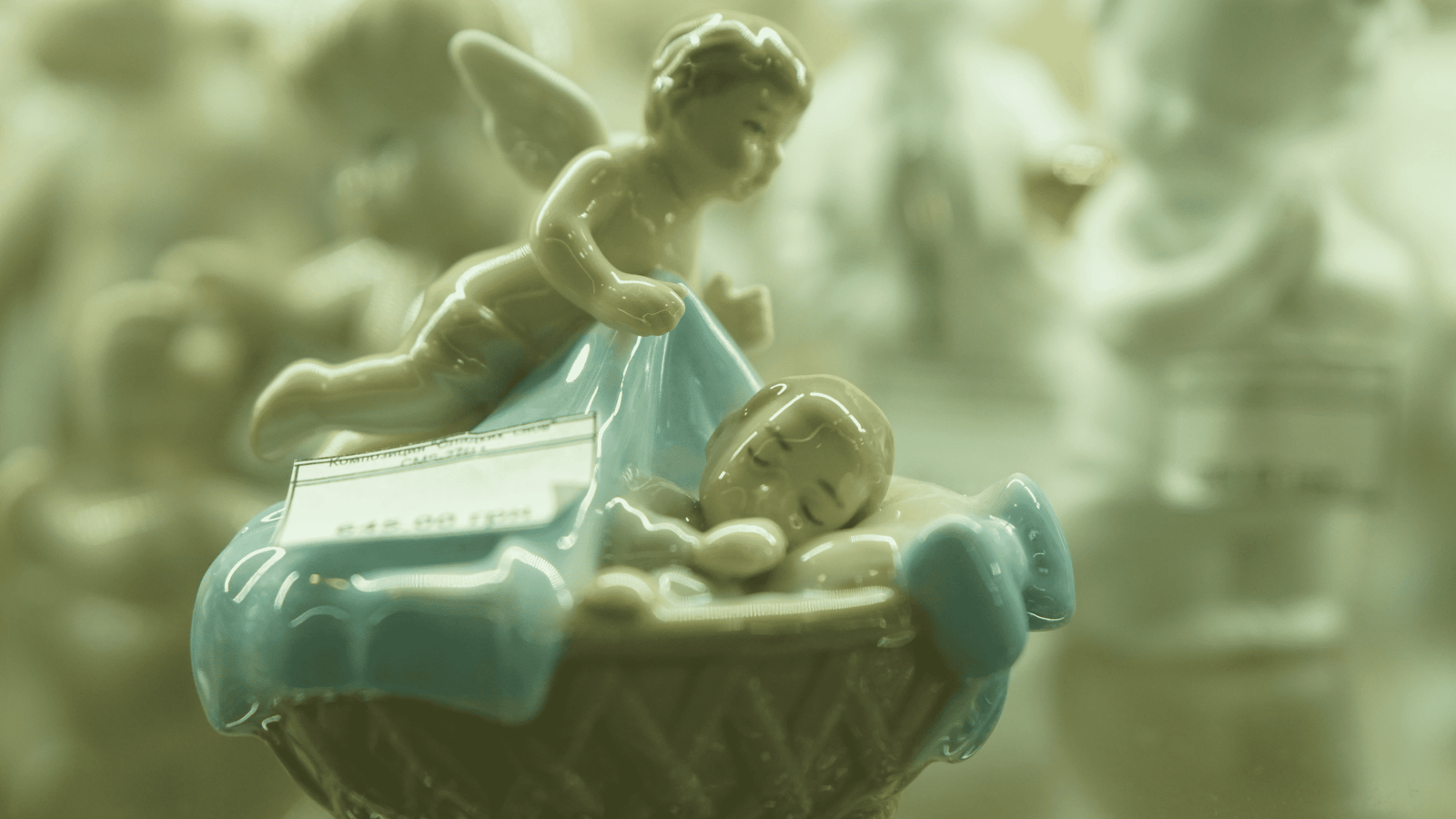
170929010475
Twinkle,Twinkle Little Star
2017
Inkjet print on fineart canvas.
UNIQUE 115cm X 200cm
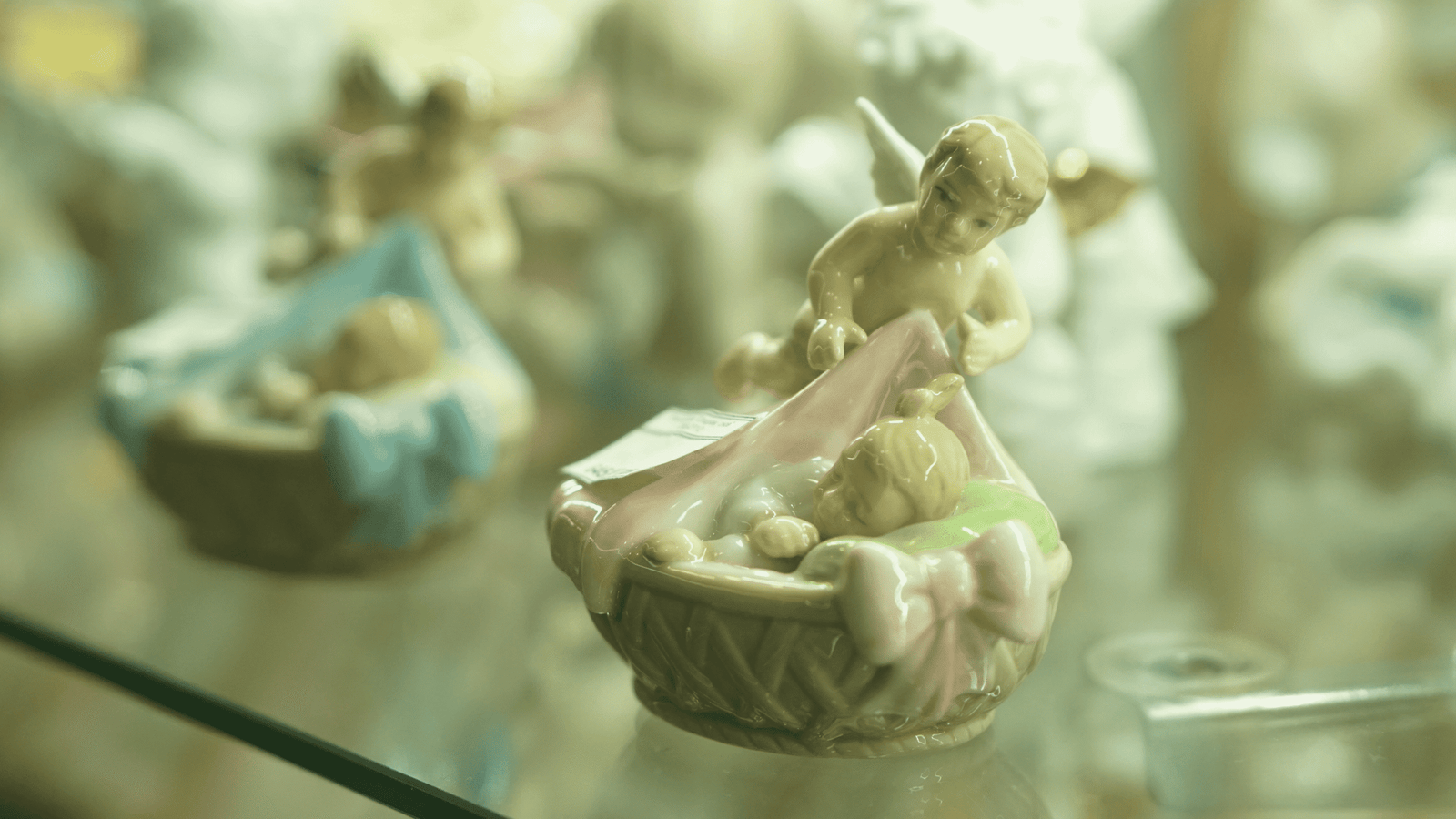
170929010479
You Are My Sunshine!
2017
Inkjet print on fineart canvas.
UNIQUE 115cm X 200cm
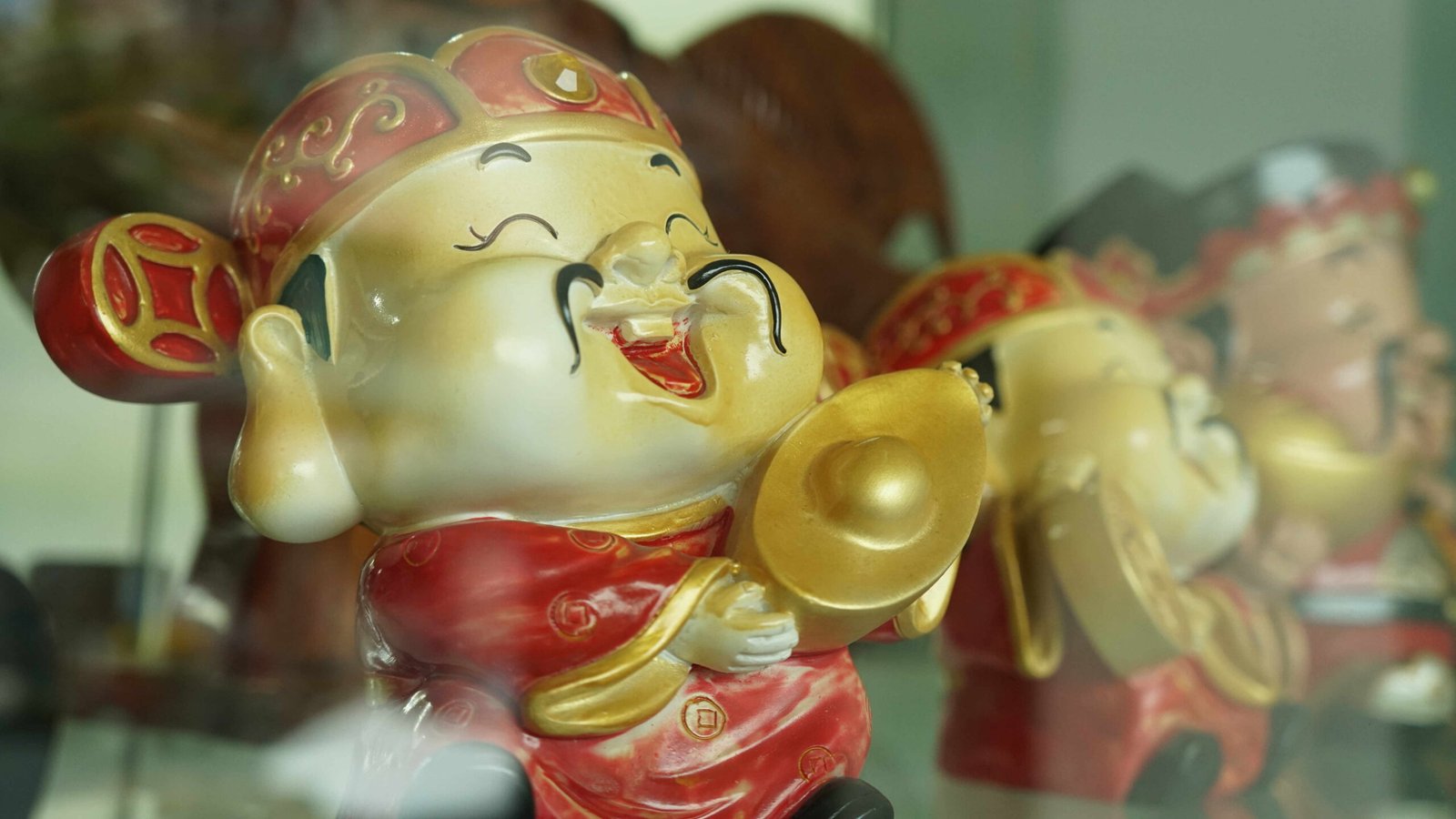
170929010479
Fortune Bringers
2017
Inkjet print on fineart canvas.
UNIQUE 115cm X 200cm
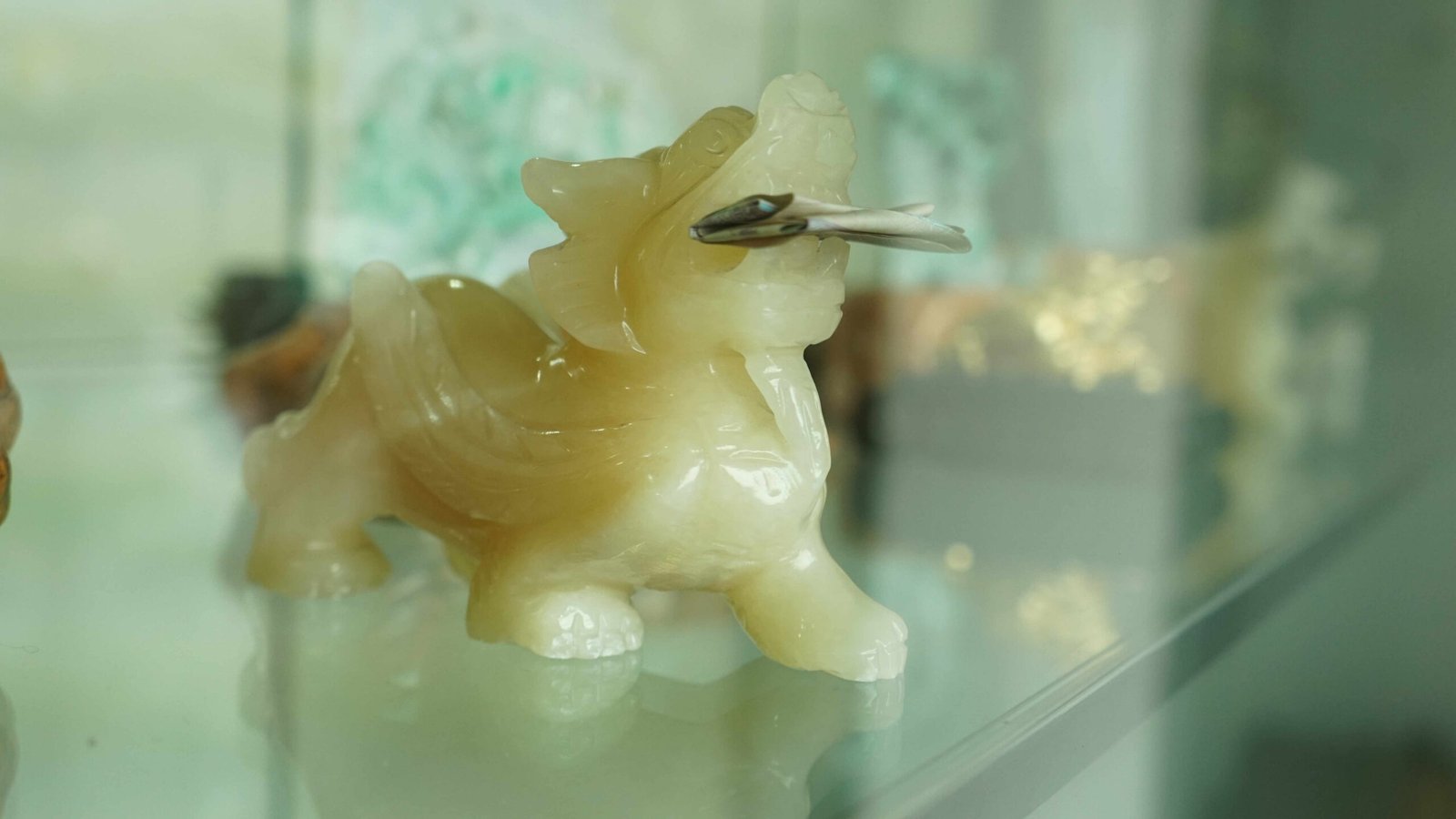
190209012134
Dragon Tales Of Fortune
2019
Inkjet print on fineart canvas.
UNIQUE 115cm X 200cm
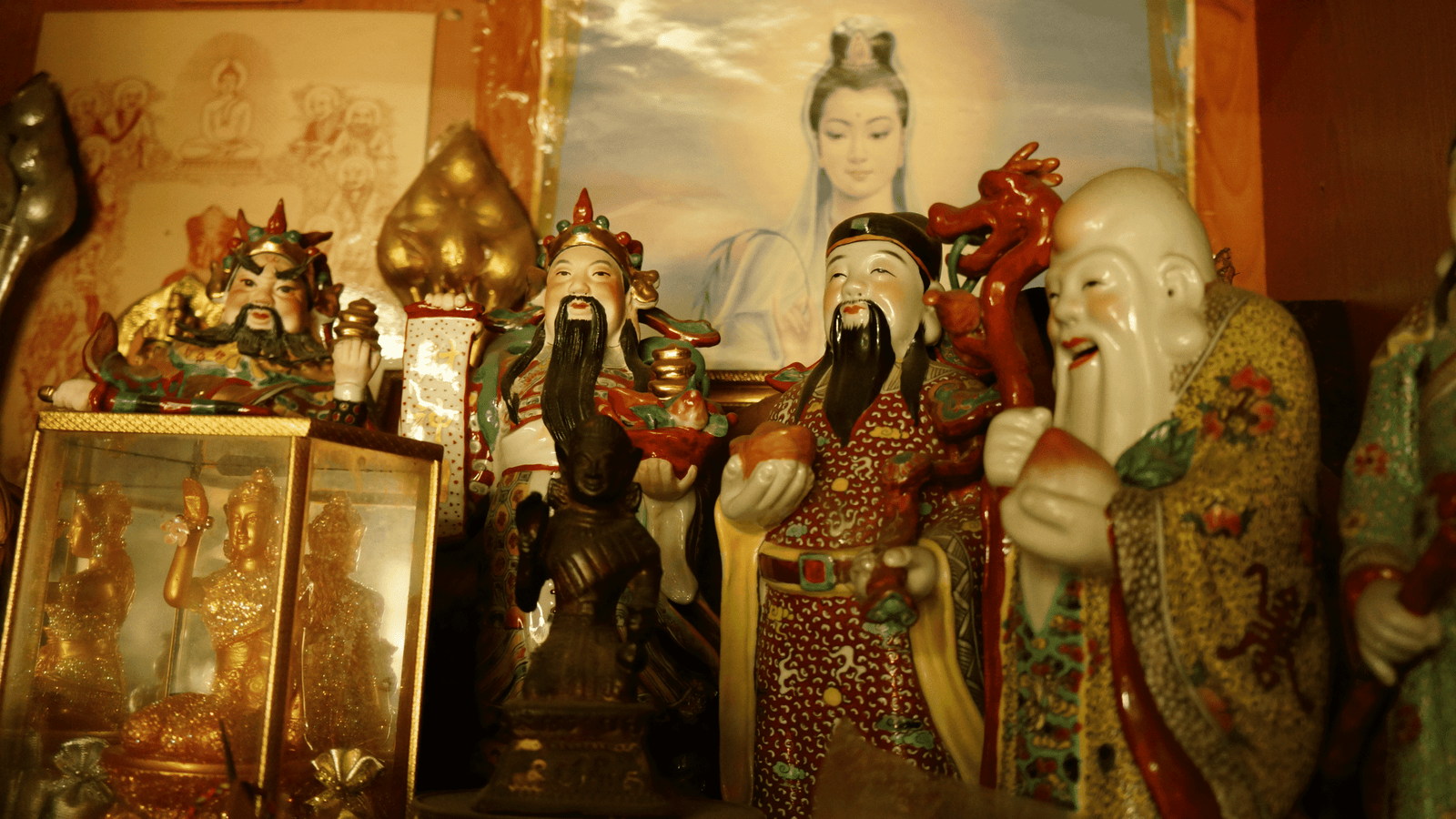
170325010610
A Thai Shaman’s Collection
2017
Inkjet print on fineart canvas.
UNIQUE 115cm X 200cm
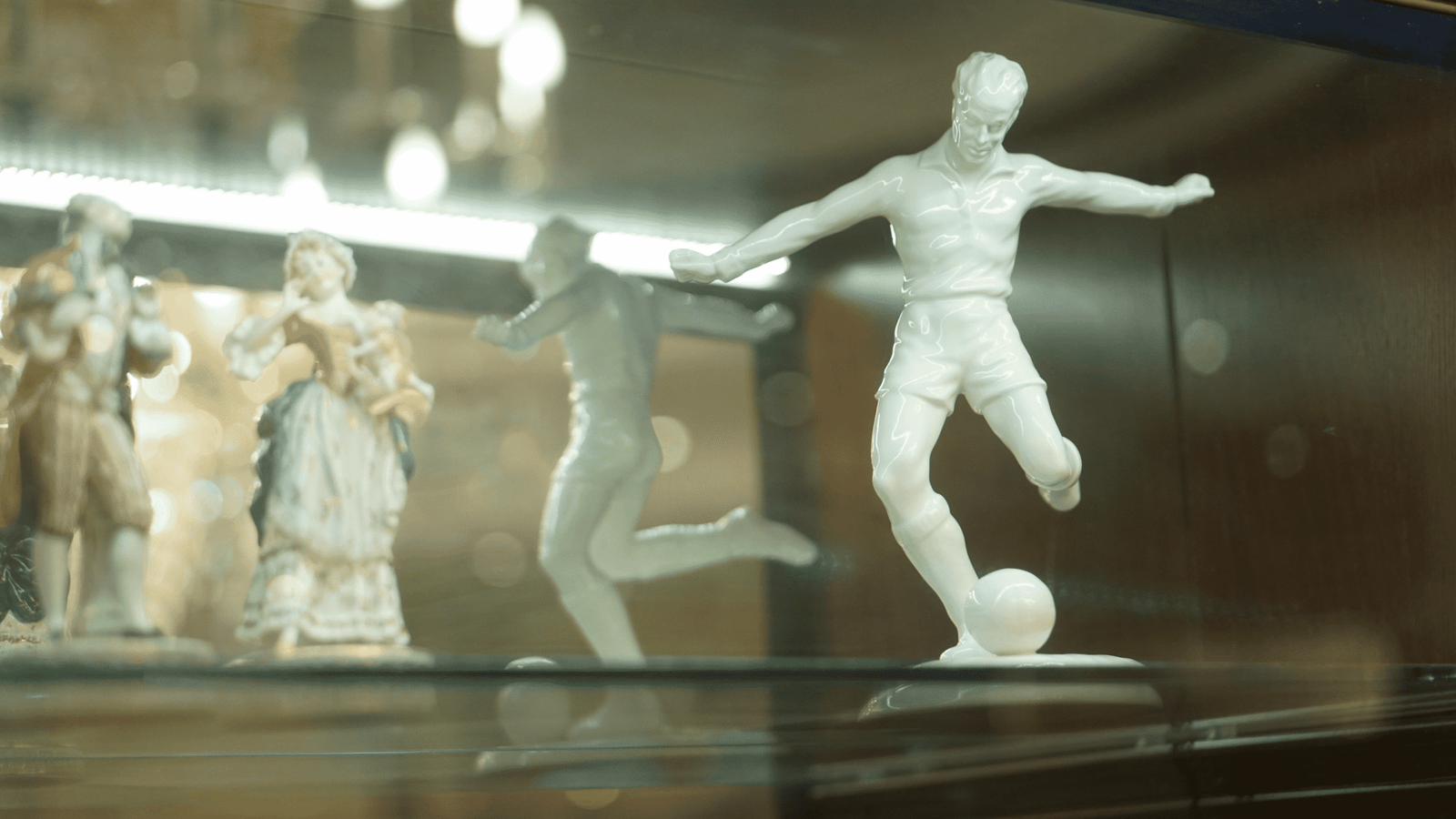
170929010337
He Loves Football,
She Loves Romance.
2017
Inkjet print on fineart canvas.
UNIQUE 115cm X 200cm
COLLECTORS ANCHOR
COLLECTORS
COLLECTOR’S PAGE
Itsa Bertsy has spent over 40 years turning narratives into powerful images that pull viewers into another world. His visual art doesn’t just capture moments—it creates connections, sparking deeper conversations. In a time when all eyes turn towards AI, real photography still remains essential, especially when a concept demands to be grounded in reality. Wally’s work thrives at the crossroads of the real and the symbolic, using a camera, instead of brushes or prompts, to capture raw authenticity and create worlds that feel both immediate and meaningful.
As Joseph Campbell put it, “Every generation must create its own mythology, its own symbols.”Itsa Bertsy’s work is a testament to that—
creating new symbols, grounded in our real world, that will resonate with both today’s audience and future generations.
Collector’s interested in aquiring please get in contact via your specific work’s “aquire”button.
Collector’s interested in buying Limited Editions please get to the shop, or get in contact via the “aquire”button.
soon more…
soon more…
soon more…
GALLERISTS ANCHOR
GALLERIST
GALLERIST’S PAGE
If you’re a gallerist in a region in which Itsa Bertsy is not yet represented, consider this an invitation to reach out.
Let’s explore whether we’re a good fit and discuss how we can together introduce fresh, relevant discourse to your region’s art community.
soon more….
soon more….
soon more….
NEWS ANCHOR
NEWS
Itsa Bertsy appreciates when journalists connect with his work.
When they write about it, the ideas travel further.
If even one open-minded person starts to see things differently, the work has done its job.
Artists and journalists share the same goal: making people aware.
“Wally is a visual powerhouse whose position contributes contemporary relevance to the art canon.
For over 40 years, he has crafted striking visual narratives for the world’s top brands,
turning commercials and campaigns into cinematic experiences that border on art.
Today,, he brings that same mastery to his fine art, creating images that feel real, immersive, and symbolically rich.
“His Name Speaks Volumes: Wally A’Power—Art That Powers the Walls, Moments That Power Our Minds.”
EXHIBITIONS:
- TRANSFORMATION – Sam & Ross Gallery Londion Hamburg. Groupshow Winter 2026
- GIFT OF LIGHT – Sam & Ross Gallery Londion Hamburg. Groupshow Winter 2025
soon more….
soon more…
soon more…
>>>THANKS FOR YOUR VISIT<<<
BAD IDEA TO SOON COME AGAIN,
OR TO RECOMMEND THIS PAGE TO A FRIEND?
Copyright Wally A’Power represented by J. Berc